#3 Bicycle Touring in Europe – 2,640 km
My third bicycle tour in Europe was unlike the others I had taken before. This time, the journey wasn’t about pushing through thousands of kilometers every day, but about discovering the Mediterranean in a different rhythm—cycling across islands, boarding ferries for long sea crossings, and enjoying the freedom of mixing two ways of travel: pedaling and sailing.
Starting from Milan, I rode to Genoa and from there began island-hopping: Corsica with its rugged mountains and beaches, Sardinia with turquoise seas and wild landscapes, and Sicily, Italy’s largest island, rich in culture and history.
A ferry across the Strait of Messina brought me to Calabria, where I discovered unspoiled coasts and the Sila mountains, before continuing into Puglia along the ancient Roman road, the Via Appia.
From Brindisi, a 17-hour crossing took me to Patras, Greece. I cycled to Athens, then explored the islands of Paros and Santorini, before returning to Patras and sailing across the Adriatic to Trieste. The final stretch brought me north through Venice, Verona, and Sirmione, back to Milan.
This journey wasn’t about speed but about contrasts cycling ancient roads, sailing long stretches of sea, and discovering the diverse cultures and landscapes of the Mediterranean.
Route Details
n Departure & Arrival: Milan, Italy
n Dates: September 10 – October 14
n Countries crossed: Italy, France, Greece
n Areas explored: Corsica, Sardinia, Sicily, Calabria (Sila mountains), Puglia, Greek mainland, Paros, Santorini, Adriatic Sea crossing to Trieste
n Main mountain pass: Genna Silvana Pass, Sardinia (1,100 m)
n Duration: 20 days
n Rest days: 0 (only ferry days counted as rest)
n Total distance: 2,640 km
n Map of all cycling tours in Europe: 🗺️
The Route: Islands and Seas
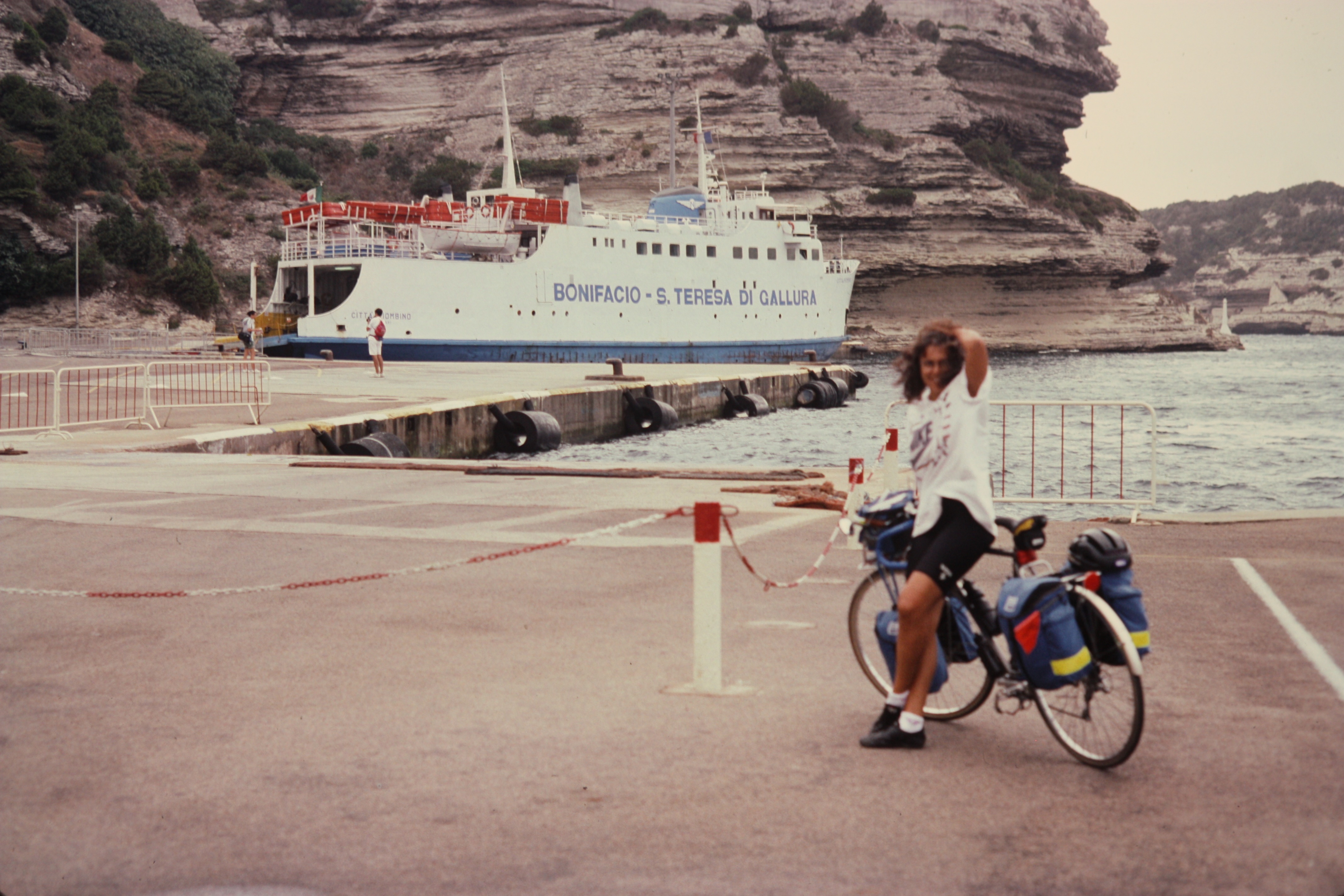
Corsica (France) My first stop was the rugged “Île de beauté,” birthplace of Napoleon Bonaparte. Known as “the mountain in the sea,” Corsica offers dramatic coastlines, high peaks, and untouched beaches. It was the perfect introduction to the journey.
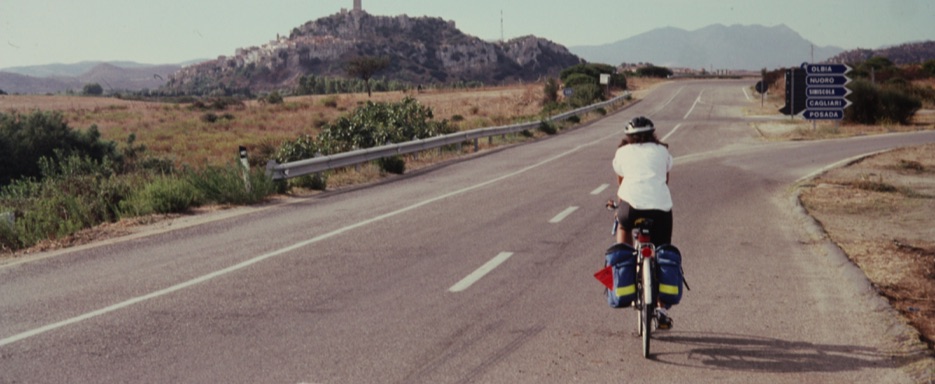
Sardinia (Italy) Next came Sardinia, famous for its turquoise waters and fascinating rock formations. Cycling here felt wild and authentic, surrounded by wildlife: wild boar, golden eagles, mouflon, and even herds of wild horses roaming the highlands. Crossing the Genna Silvana Pass (1,100 m) added a touch of mountain challenge to the trip.
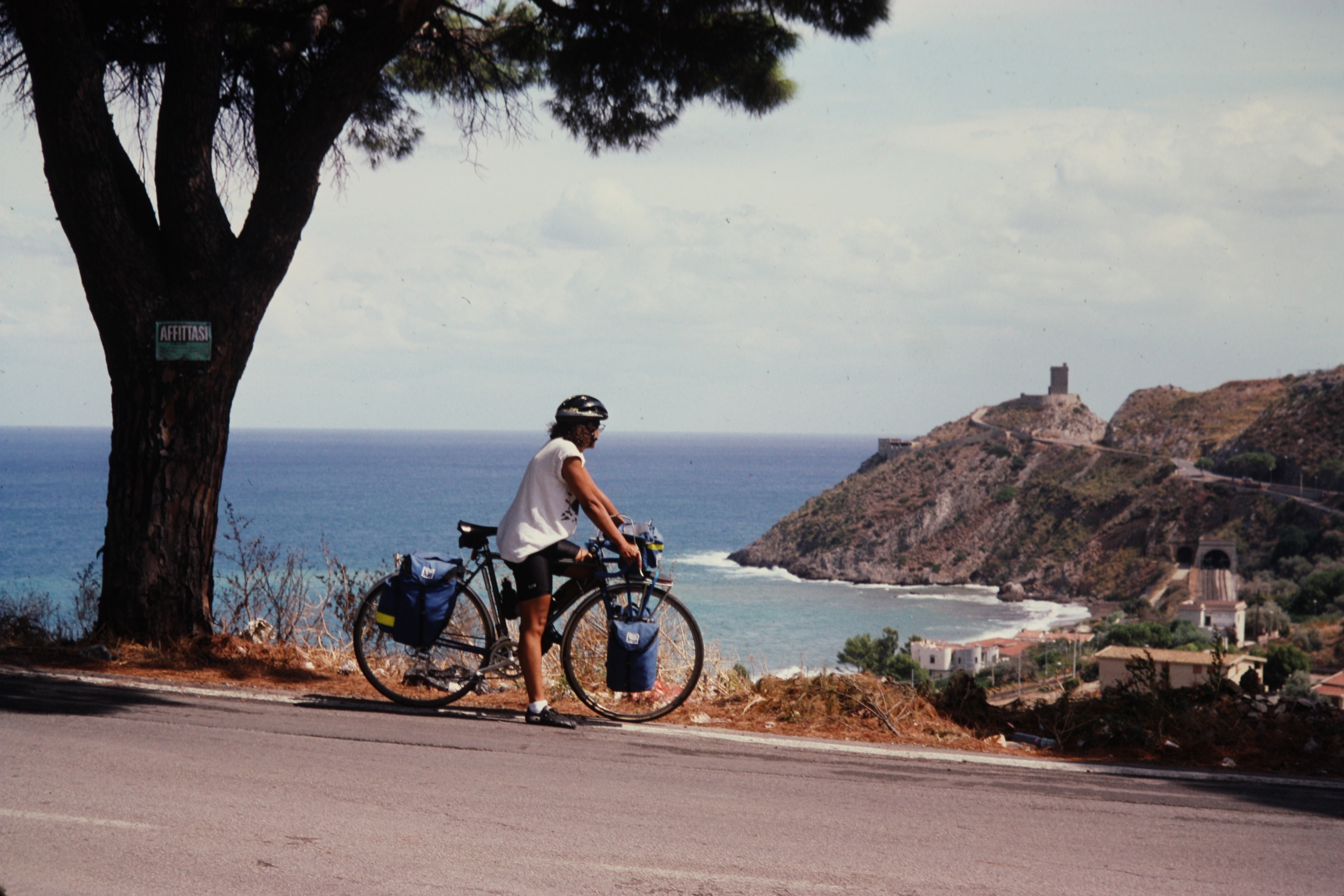
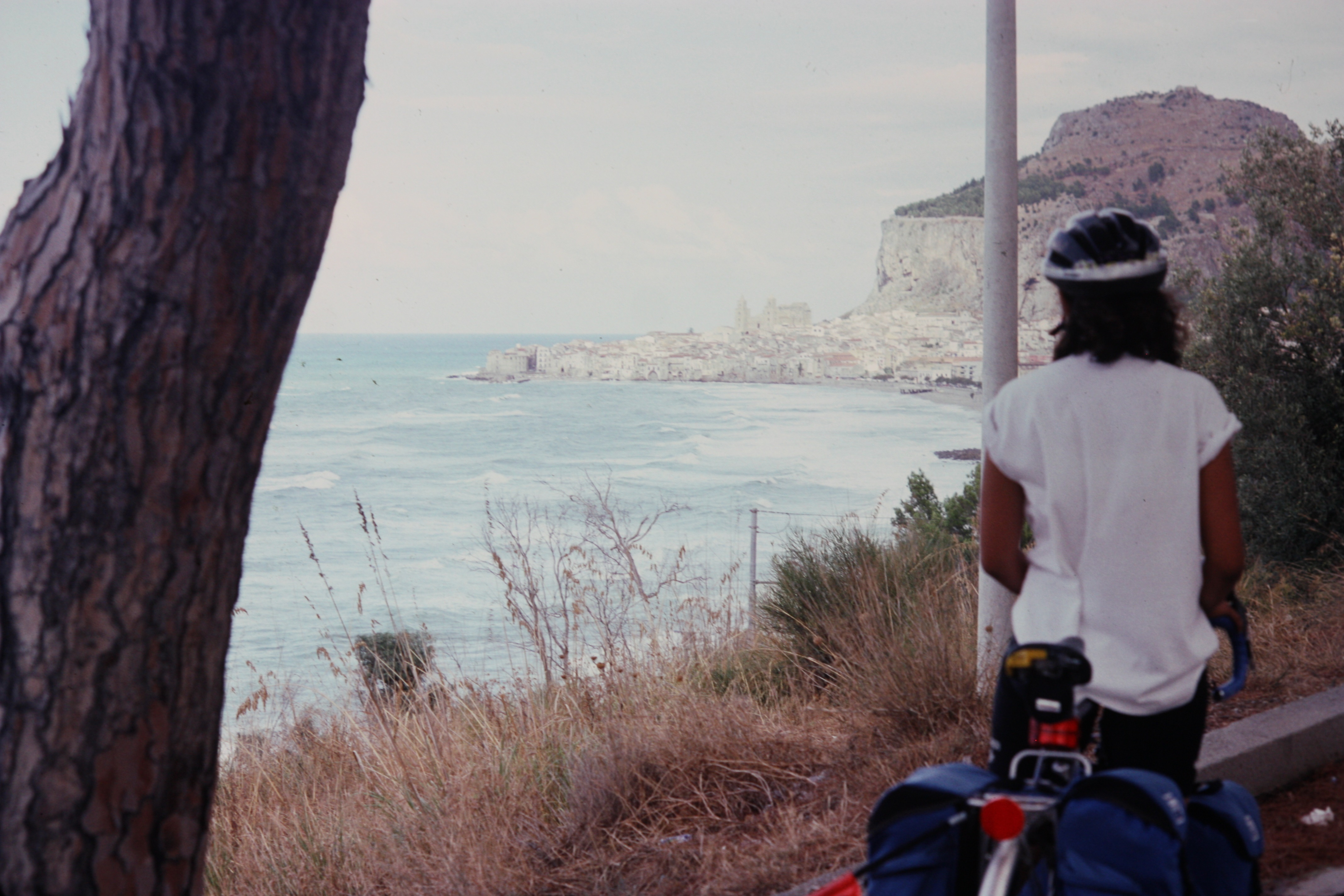
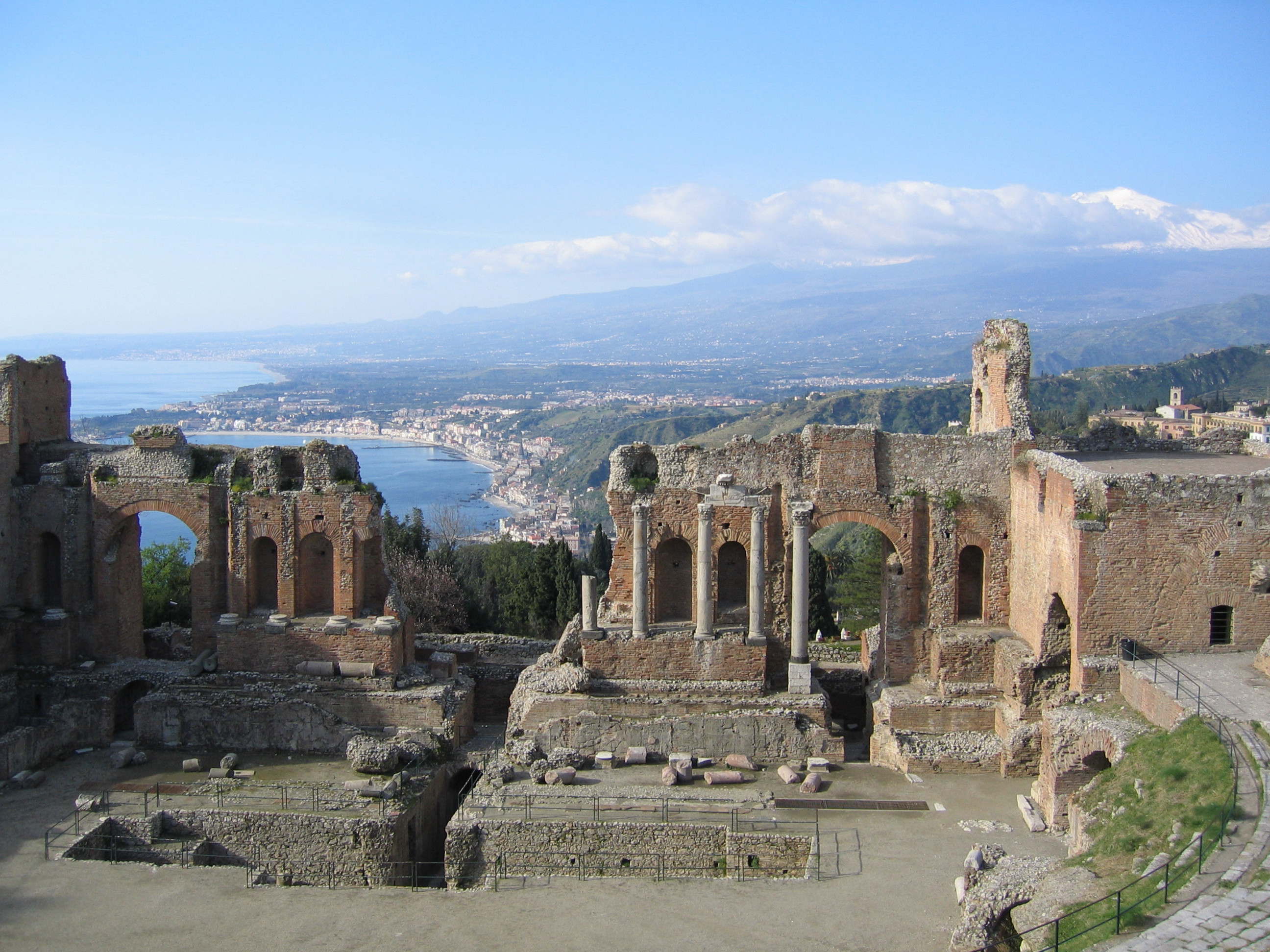
Sicily (Italy) Italy’s largest island, with its symbol Trinacria (three legs joined at the center), sits at the crossroads of the Mediterranean. Surrounded by the Tyrrhenian, Ionian, and Sicilian seas, it is a land rich in culture and history. From Sicily, I boarded another ferry across the Strait of Messina to Calabria.
Calabria (Italy) Less known to tourists but strikingly beautiful, Calabria offered peaceful coastlines and the wild charm of the Sila National Park. Riding here felt like exploring a secret corner of Italy.
Puglia (Italy) From Taranto to Brindisi, I followed the ancient Via Appia—the “Queen of Roads,” built in 312 B.C. by the Romans. This stretch, connecting the Ionian to the Adriatic, felt like cycling through history itself.
From Brindisi, I boarded a 17-hour ferry that carried me across the Adriatic to Patras, Greece.
Greece and the Islands
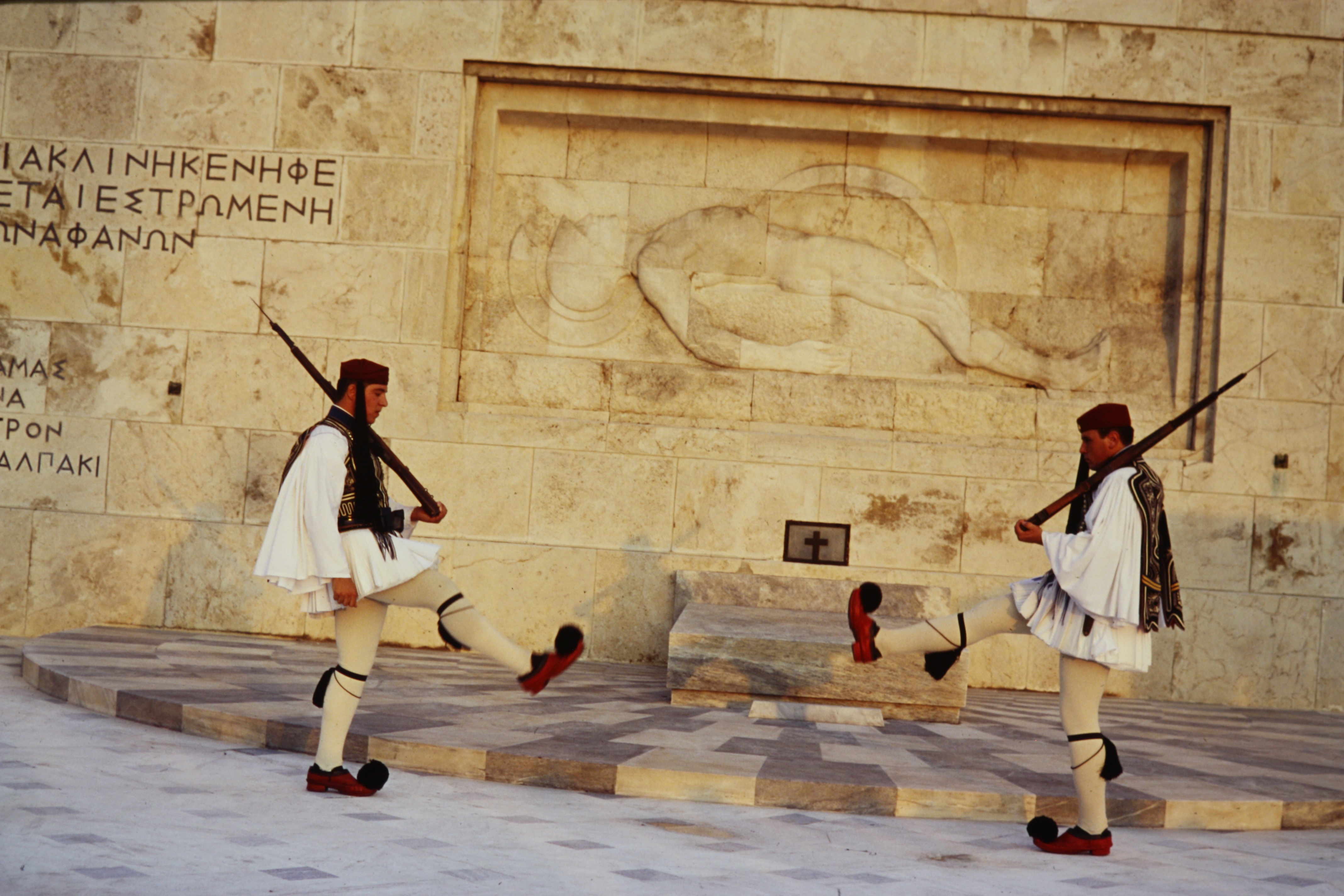
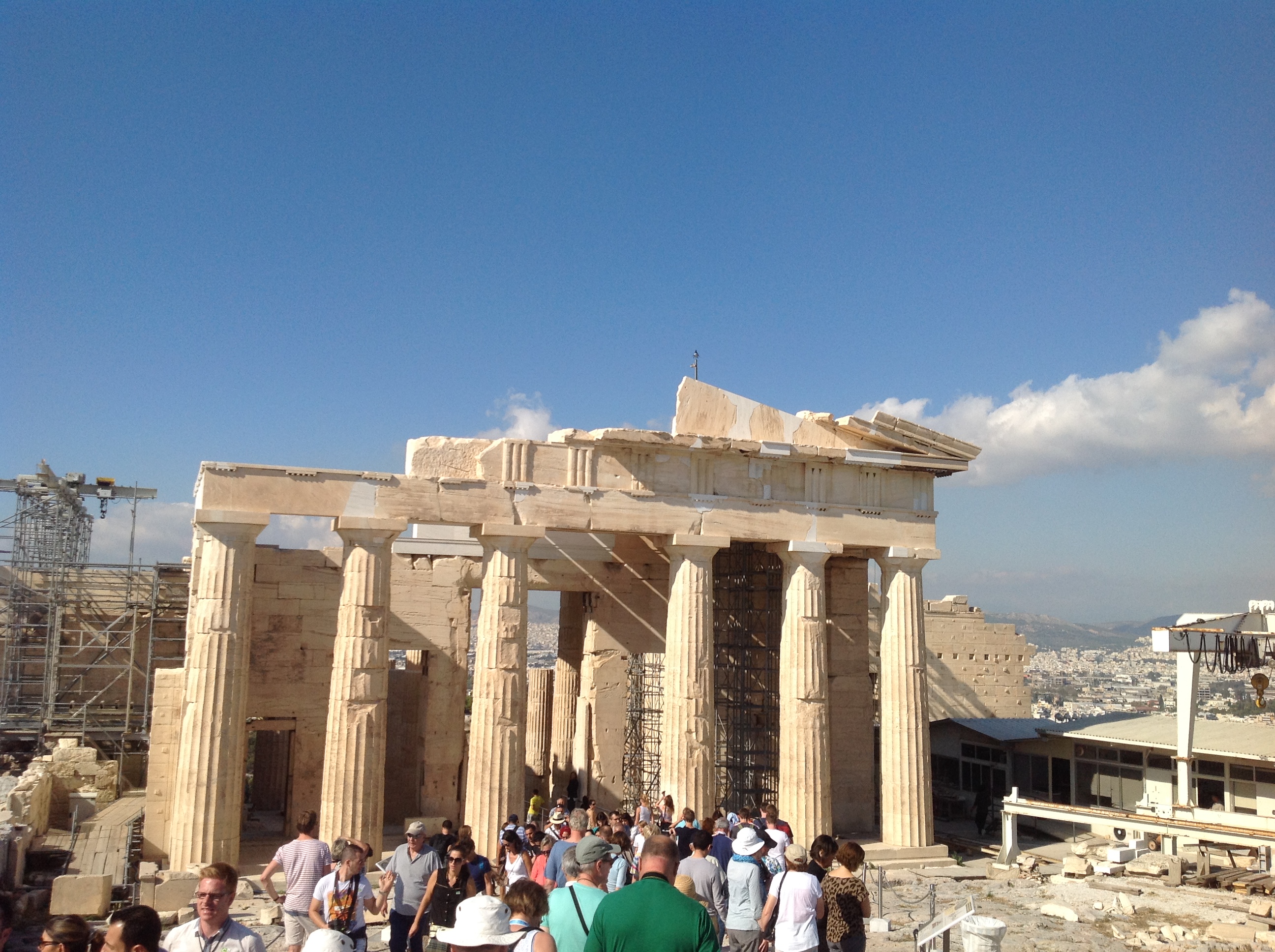
From Patras I cycled along the coast to Athens, where the ancient and the modern coexist at every turn. The Acropolis watched over the city as I pedaled its lively streets.
From Athens, ferries took me further into the Aegean:
Paros – An island of whitewashed villages, narrow lanes, and golden beaches.
Santorini – Famous for its cliffs, blue-domed churches, and sunsets that leave you speechless.
After exploring the Cyclades, I returned to Athens, then traveled by train back to Patras. From there, one final long sea crossing brought me to Trieste, Italy, on the Adriatic.
The last leg of the journey was entirely on two wheels: cycling north through Venice, Verona, and Sirmione, before completing the circle back to Milan.
Reflections on a Different Kind of Journey
What set this tour apart was the balance between land and sea. It wasn’t a race to clock kilometers but a chance to experience a slower, richer rhythm cycling one day, sailing the next, watching new horizons appear over the water. Every ferry ride was like a moving balcony, offering changing panoramas of the Mediterranean.
Each region left its own imprint:
n The wild mountains of Corsica
n The turquoise coves of Sardinia
n The cultural depth of Sicily
n The unspoiled beauty of Calabria
n The Roman history of Puglia
n And the timeless landscapes of Greece
It was a tour of contrasts and discoveries, of ancient roads and modern ferries, of quiet coastal towns and bu