

Coast Mountain Cycle Tour Loop – British Columbia, Canada
The Coast Mountain Cycle Circle Tour starts in Vancouver, a multicultural, dynamic metropolis and bustling port city set within an extraordinary natural landscape. Framed by the peaks of the Coast Mountains and the sparkling waters of the Strait of Georgia, dotted with islands and inlets, Vancouver is a place where nature and urban architecture intertwine harmoniously.
The Strait of Georgia itself is a natural spectacle, with towering mountains, remote inlets, and vibrant islands, perfectly setting the stage for the cycling adventure along the Coast Mountain Circle Tour.
From the city, the tour winds through spectacular scenery along the Sea-to-Sky Corridor, following the rugged shores of Howe Sound and traversing pristine mountains, forests, and canyons. As you pass through Squamish, Whistler, and the inland valleys, traces of First Nations culture are visible everywhere: from historic riverfront sites to local traditions and artwork that tell centuries of life in these territories. Their heritage naturally blends with the landscape, enriching every kilometer ridden with meaning and history.
The route climbs through the misty coastal mountains before descending into the flat, dry highlands of the province. Passing through the historic Gold Rush Country, the tour follows the paths of the gold prospectors along the Thompson and Fraser Rivers, navigating dramatic canyons and landscapes steeped in centuries of adventure and history.
Beyond the well-known towns, the tour ventures into remote, arid regions, where the scenery takes on an almost desert-like feel and wildlife thrives: deer, eagles, beavers, and, with a little luck, black bears. Here, nature is untouched, quiet, and powerful, and every kilometer cycled brings the feeling of being immersed in the wild heart of British Columbia.
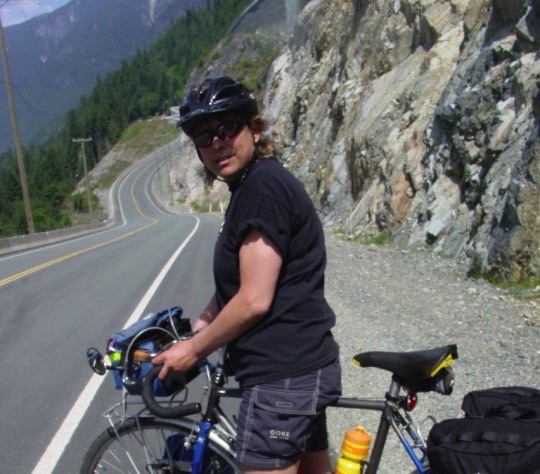
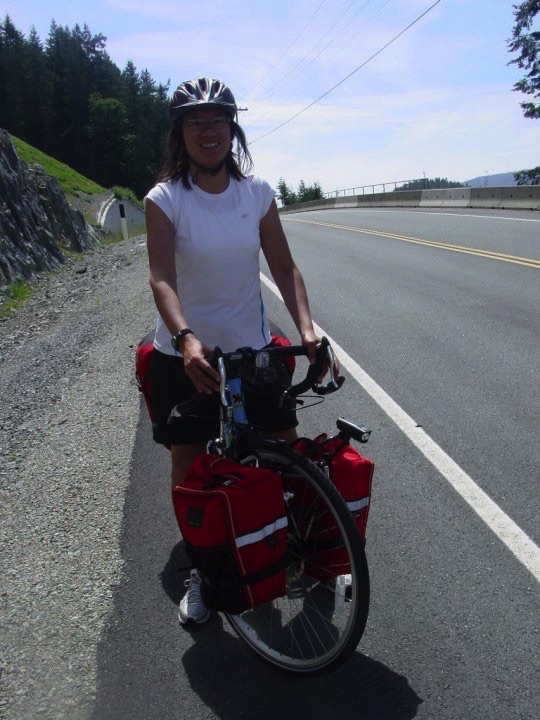
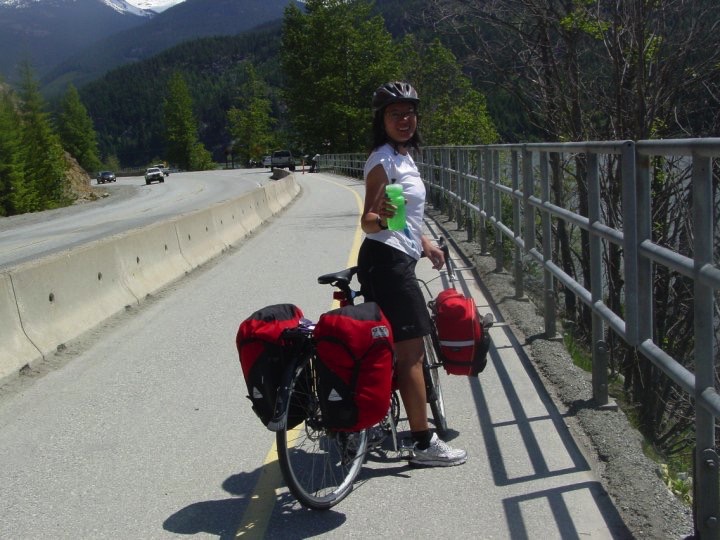
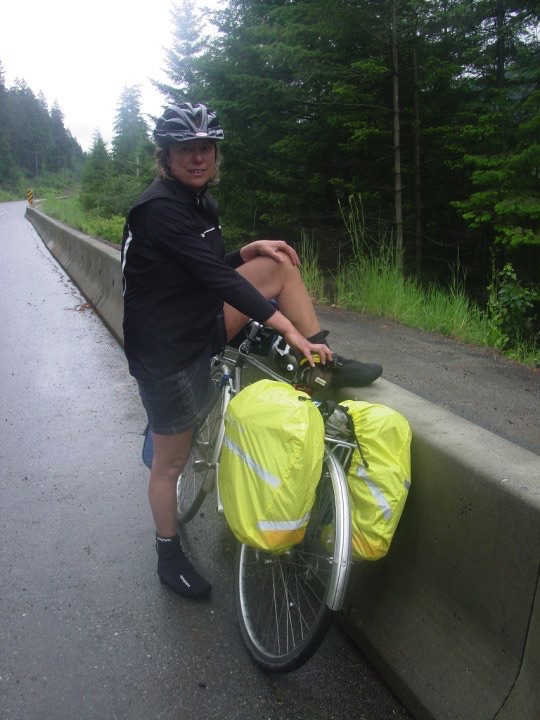
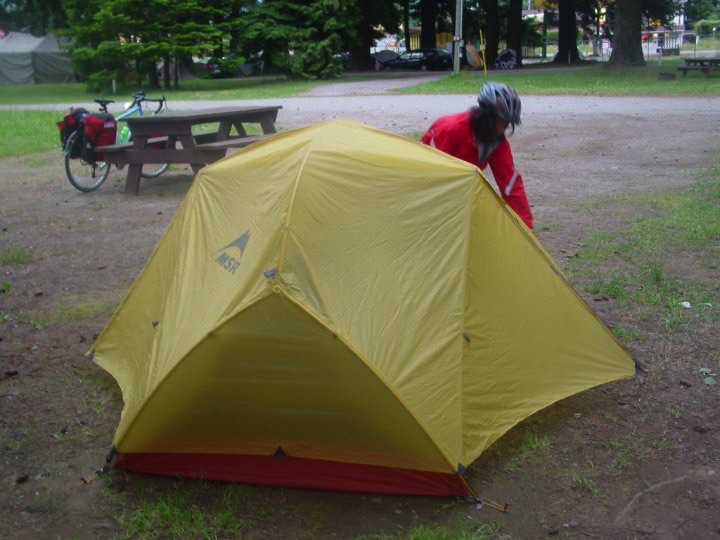
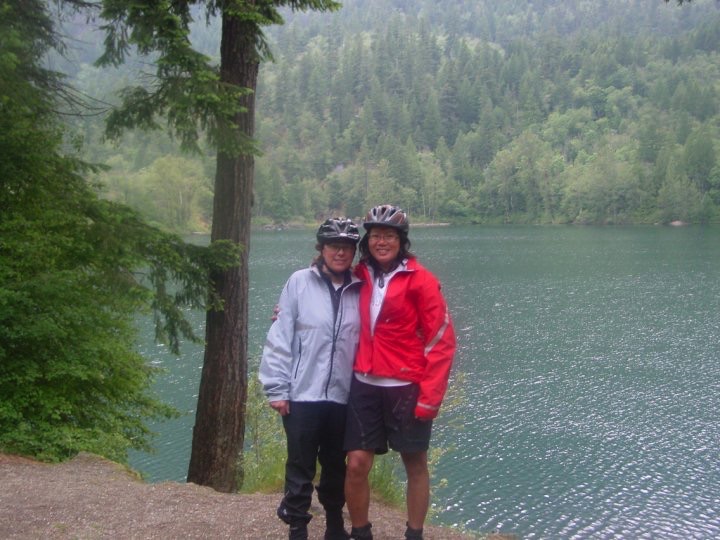
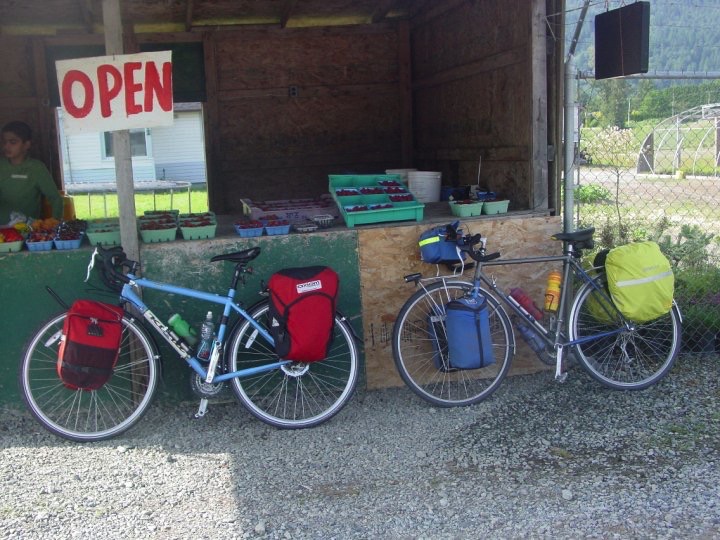
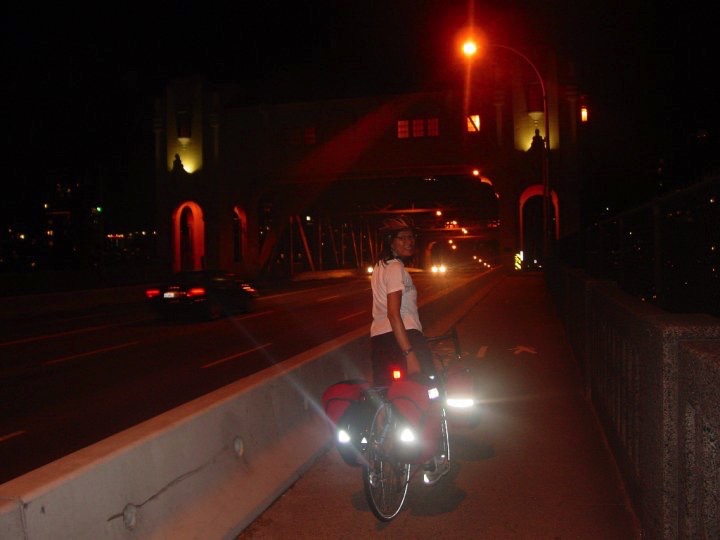
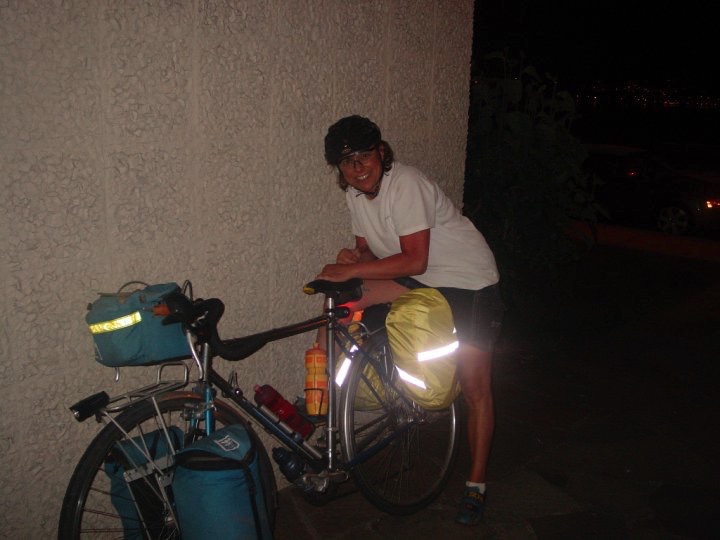
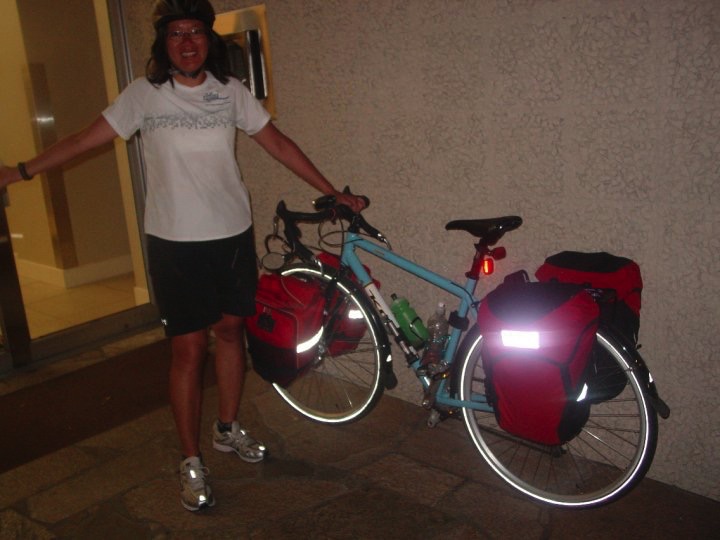
This cycling adventure was completely self-guided, with endless horizons pushing us forward with every pedal stroke. I shared the journey with a friend on her first-ever cycling tour, eager to discover this slow, essential, and immersive way of traveling.
Together, we tackled the climbs, celebrated the descents, and discovered wonders revealed kilometer after kilometer. The road, more than just a line on a map, became our guide, accompanied by respect for the history and culture of the First Nations who have lived in these lands for millennia.
The Route: Nature and History in a Single Loop
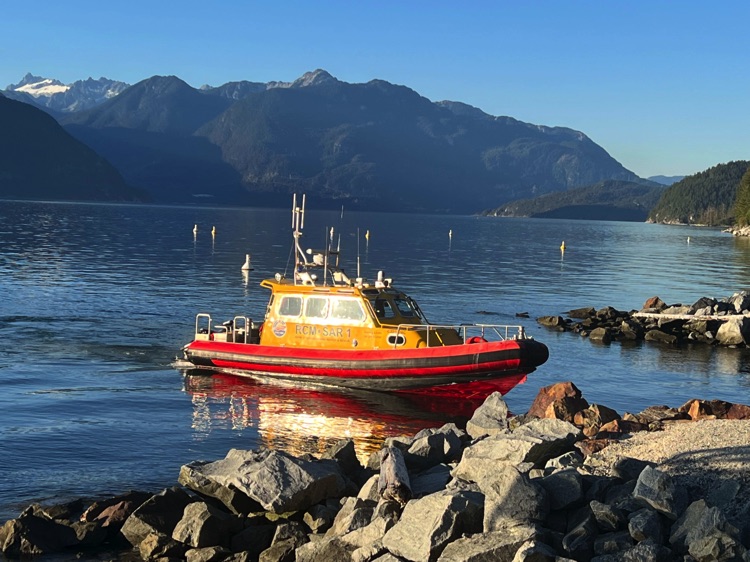
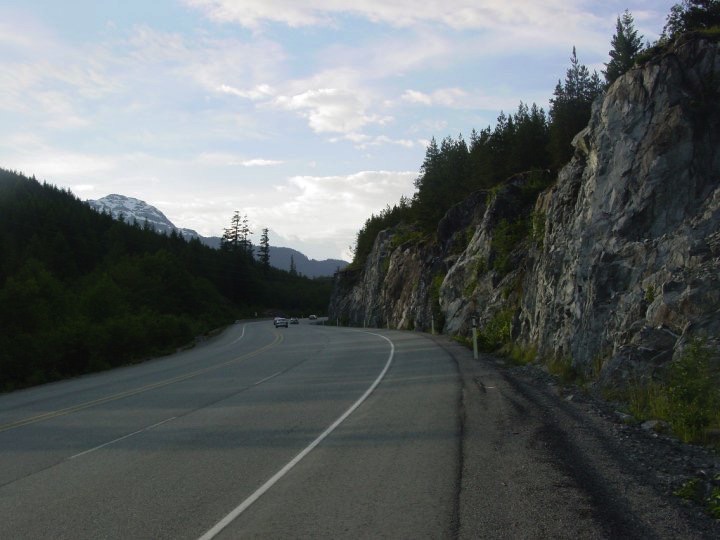
Starting from Vancouver, the route heads north along the spectacular shores of Howe Sound, following the scenic Sea-to-Sky Corridor. The road winds past cliffs, fjords, and dense forests, offering breathtaking views at every turn. Amid the scent of conifer resin and the reflection of mountains on the sparkling waters of the sound, the landscape constantly changes, revealing unique panoramas.
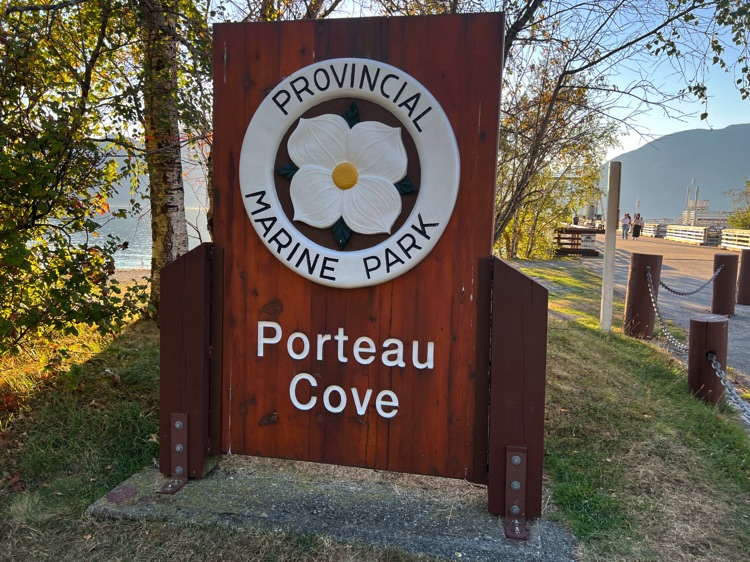
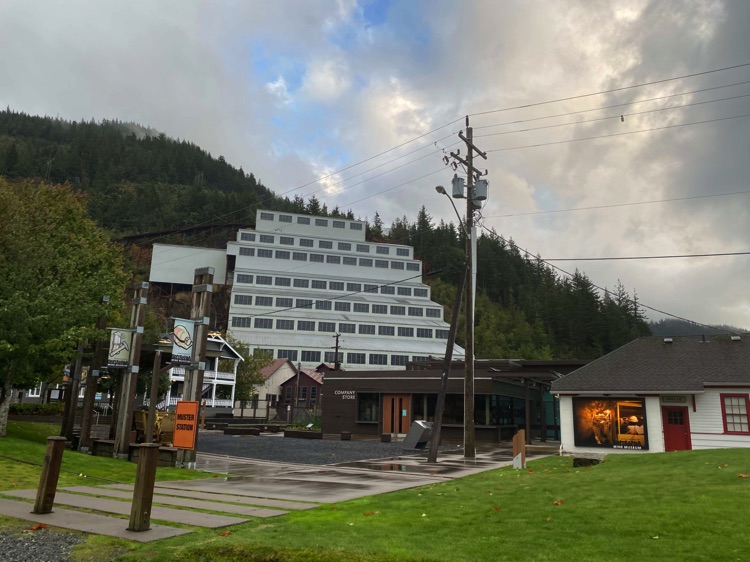
Early stops include Porteau Cove Provincial Park and the Britannia Mine Museum, offering an intriguing contrast between nature and history. The former copper mine, now a National Historic Site, tells the story of the region’s mining past and welcomes curious visitors with exhibitions and vintage artifacts.
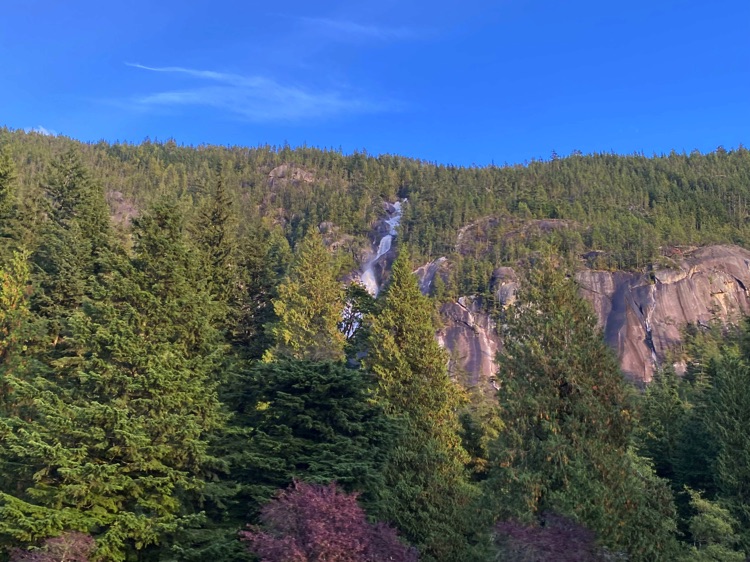
Just a little further along, Shannon Falls, plunging 335 meters (1,105 feet) into the valley, provide a dramatic natural spectacle that captures the attention of cyclists and invites a brief pause.
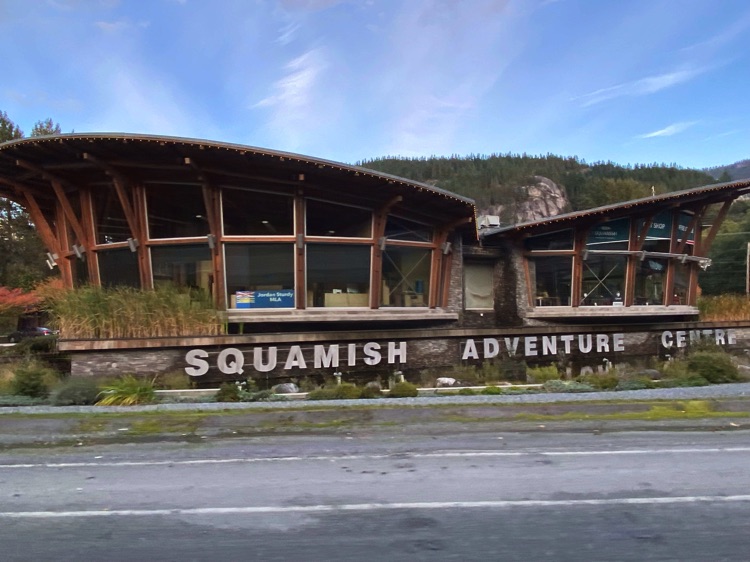
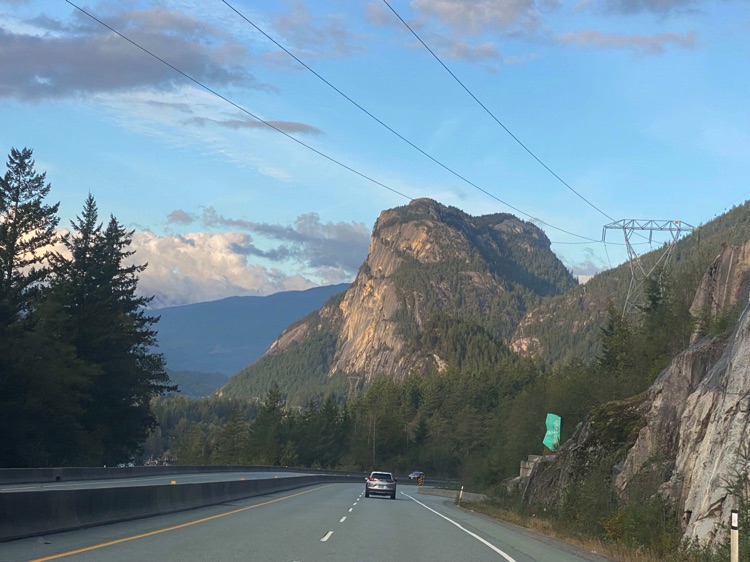
Among the main highlights, Squamish stands out as Canada’s Outdoor Recreation Capital. The massive granite peaks of the Stawamus Chief dominate the valley, while small villages and trails through the hills tell tales of adventure and pristine nature. Along the entire route, it’s possible to spot deer, eagles, and, with a bit of luck, other local wildlife, while the roar of waterfalls and the ever-changing light on the mountains complete an unforgettable and immersive experience.
Route Information
• Start / Finish:Vancouver, British Columbia, Canada
• Type: Clockwise loop
• Distance & Duration:: ~630 km over 5 days
• Recommended Season: da tarda primavera a inizio autunno
• Regions Covered:
• Greater Vancouver – start and finish point, a metropolis with mountain and sea views
• Howe Sound / Sea-to-Sky Corridor – rugged coastlines, fjords, forests, and glacial mountains
• Squamish an outdoor paradise for climbing, hiking, and windsurfing
• Whistler – internationally renowned alpine resort with summer trails and pistes
• Pemberton Valley – fertile plains framed by snow-capped peaks and wide-open landscapes
• Lillooet: - historic Gold Rush territory with semi-arid landscapes and spectacular canyons
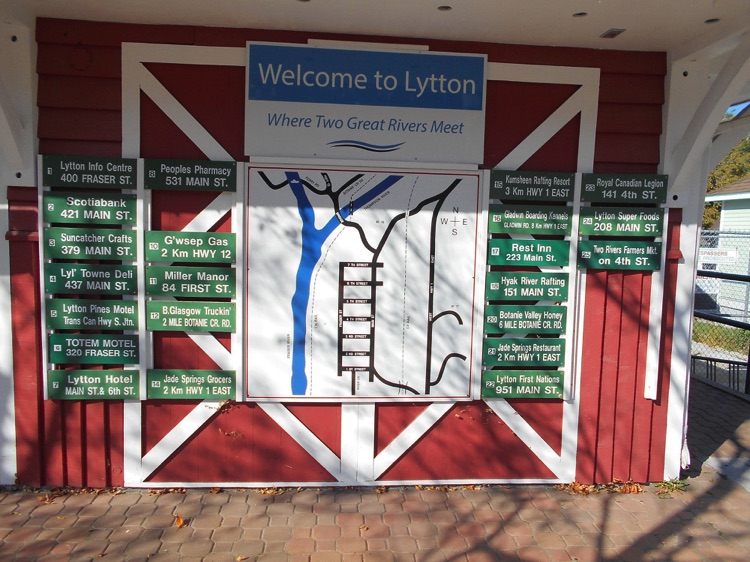
• Lytton / Fraser Canyon – confluence of the Thompson and Fraser Rivers, rapids, gorges, and Nlaka’pamux cultural heritage
• Hope & Fraser Valley: – lush valleys, forests, rivers, and farmland, leading back to Vancouver
• Tour Map 📍: Map coming soon
• Blog 📍: Check the blog for route details, stories, and photos
Climbing Towards the Peaks: Whistler and Pemberton
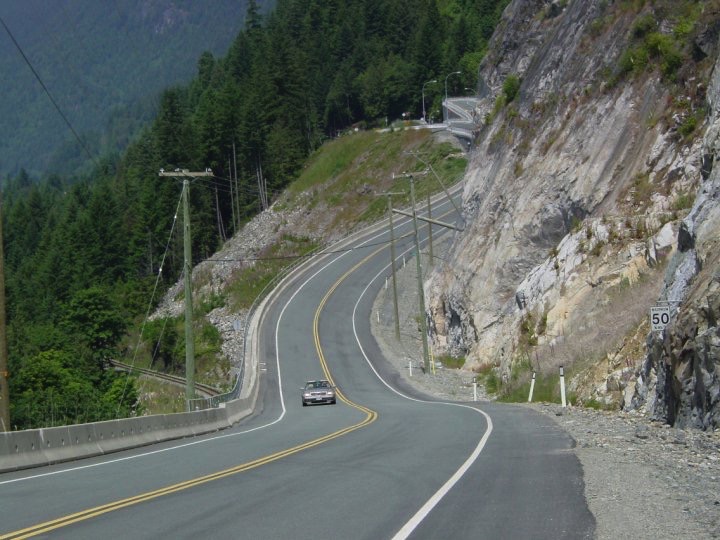
Leaving Squamish behind, the road begins a gentle ascent along the Sea-to-Sky Corridor, winding through conifer forests and crystal-clear streams. Each pedal stroke is accompanied by the scent of resin, the murmur of water, and sunlight filtering through the trees, as the mountains gradually grow more imposing.
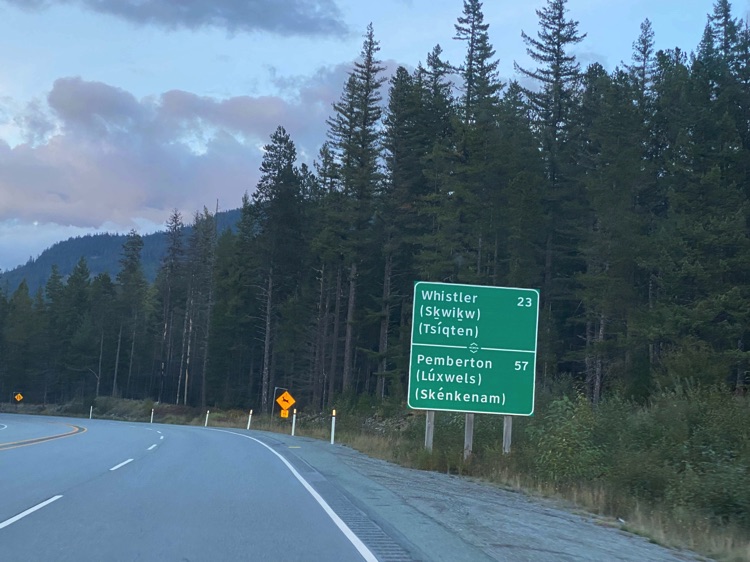
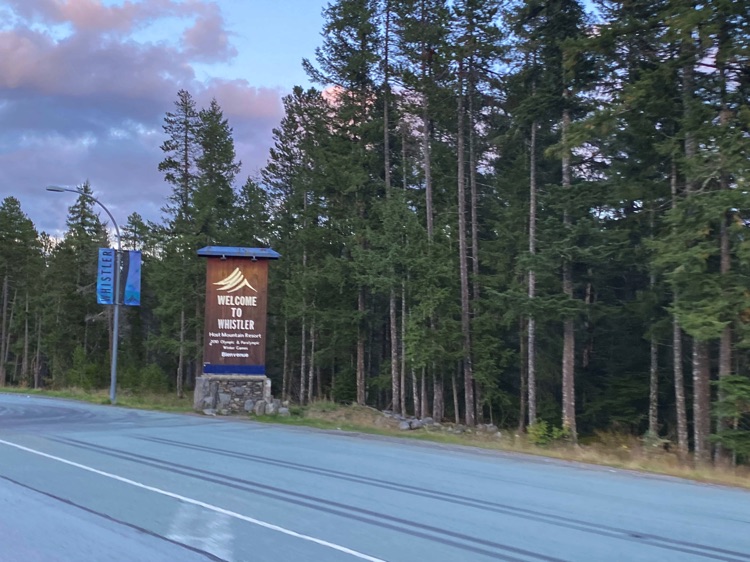
Whistler appears as a natural crossroads between glacial peaks and valleys sculpted by ice. Famous worldwide for its ski resorts, in summer the village transforms into an open-air alpine park: hiking trails, mountain bike routes, rafting, and climbing coexist with boutiques, restaurants, and alpine-style architecture, creating a perfect balance between international tourism and a genuine mountain atmosphere.
Beyond Whistler, the road continues to climb steadily, a smooth ascent that leads out of the denser alpine environment. The forests thin, the air turns fresher, and the view opens up to vast, luminous horizons.
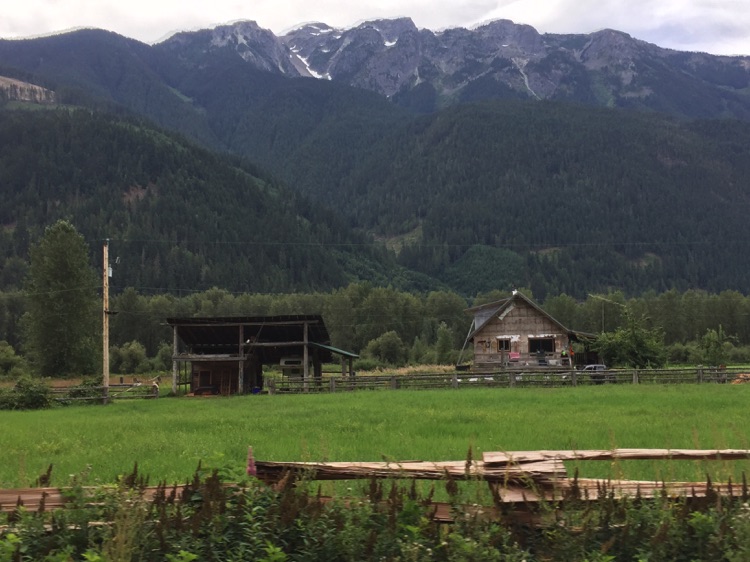
Having reached the highest point, the effort is rewarded with a long panoramic descent into Pemberton Valley, a wide agricultural plain framed by the Coast Mountains and dominated by the imposing Mount Currie.
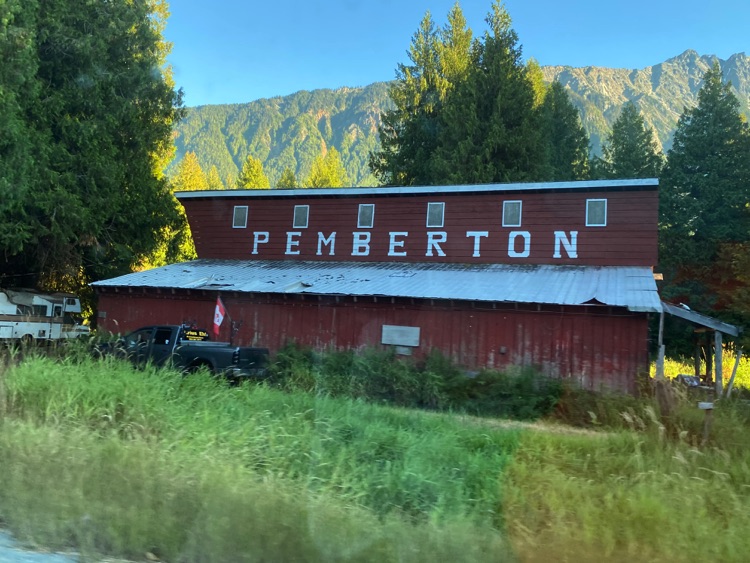
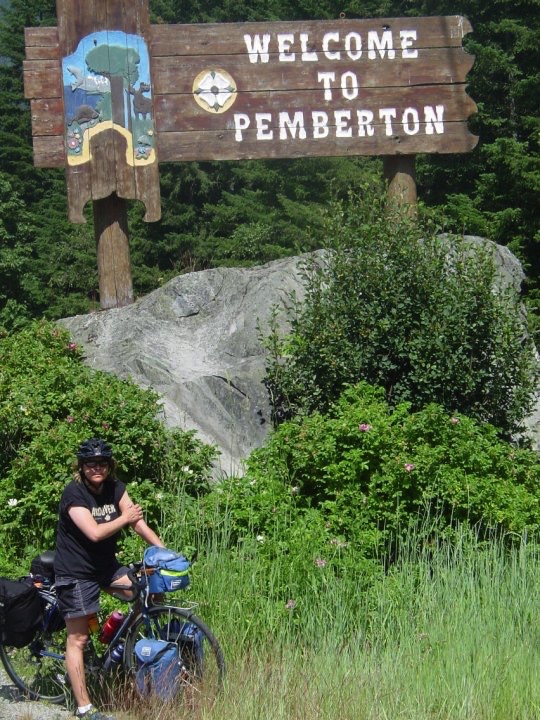
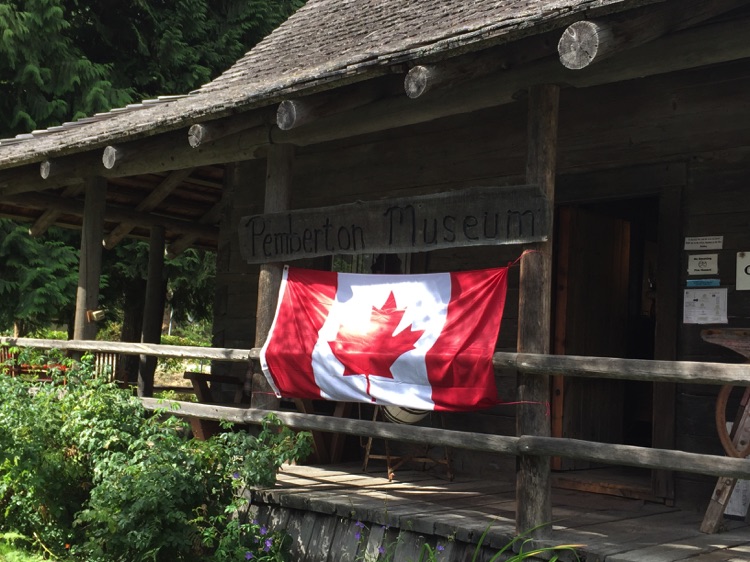
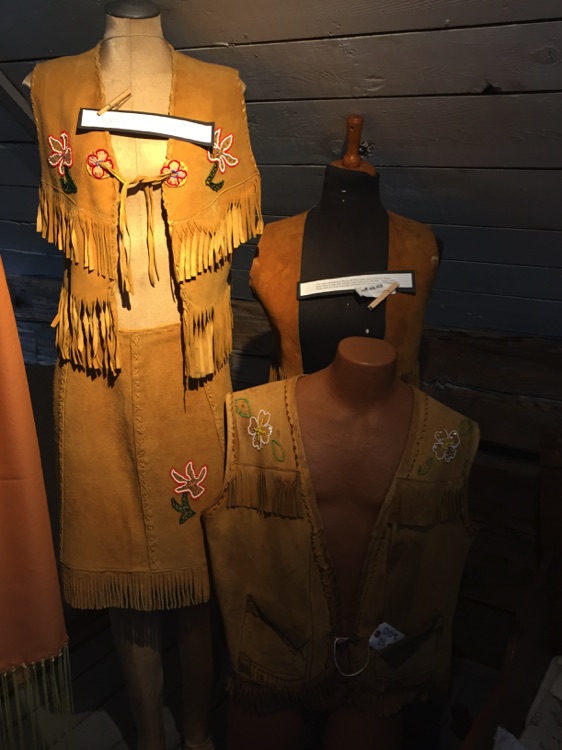
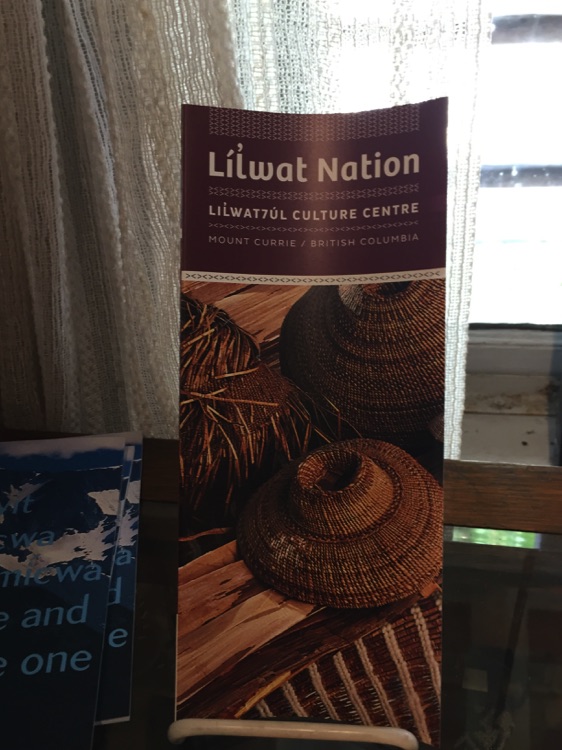
In this valley, the pace becomes more relaxed: cultivated fields, winding rivers, and serene lakes such as Green Lake, together with wide vistas, create an airy space where nature seems to breathe slowly. Passing through the small towns, one can also discover the local culture: the Pemberton Museum preserves traces of the indigenous peoples and pioneer communities, offering a fascinating insight into the valley’s cultural roots.
Cycling through these landscapes means traversing a territory where the mountains are gentler but no less spectacular, and where it’s easy to spot deer, eagles soaring above the waterways, and other local wildlife. Between gentle climbs and scenic descents, the journey constantly reinvents itself, blending adventure, scenery, and a profound connection with the unspoiled nature of British Columbia.
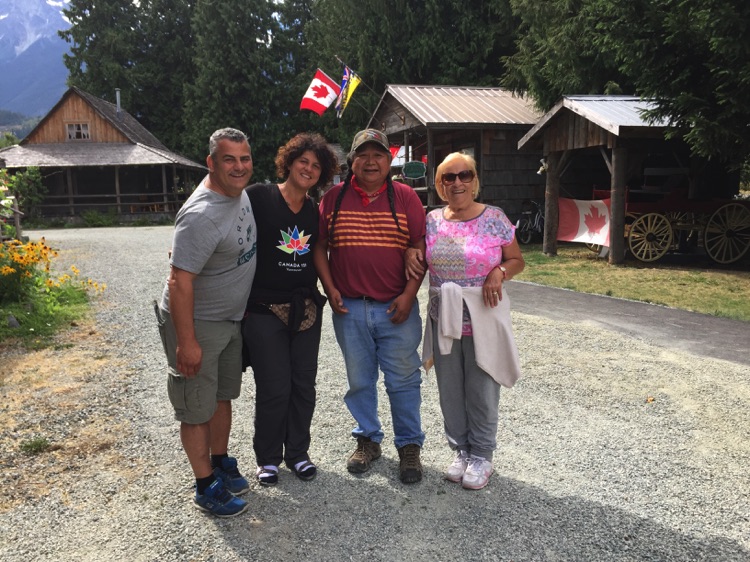
Remote Territories: Lillooet and Lytton
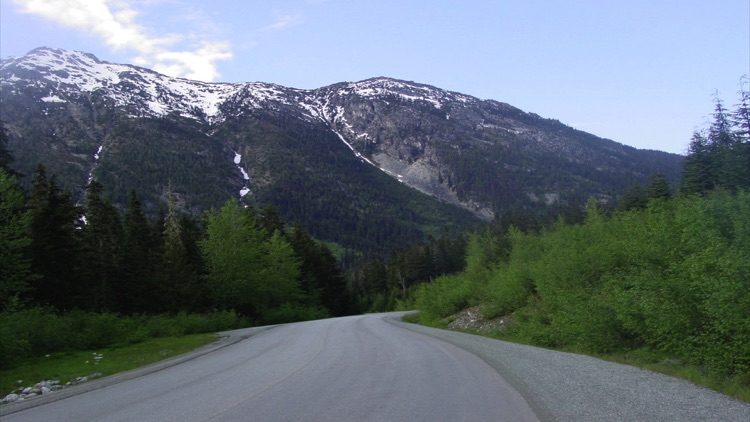
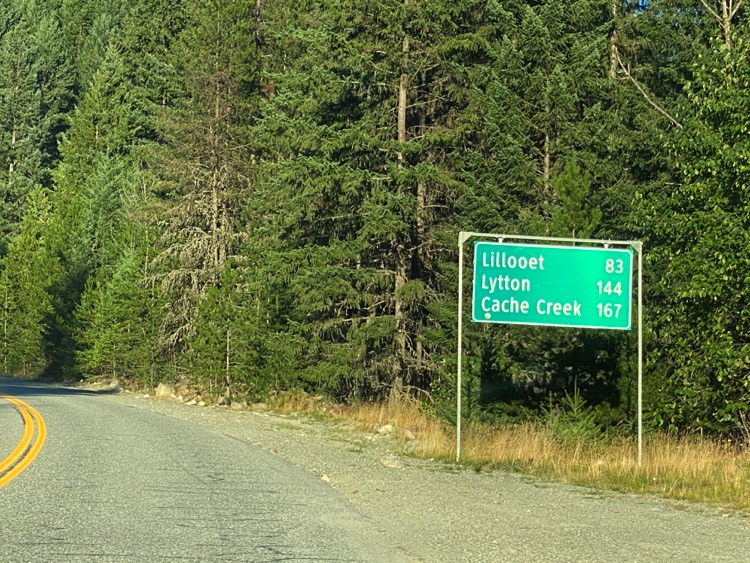
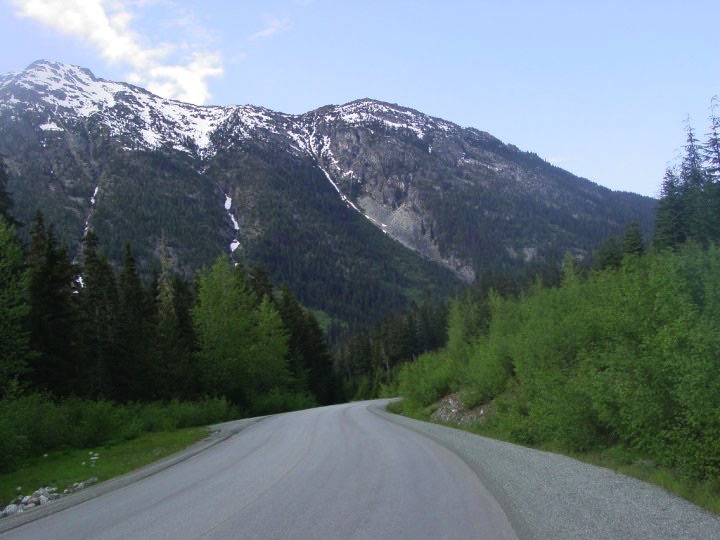
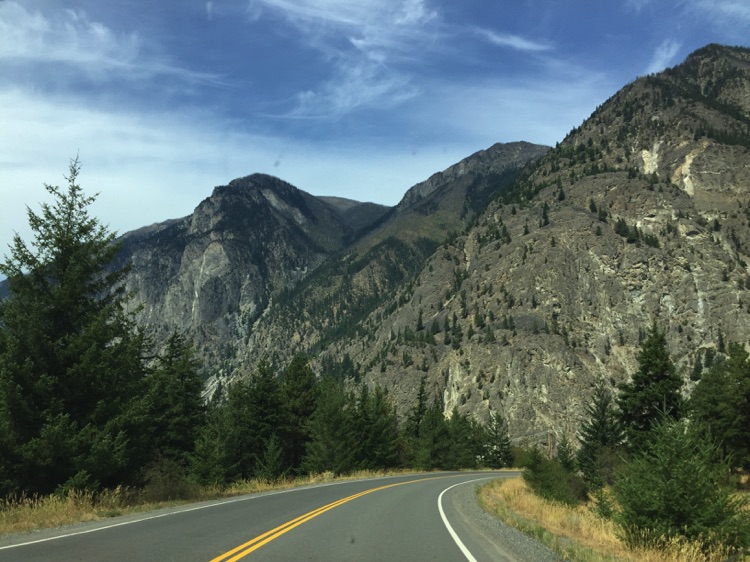
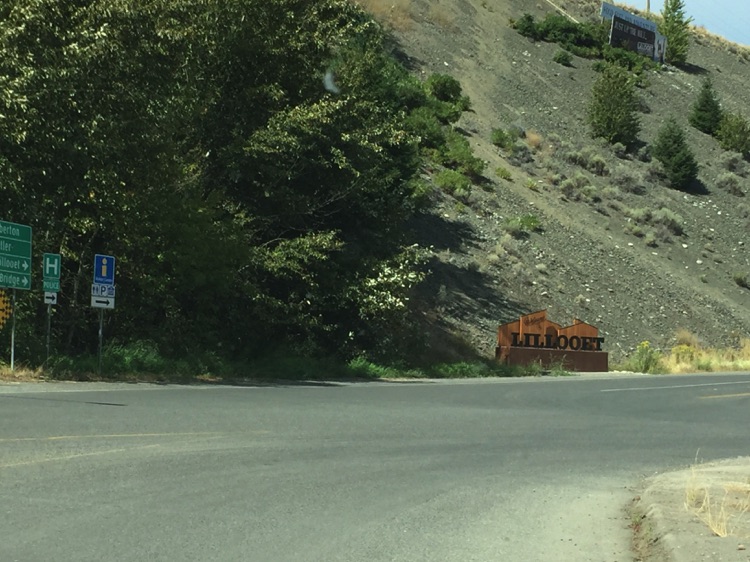
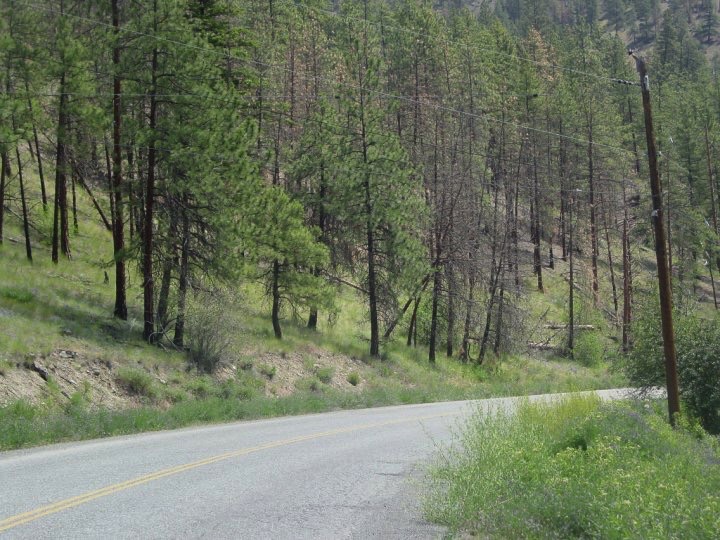
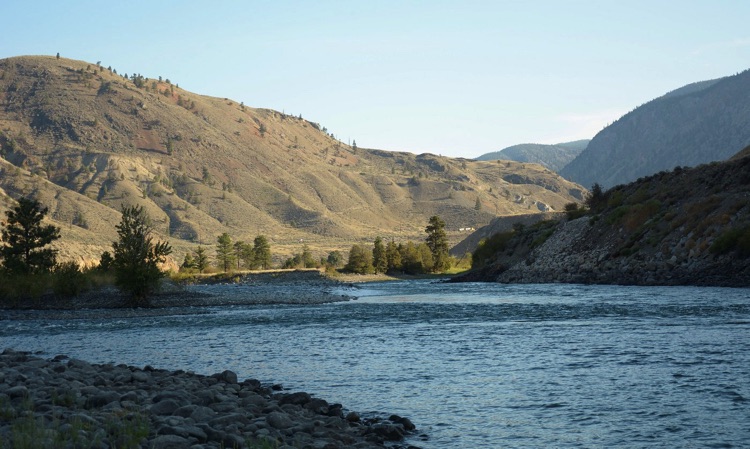
Bayond Pemberton, the landscape changes dramatically. The road winds through the Coast Mountains, crossing remote mountain passes and isolated valleys, before entering arid, almost desert-like surroundings near Lillooet and Lytton. The contrast with the coast is striking: reddish rocks, deep canyons, and semi-arid plains alternate with open valleys carved by rivers, offering breathtaking views at every turn.
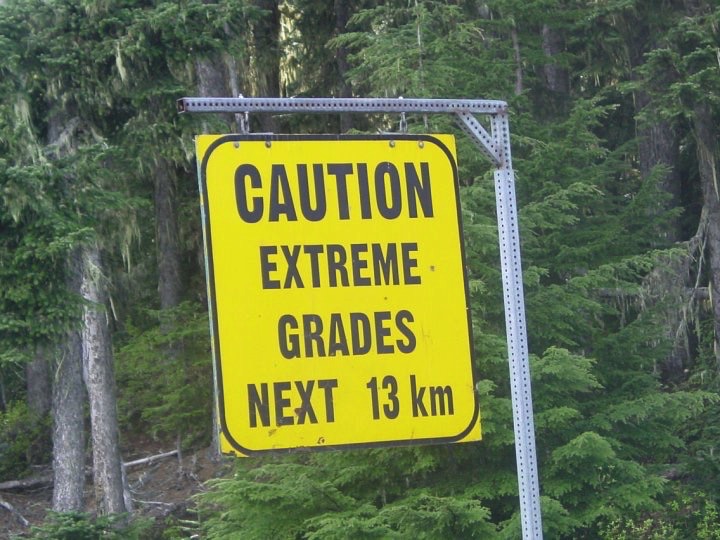
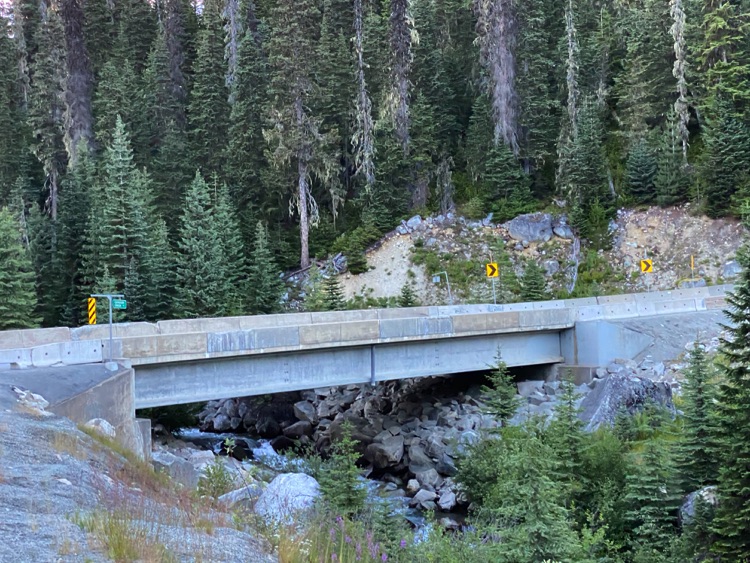
From the bright Pemberton Valley, the route begins gently along Highway 99, passing cultivated fields and small streams. But, seemingly out of nowhere, the road starts to climb decisively: this is the famous Duffey Lake Road, leading to Cayoosh Pass, the highest point of the mountainous stretch. The ascent is steep and demanding, with ramps exceeding 11–13%, where every pedal stroke requires concentration and strength, and the effort becomes an integral part of the experience.
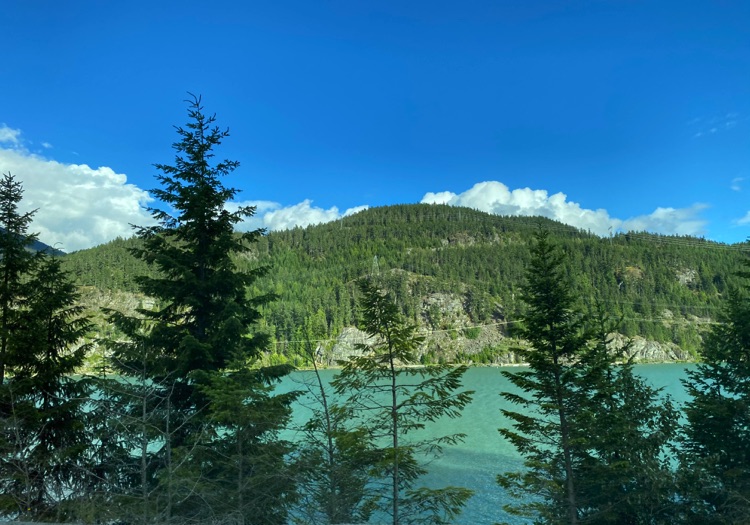
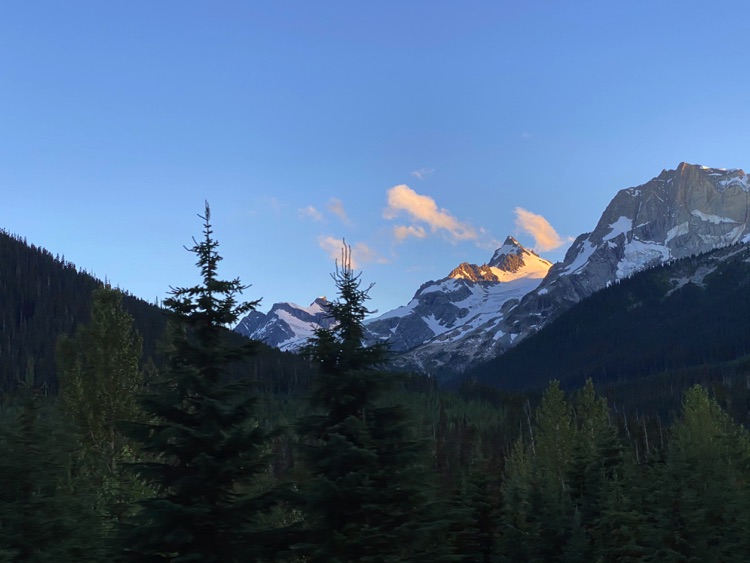
The scenery transforms completely: forests thin out, the Coast Mountains’ peaks rise majestically, and alpine lakes like Duffey Lake appear as turquoise mirrors nestled among the mountains. Nature here is pristine and silent, and the feeling of isolation and freedom accompanies every curve.
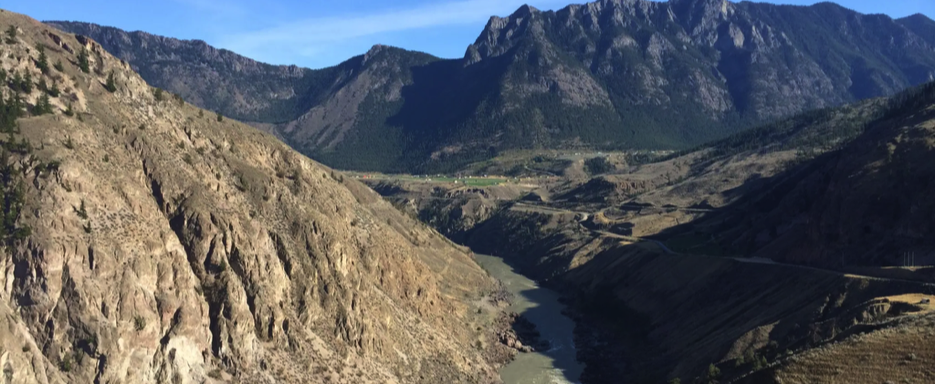
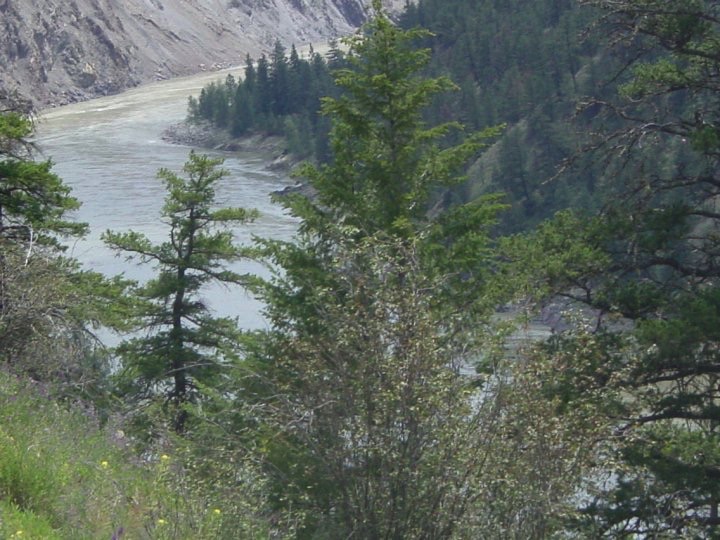
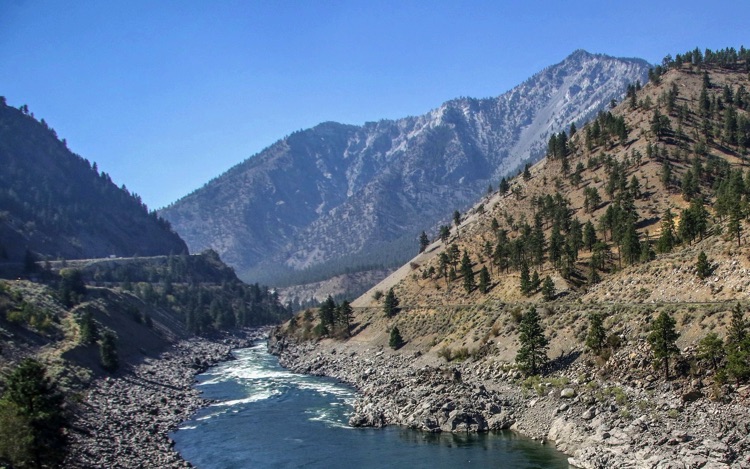
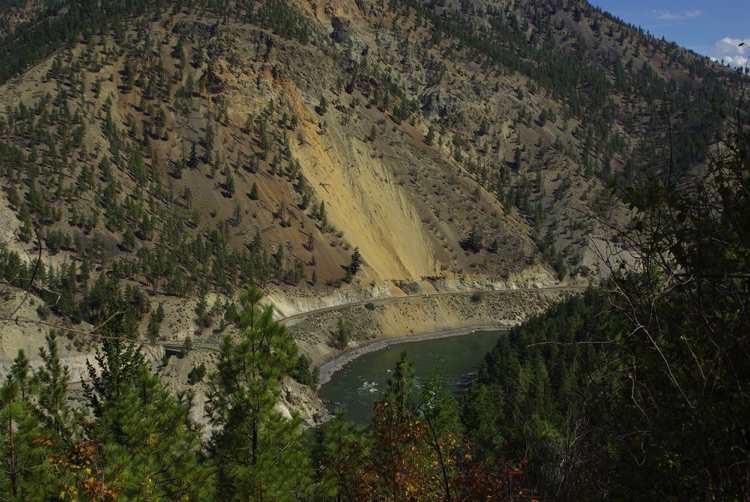
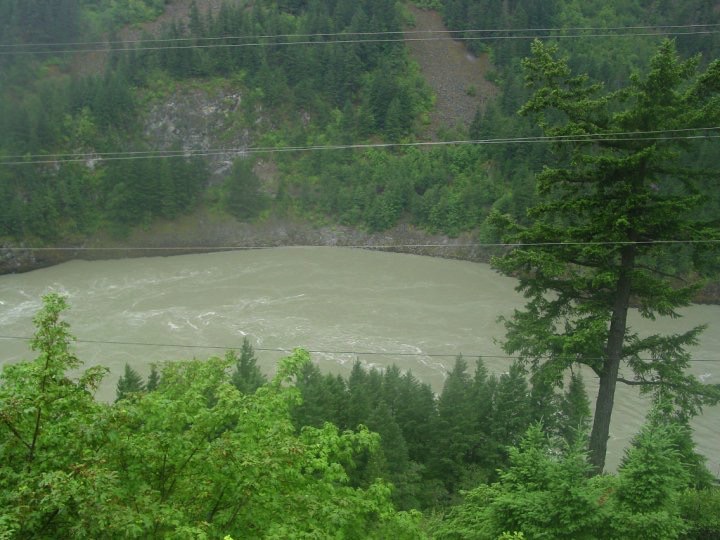
Once the pass is reached, the effort is rewarded by a long panoramic descent into Lillooet, through deep canyons, reddish rocks, and semi-arid valleys. In Lillooet, the arid slopes and time-sculpted canyons clearly reflect the semi-desert climate, while in Lytton the Thompson and Fraser Rivers converge in a visually striking point. The Fraser River winds through deep gorges, creating spectacular landscapes where the dark, rushing waters contrast with the surrounding dryness.
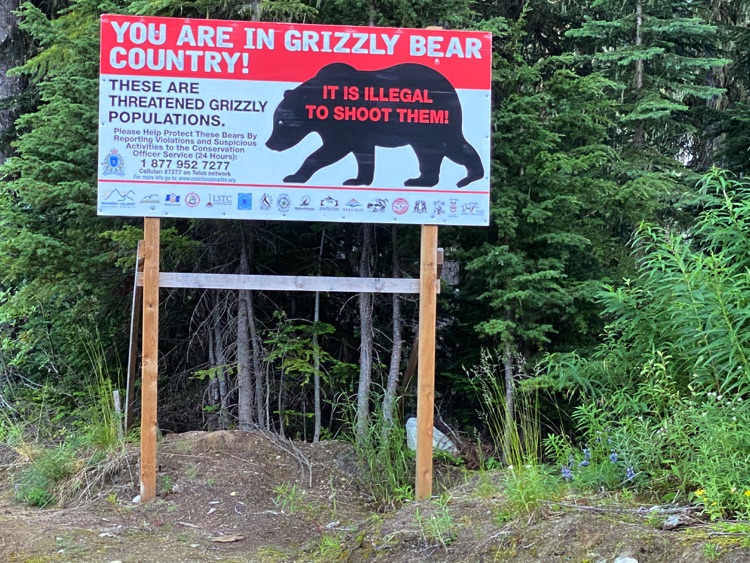
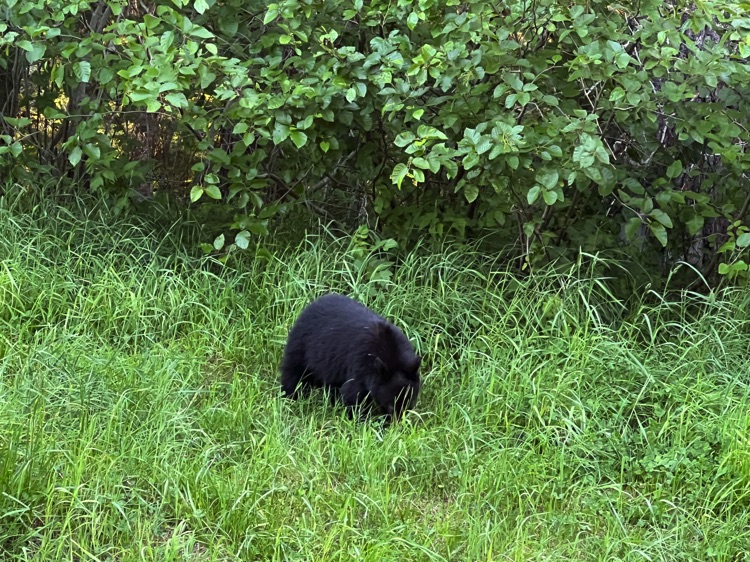
Along the route, traces of the Gold Rush and First Nations culture are evident: sacred sites, ancient settlements, and historical remnants lend depth and meaning to every stop. Wildlife is abundant yet discreet: eagles soar over the gorges, deer wander through the trees, and beavers inhabit the rivers. With a bit of luck, we even spotted a black bear grazing peacefully at the side of the road.
This encounter was a moment of pure emotion, made even more special because, while cycling, my camera was rolling, allowing me to photograph the bear without interrupting the ride, ensuring safety for both myself and the animal.
Cycling through these remote territories, one can truly feel the power and solitude of untouched nature: every turn reveals new vistas, every descent opens onto extraordinary gorges and plains. The combination of scenery, history, culture, and wildlife makes Lillooet and Lytton unforgettable stops on the Coast Mountain Circle Tour, where the sense of adventure and discovery reaches its peak.
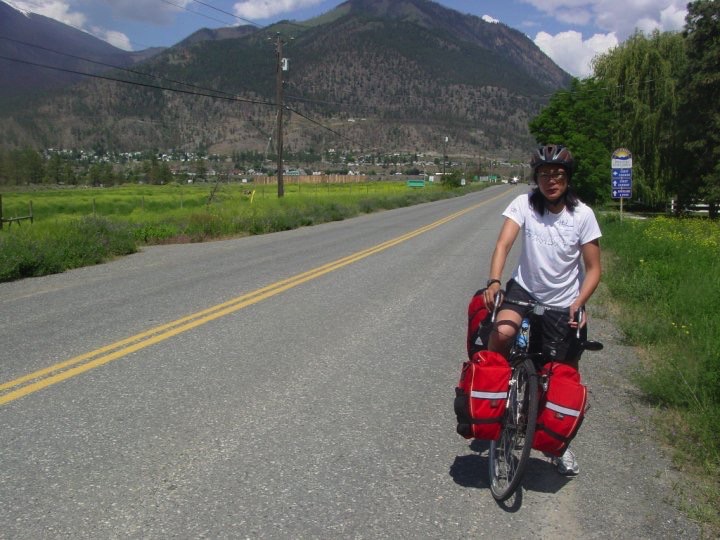
Descent to the South: Hope, Fraser Valley – Through Canyons, Hills, and Small Towns
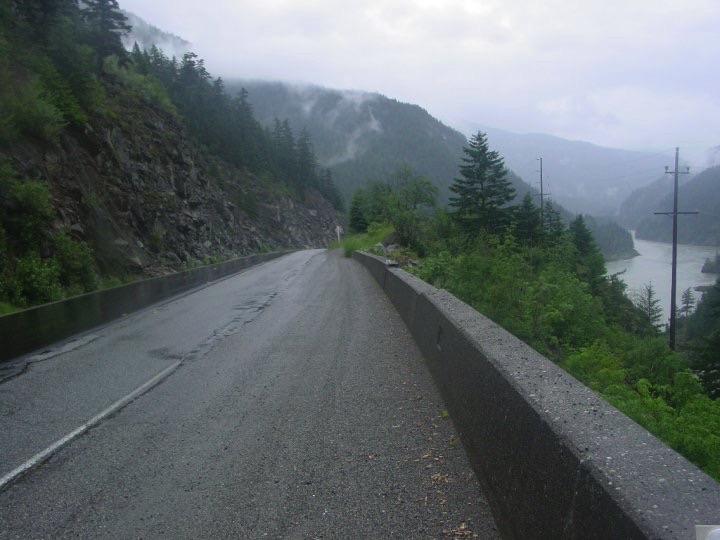
From the heart of the Fraser Canyon, the loop continues south and then west along Highway 1 and Highway 7 (Lougheed Highway), following the course of the Fraser River and guiding the final stretch toward Vancouver. The road passes through sections carved between rocky walls, with a series of short climbs, rolling flats, and flowing descents, gradually opening into wider valleys and gentle hills where the landscape becomes less rugged but remains captivating.
In the initial stretch, just after Lytton, you cross the point where the Thompson River merges with the Fraser, creating a striking visual contrast between the green waters of the Thompson and the murkier Fraser. The road follows the canyon walls, alternating between tight curves, sections suspended above the water, and panoramic terraces offering powerful and wild views.
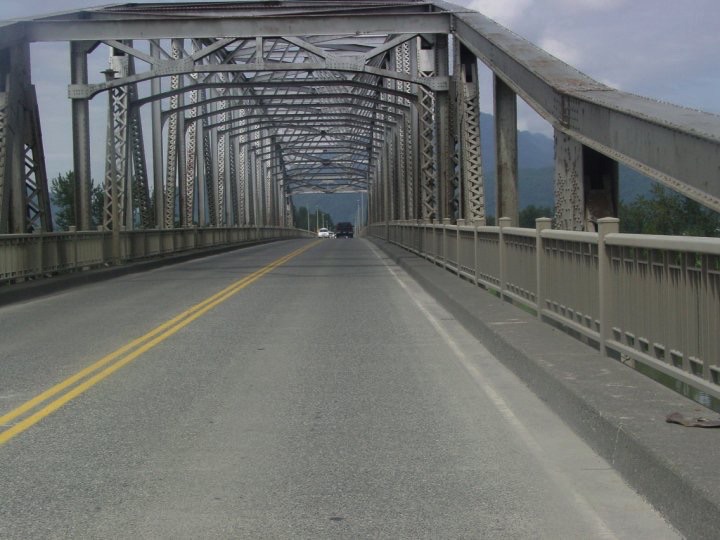
Along the route, you pass through towns and sites of great historical and cultural value, such as Boston Bar, Tuckkwiowhum Heritage Village, Hell’s Gate with the iconic Alexandra Bridge, the Hell’s Gate Airtram, and the historic site of Yale, where the history of the First Nations and the Gold Rush intertwine naturally with the landscape.
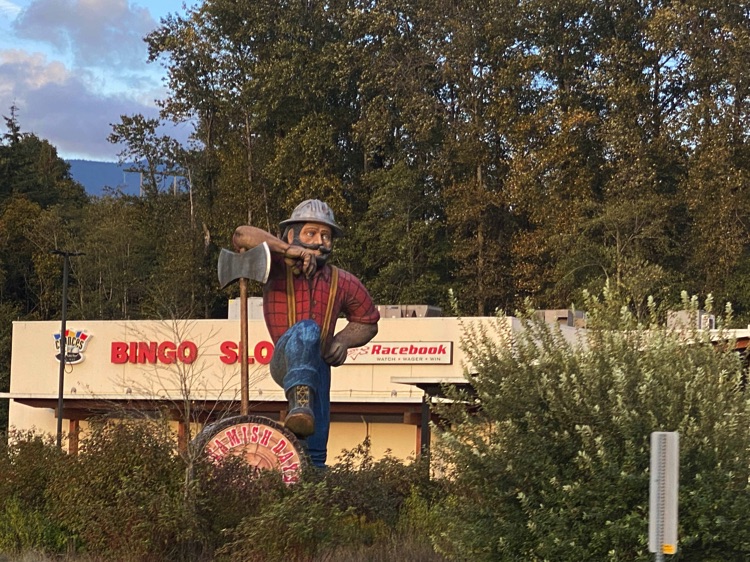
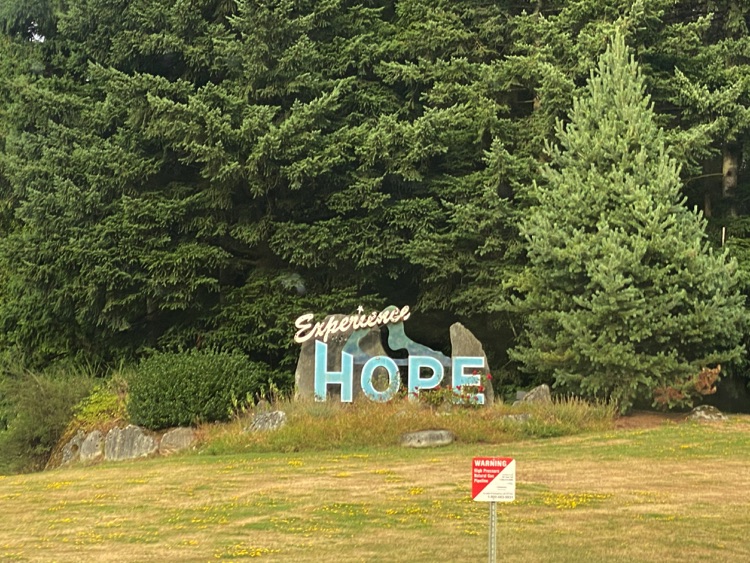
Arrival in Hope, at the confluence of the Fraser and Coquihalla Rivers, marks the exit from the Fraser Canyon. Here, the Fraser widens, the rocky walls recede, and the terrain changes character. Hope is known not only for its spectacular natural setting but also as the filming location of Rambo: First Blood (1982) and as the “Chainsaw Carving Capital” of Canada, with numerous wood sculptures scattered throughout the town.
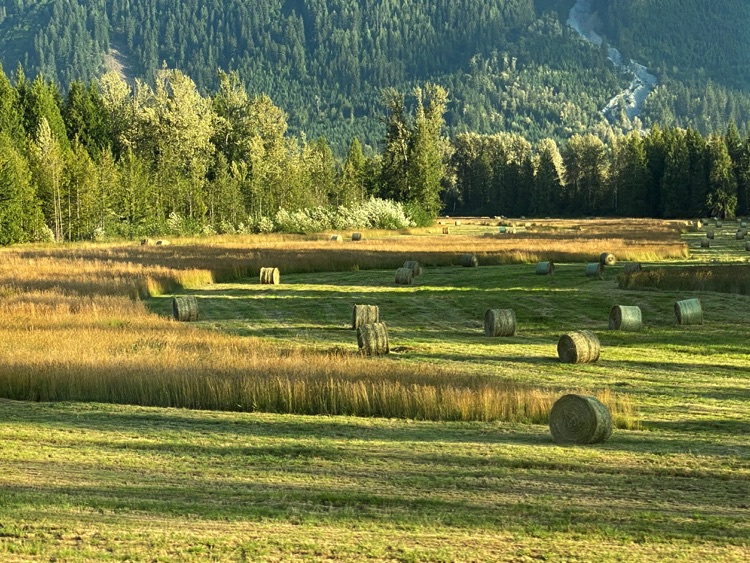
Continuing along Highway 7, the route enters the Fraser Valley, where the landscape gradually softens. The mountains lower, the rivers widen, and farmland emerges at the base of the peaks, with cultivated fields opening between forests and waterways.
The route passes through Agassiz, Harrison Mills, Lake Errock, Mission, Maple Ridge, Coquitlam, and Port Moody, offering ever-changing glimpses of nature and local life, gradually leading back toward Vancouver.
Return to Vancouver: Closing the Loop at English Bay
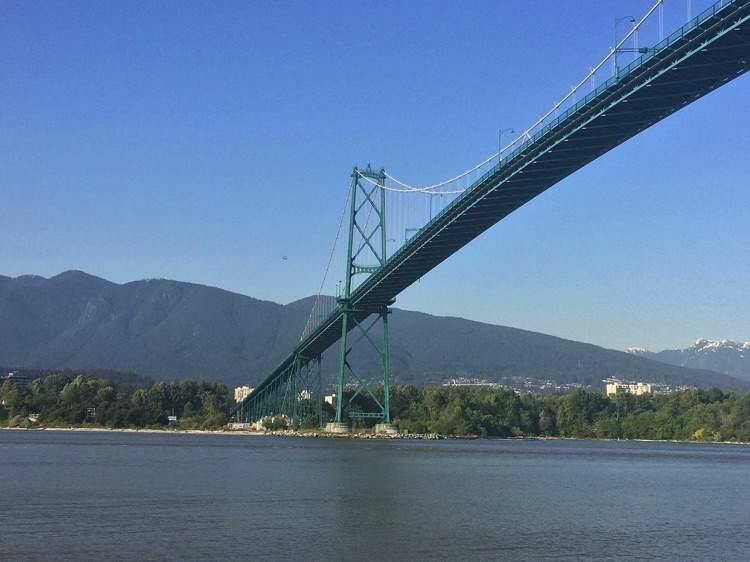
From the Fraser Valley, the route guides cyclists back toward Vancouver, where it all began. The rhythm of the city gradually reappears, but with a new perspective: every road, river, and village encountered along the journey tells the story of British Columbia’s richness and diversity.
Closing the loop at English Bay, with views of sparkling waters framed by the surrounding mountains, gives the feeling of a complete and immersive adventure. Here, nature and urban life coexist just as they did at the start, but now with the awareness of having pedaled through majestic mountains, pristine forests, remote canyons, powerful rivers, abundant wildlife, and lands steeped in First Nations history and culture.
The Coast Mountain Circle Tour is not just a cycling route: it is a journey through spectacular landscapes, cultural experiences, and moments of pure wilderness, concluding exactly where it began, at English Bay, Vancouver.