

From the Alps to the Mediterranean: 8,930 km of emotions, landscapes, and freedom
It wasn’t just a bicycle journey it was a return to the purest form of freedom, the kind that’s measured not in kilometers, but in breaths, silences, and ever-changing horizons.
My second European adventure on two wheels once again in full autonomy and with the same travel companion was a mosaic of landscapes, cultures, and encounters that redefined the very meaning of exploration.
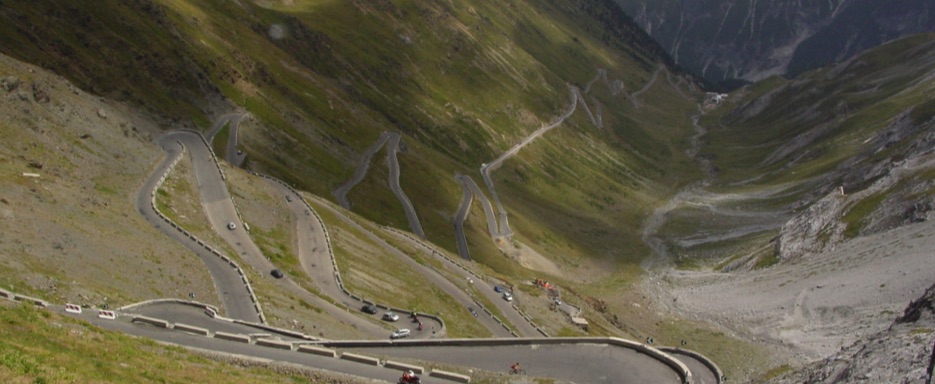
From the bustling streets of Milan to the quiet cycle paths along the Lombard canals, and up the legendary hairpin turns of the Stelvio Pass, every pedal stroke brought us closer to a new world.
We crossed Italy, Germany, the Czech Republic, Denmark, Sweden, Norway, the Netherlands, Belgium, France, Spain, Morocco, and Portugal, discovering something new each day: crystal-clear lakes and silent valleys, vibrant cities and hidden villages, sunlit coasts and golden deserts.
From the summit of the Stelvio to the French Riviera, from the beaches of Mallorca to the rolling roads of the Algarve, every kilometer was an invitation to see the world from a different perspective.
Riding 8,930 kilometers in 120 days wasn’t just a physical challenge it was a journey within ourselves. The strain of climbs, the headwinds, the scorching sun, and sudden rain all became part of a greater rhythm the rhythm of the road.
And when we finally returned to Milan, standing once again in Piazza del Duomo, the circle was complete. We had left from there and returned there with a slower, deeper, and more conscious gaze.
This journey was a perfect loop of roads, encounters, and freedom. In the end, the true destination wasn’t a place, but the feeling of living the world, one pedal stroke at a time.
A tent, a bicycle, and Europe ahead of us
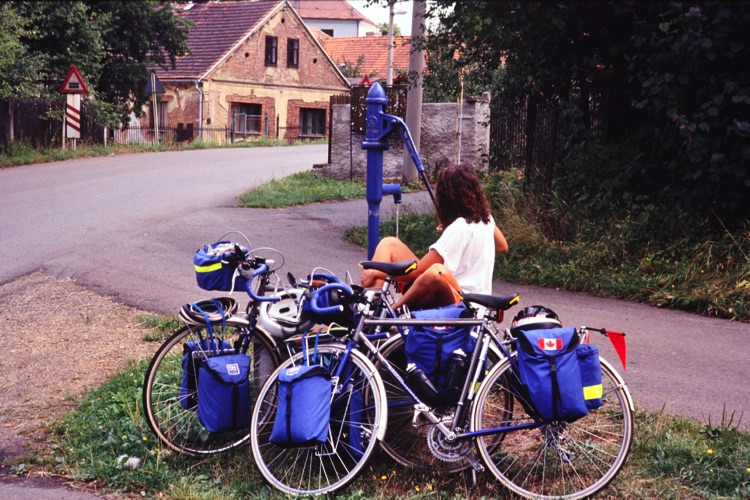
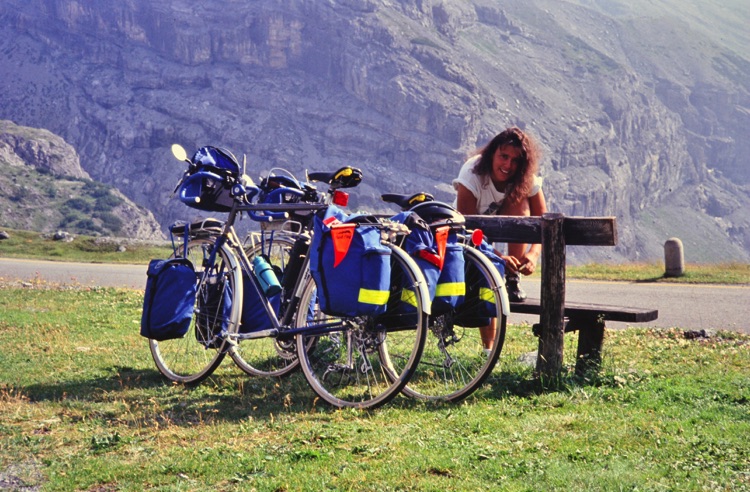
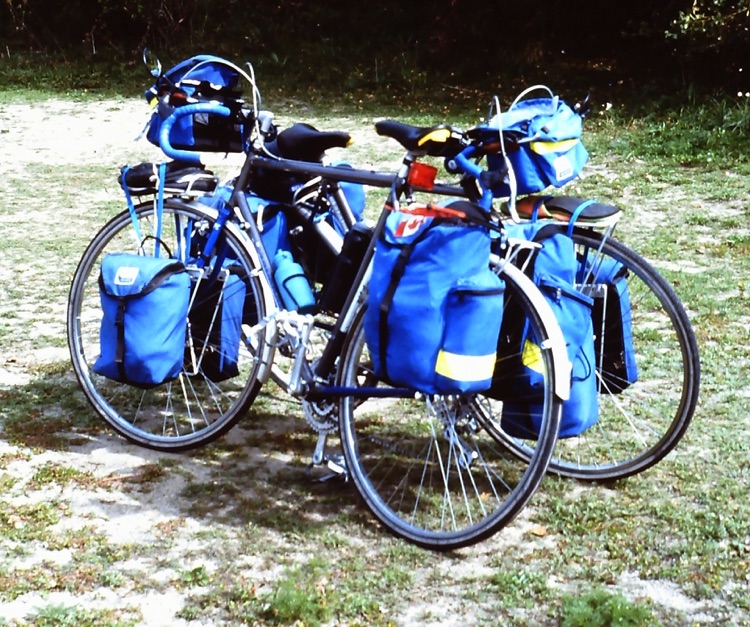
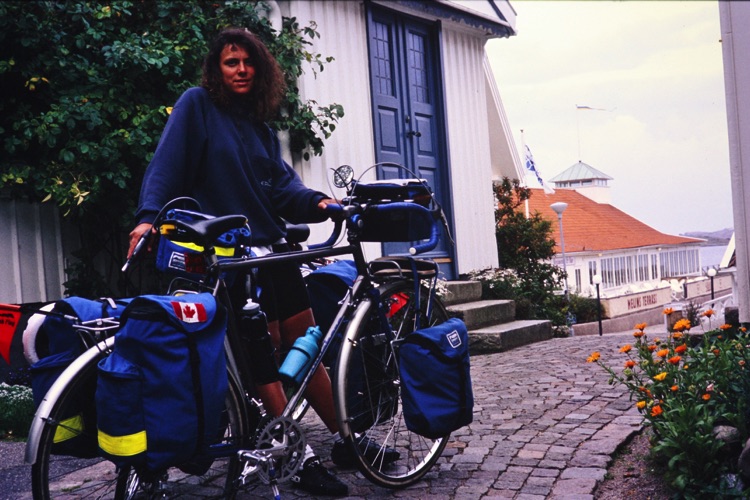
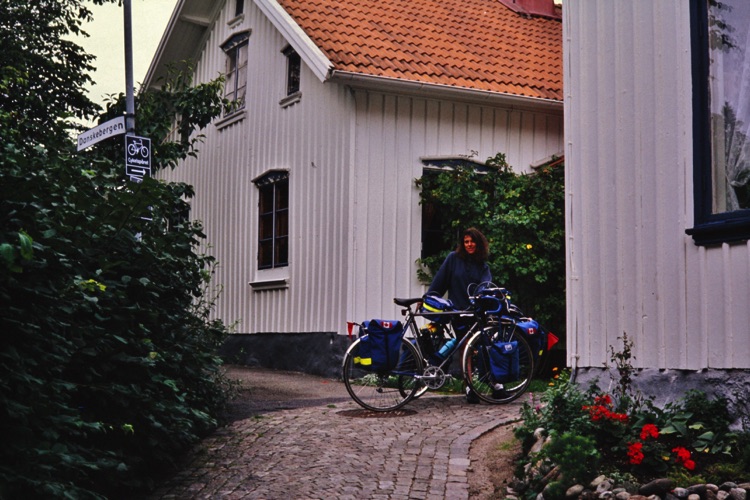
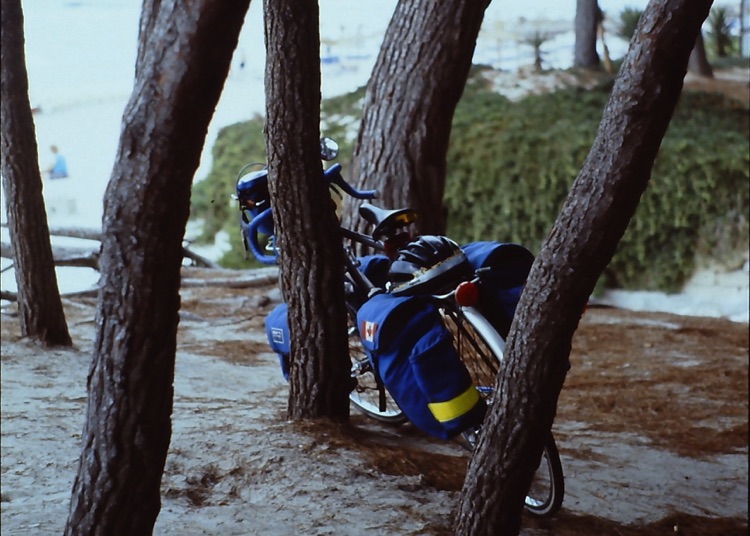
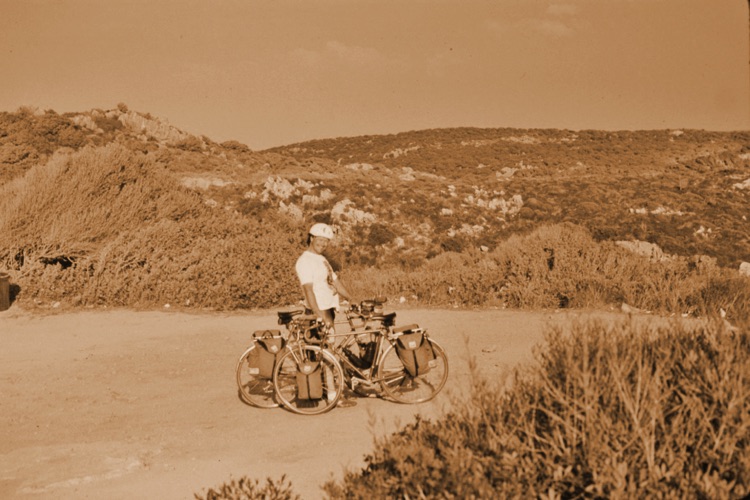
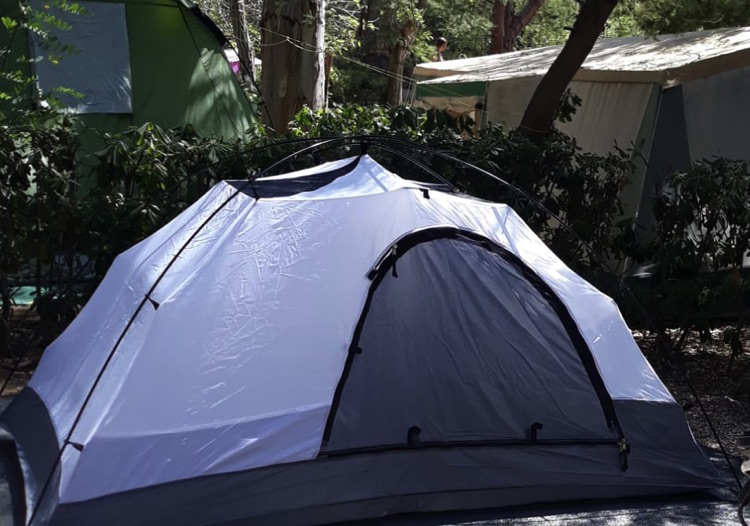
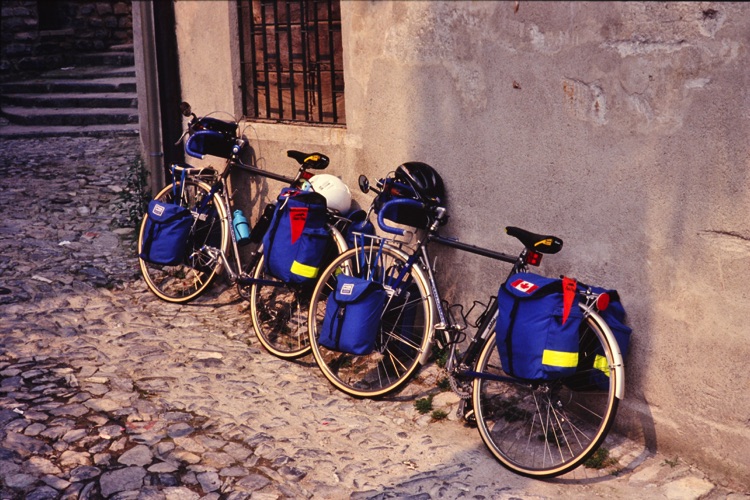
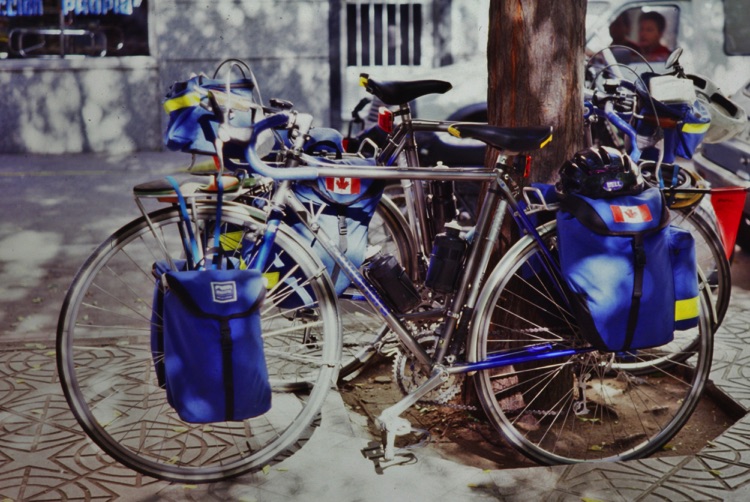
With a bicycle, some panniers, and a tent without counting kilometers or days we let ourselves be guided by instinct and curiosity. There was no fixed itinerary, only the road and the desire to discover.
Crossing Europe by bike was a unique experience: a continent extraordinarily rich in culture and landscapes, capable of offering emotions that changed with every border crossed. From the piazzas of Milan to the fjords of Norway, from Spain’s sun-drenched coasts to France’s picturesque villages, each day was a journey within the journey.
To live the road this way means discovering an entirely new rhythm the freedom to explore and to lose yourself, only to find yourself again in every encounter, every landscape, every sunrise and sunset.
One journey, a thousand roads.
From the Alps to the Mediterranean, from the coasts of Northern Europe to the deserts of the South, every day was a new horizon. These are the numbers, stages, and places that shaped an adventure of nearly nine thousand kilometers: a great loop across Europe, pedal stroke after pedal stroke.
The journey begins
🇮🇹 Italy – From Milan to Dongo along Lake Como
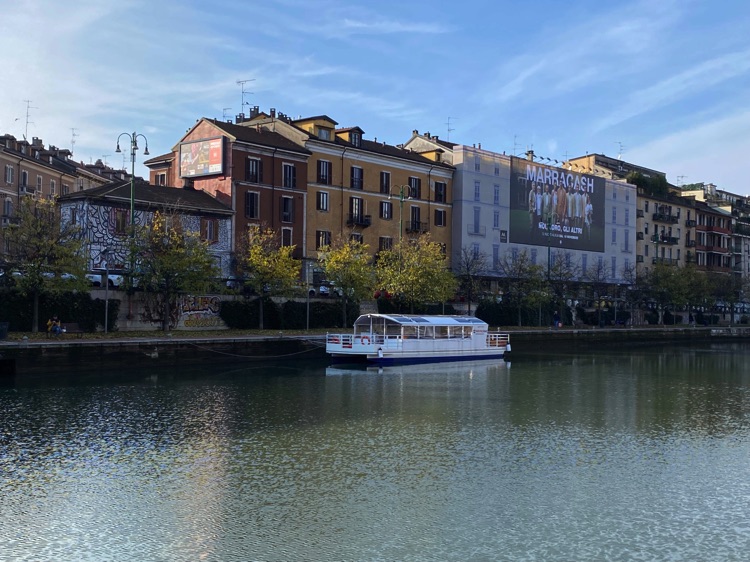
From Piazza del Duomo in Milan, the beating heart of the city with its cathedral and the Galleria Vittorio Emanuele II, our wheels carried us out of the urban core along streets and bike paths that follow the canals of the Lombard plain. Beyond the outskirts, the asphalt became quieter, cars were few, and the landscape gradually began to transform.
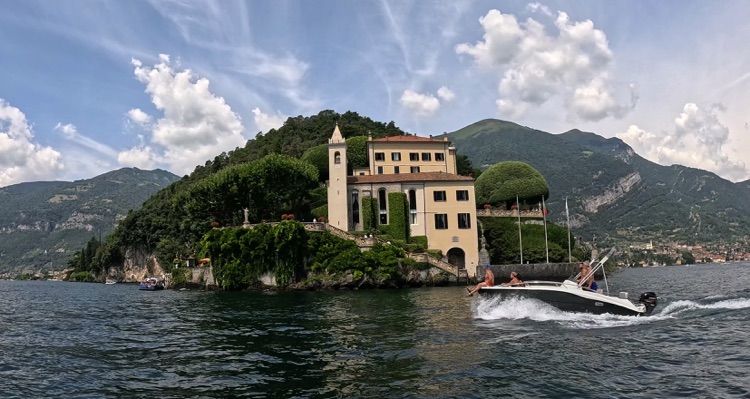
Passing fields and small hamlets immersed in silence, we reached Como, where the view of the lake is always a thrilling reward. Here the road narrows and winds, nestled between water and rock. Along the shores, the scenery alternates between picturesque villages, historic villas, and lush gardens.
From Como northwards, we followed the Strada Statale 340 Regina, a panoramic route winding through tunnels, curves, and breathtaking viewpoints. Traffic was present, but the beauty of the lake and the mountains mirrored in the water made every kilometer a pleasure for the eyes.
The route is a continuous undulation on smooth asphalt, with bike lanes and short detours on quieter secondary roads. Riding through Cernobbio, Argegno, and Menaggio, small gems suspended between lake and mountain, the scent of oleanders and lime trees accompanied the gentle climbs. T
Further ahead, the rhythm became regular and the view opened up to wide vistas of the Lario, with the reflection of snow-capped Alps in the distance. Each curve revealed a new postcard.
Leaving Como, the road faithfully follows the western shore of the lake, one of the most spectacular in Italy, passing historic villas, blooming gardens, and villages that seem suspended in time.
Along the way, our eyes rested on iconic sites like Villa Carlotta in Tremezzo, with its refined botanical gardens, and the famous Villa Oleandra in Laglio, beloved for its elegance and known as George Clooney’s residence. The journey flows along paved panoramic roads, brief tunnels, and quiet sections by the water, where the lake’s light constantly shifts from deep blue to emerald green.
After passing Menaggio and other lakeside villages, we arrived in Dongo, where the mountains reflect in the water and the tranquility of the place invites a pause. There was no better choice than pitching our tent at Camping La Vigna del Lago, right along the shore.
From the campsite meadow, the view was magnificent: before us, the lake, calm and silvery under the late afternoon sun; behind, the majestic profile of Monte Legnone, standing guard over the entire landscape.
I gazed at it for a long time, recalling my climb years ago to its summit: from up there I had seen the lake below, and now, from the lake, I watched it rise toward the sky, a silent link between past and present.
With the gentle sound of the waves and the sunset lighting the water in gold and copper, the evening slowly fell. The tent, pitched beside our bicycles, seemed the perfect place to rest and dream of the mountains that awaited us beyond the lake.
🇮🇹 Italy – The Great Ascent: From Dongo to the Stelvio Pass, up to the Austrian border
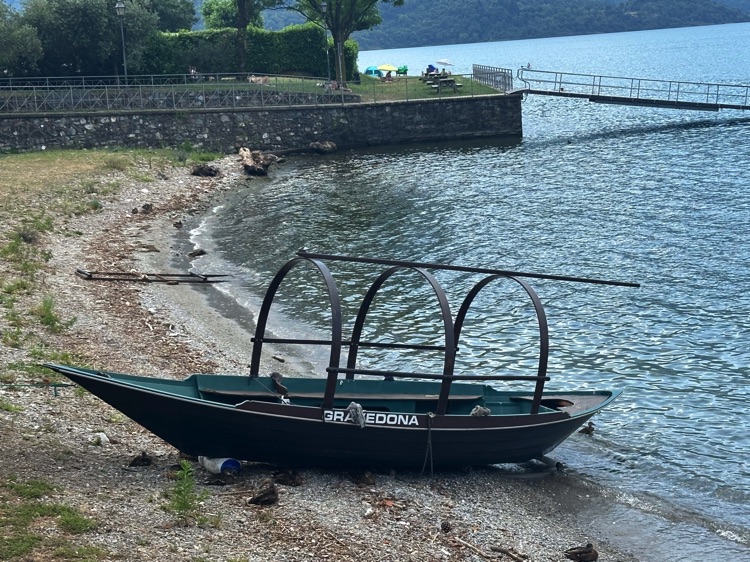
In the morning at Dongo, we left Camping La Vigna del Lago, our bicycles ready for a mountainous and adventurous stage. Following the banks of the Mera River, we headed towards Gravedona, admiring the calm waters of the lake and the first hills of the valley.
Continuing on quiet asphalt roads, we passed through Colico, with the mountains gradually drawing closer, then Sorico, Dubino, and finally Chiavenna, a small gem among the mountains, with narrow alleys and stone houses.
From Chiavenna, the road gently descends into Valtellina, joining the Valtellina Cycle Path near Morbegno. The route winds through terraced vineyards, crystal-clear streams, and small stone bridges. It alternates well-maintained bike paths with sections of secondary roads, where traffic is minimal and nature reigns supreme.
Beyond Morbegno, the valley opens up and the cycle path follows asphalt for almost the entire stretch, passing through Sondrio, among apple orchards, flowering meadows, and still snow-capped peaks.
From here to Tirano, the mountains draw nearer and the wind turns cooler. The wheels roll over a mix of asphalt and compact gravel, among dry stone walls and Nebbiolo vineyards. Every village invites a pause, every fountain a chance to refill bottles.
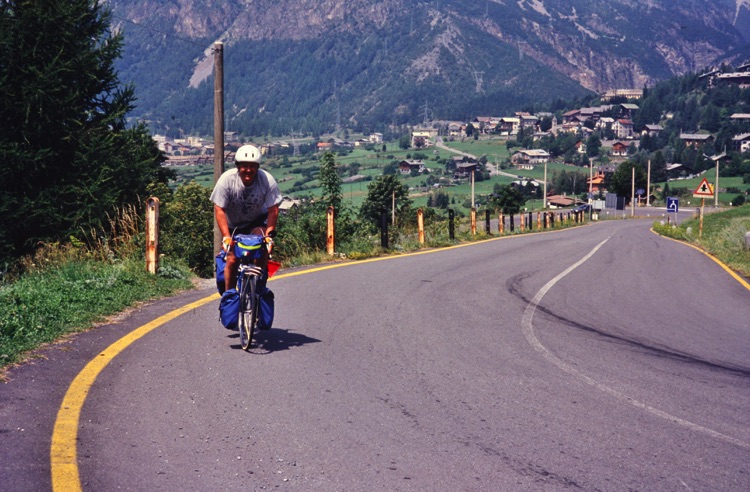
Past Tirano, the valley narrows and altitude rises: forests thicken, and the scent of resin accompanies the climb toward Bormio. The asphalt is flawless, but the gradient makes itself felt. With every turn, the landscape becomes grander, wilder, more vertical.
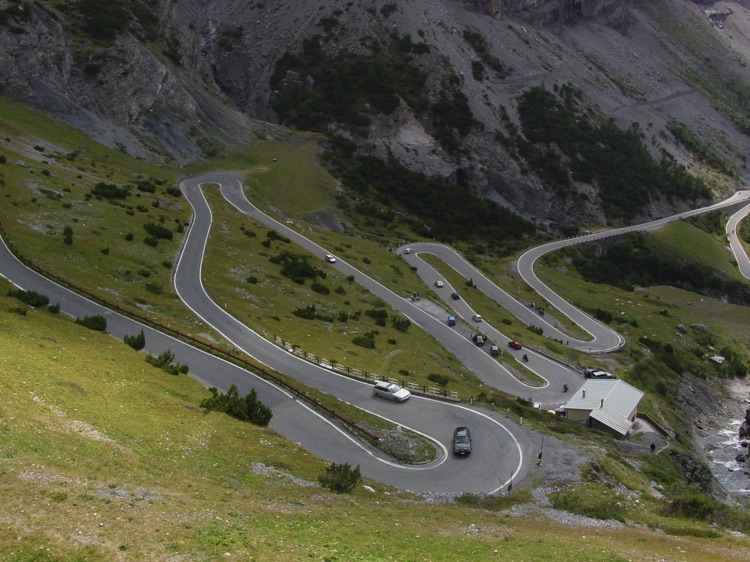
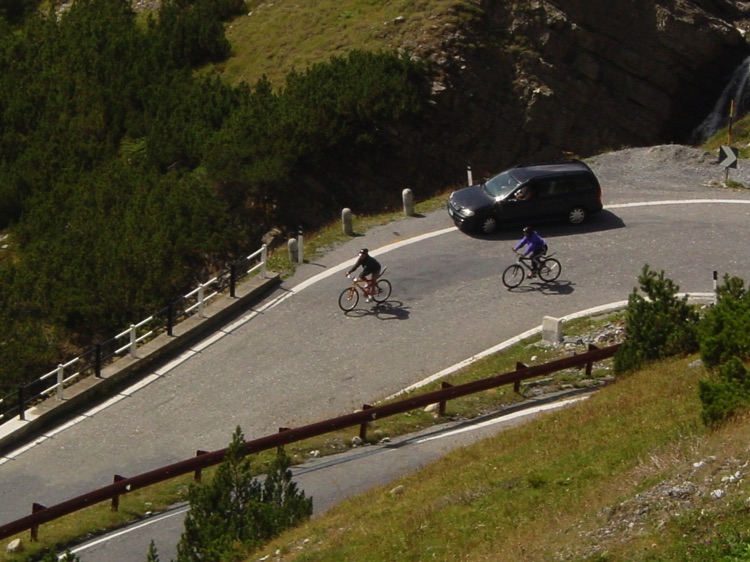
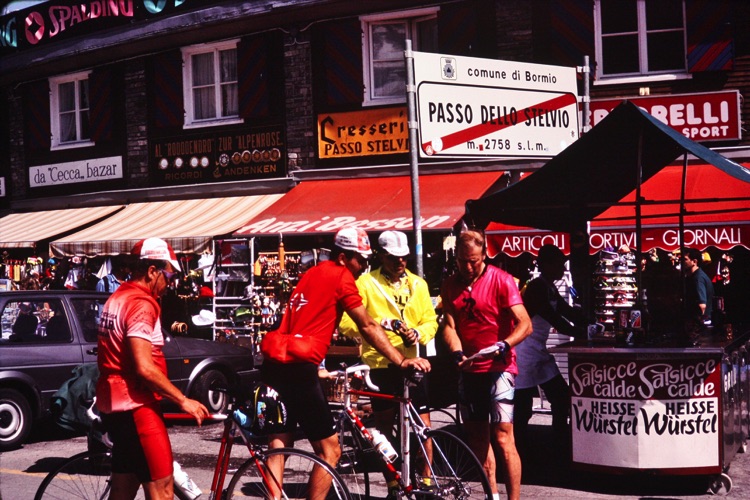
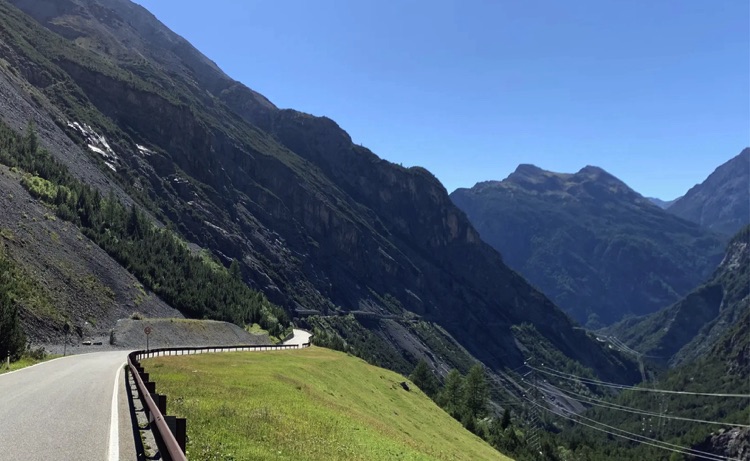
In Bormio, we stopped for a brief break: coffee, a slice of cake, and a glance upwards. Ahead of us lay the legendary challenge of the Stelvio Pass: 21 km of asphalt, 42 hairpins, and 1,533 meters of elevation gain.
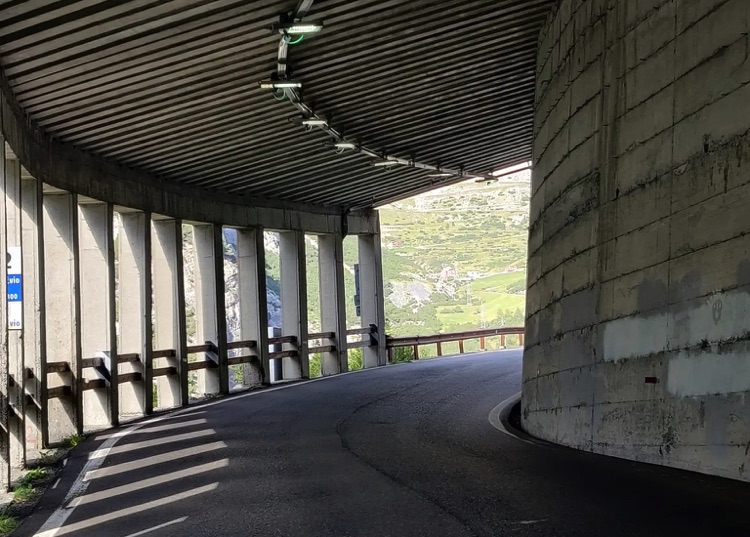
Every curve is a conquest, every hairpin a step closer to the summit. The air grows thin and crisp, the landscape ever more majestic: waterfalls, rocks, patches of snow, and the clear sky above the Alps. Cycling here is an experience that combines effort, freedom, and poetry a silent dialogue between rider and mountain.
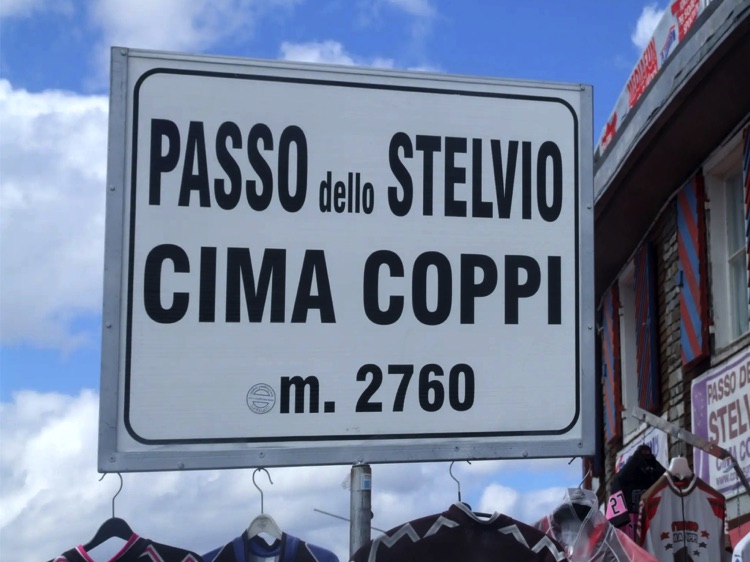
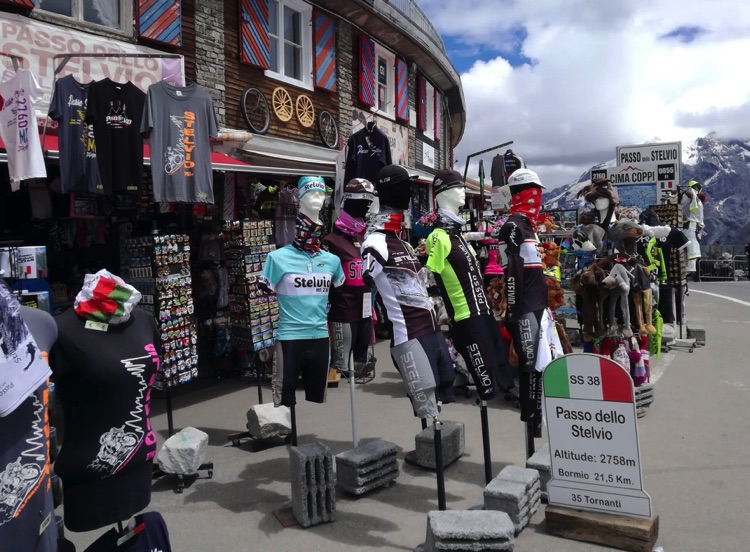
The Stelvio Pass entered cycling legend in 1953 during the Giro d’Italia, when Fausto Coppi wrote one of the most epic pages of his career. Reaching the summit, at 2,758 meters, means pedaling in the footsteps of the greats, feeling the same inspiration that has driven generations of cyclists.
The wind blows fiercely, but the panorama rewards every effort: the curves descend like an asphalt serpent into the valley, and the gaze stretches beyond borders, to mountains that seem endless.
After the Stelvio, the descent takes us through green valleys and alpine villages, with crisp air brushing our faces. The route leads through Sluderno (Schluderns), a small village in Val Venosta nestled among orchards and terraced fields. Here we take a short break, admiring the stone houses and red roofs that tell ancient stories, while the alpine panorama accompanies us around every curve.
Resuming the ride, the route follows quiet roads through forests and pastures, alternating gentle climbs with rejuvenating descents, until reaching the Resia Pass, a gentler yet equally scenic crossing. The surrounding mountains shelter the road, allowing us to enjoy the view and regain energy.
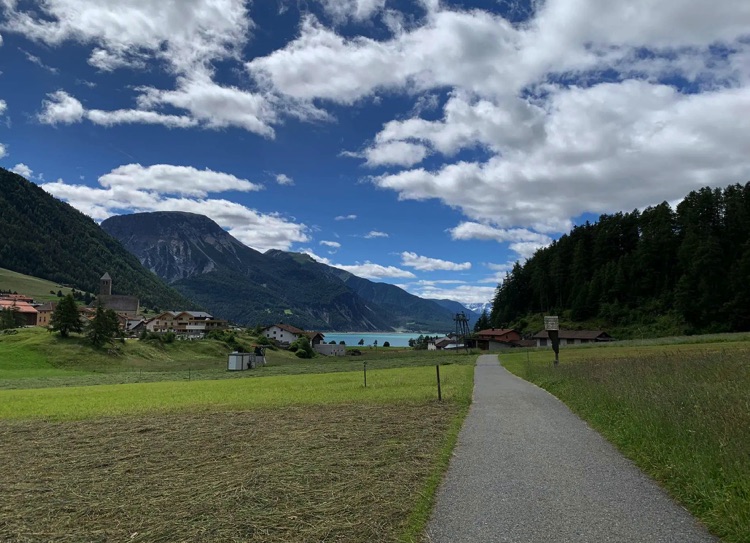
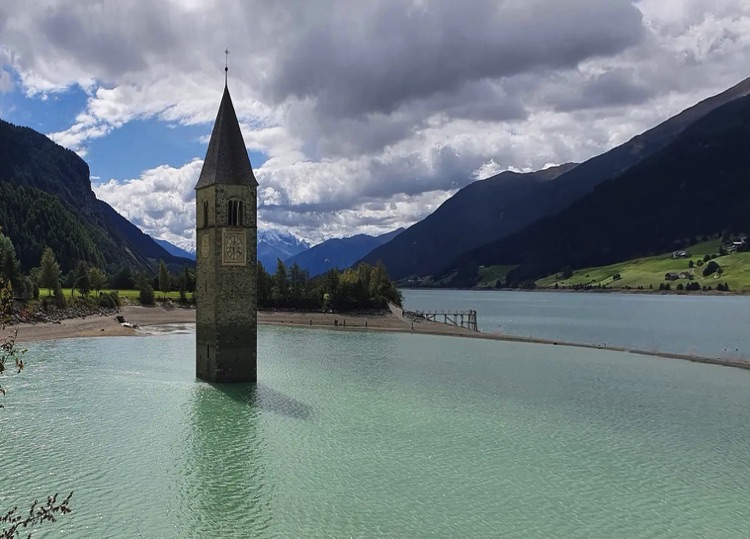
Before entering Austria, we encounter Lake Resia (Reschensee 🇦🇹), famous for its submerged bell tower. The calm waters reflect the surrounding peaks and clear sky, creating an almost surreal picture. Stopping here means immersing oneself in ancient silence, breathing pure air, and observing history emerging from the lake.
Continuing, we enter Austria, in the Ried Valley, ready to continue the journey among alpine panoramas, quiet roads, and timeless villages.
🇦🇹 Austria – From Lake Resia to Ehrwald: Through alpine valleys and suspended villages
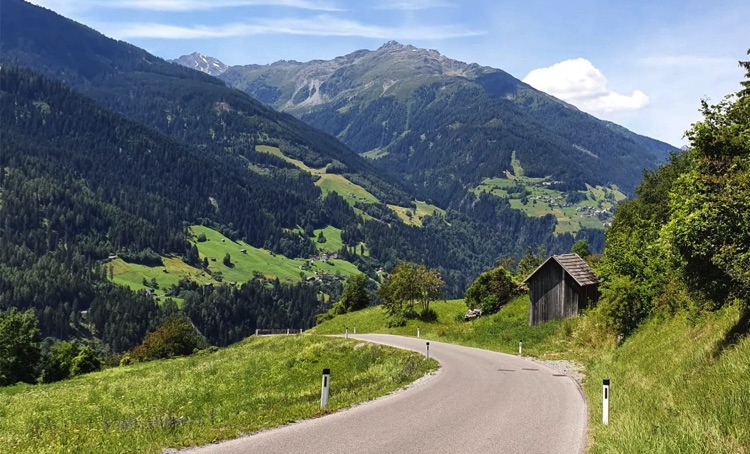
After the evocative Lake Resia (Reschensee), famous for its submerged bell tower, we resumed cycling along the calm waters reflecting the surrounding peaks and the clear sky. The route gently climbs towards the Ried Valley, following quiet secondary roads among streams and green pastures.
The alpine villages we encounter along the way, with their wooden houses, sloping roofs, and colorful flowers at the windows, seem suspended in time, offering perfect stops for a coffee or to refill water bottles.
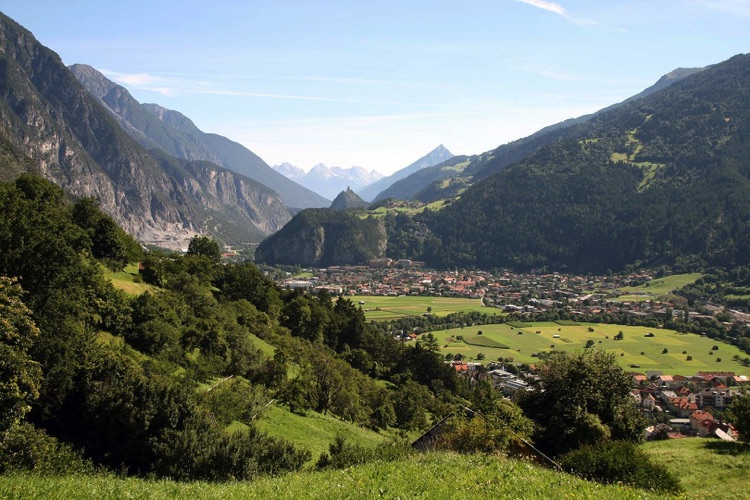
Continuing, we reach Landeck, a welcoming town nestled among imposing mountains. Traffic is almost nonexistent, and cycling through meadows and forests gives a total sense of freedom.
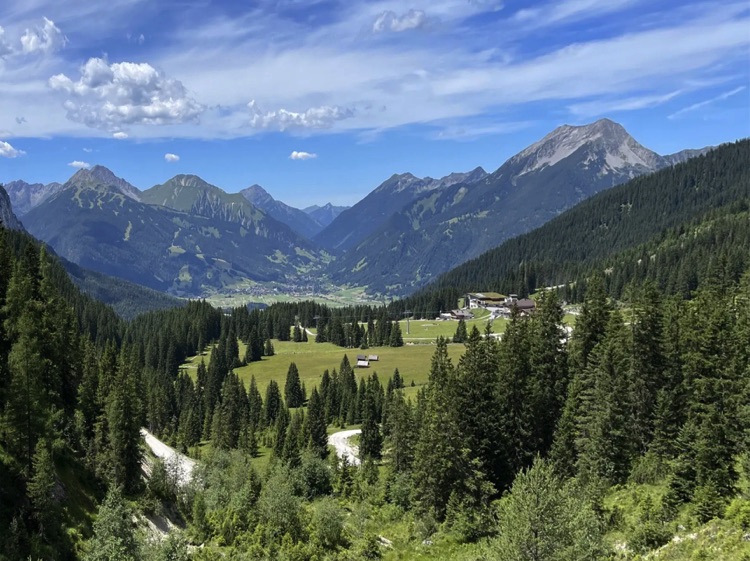
The road continues towards Nassereith, tackling the final climb up to the Fernpass (1,212 m). The asphalt is perfect, the curves gentle, and the surrounding woods offer continuous views of the valleys: every pedal stroke feels like a small triumph, every turn a new perspective on the majestic Austrian Alps.
From the summit, the descent to Ehrwald becomes a play of speed and lightness: smooth asphalt, gentle curves, and long straightaways allow us to savor every moment, while forests, streams, and villages pass beneath our wheels.
The heart beats strongly, a mix of joy and satisfaction, as the panorama changes with every meter. Arriving in Ehrwald, we are at the foot of the Zugspitze, Germany’s highest peak 🇩🇪, and just a few kilometers from the German border. Here, nature is majestic, the silence striking, and the feeling of being immersed in the heart of the Alps completes an unforgettable stage, filled with effort, freedom, and pure wonder.
🇩🇪 Germany – From Ehrwald to Cham via Munich
After leaving Ehrwald, at the foot of the Zugspitze, our bicycles follow the course of the Inn River, leading us through the Bavarian valleys. The route winds along cycle paths and quiet secondary roads, perfect for enjoying the scenery at a leisurely pace, with forests and meadows passing beneath our wheels.
The cycle path brings us to Garmisch-Partenkirchen, nestled among the Bavarian Alps, with sloping-roof houses and majestic mountains seeming to guard the village.
Continuing on quiet roads, we pass Oberau and Eschenlohe, small orderly towns where traffic is minimal and nature dominates the scene.
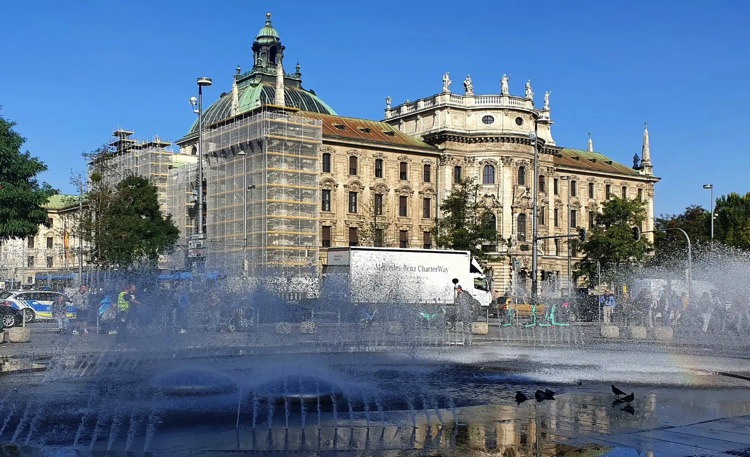
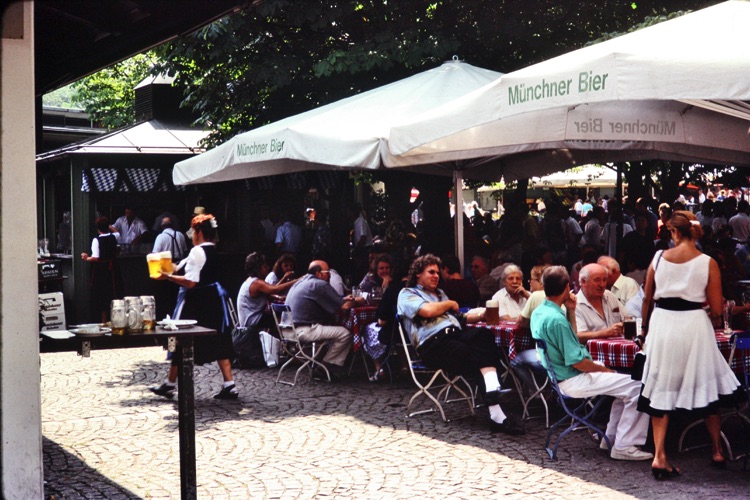
We reach Munich 🇩🇪, where we take a day to rest. We leave the bicycles at the hotel and explore the city on foot, strolling through squares, markets, and historic streets. The urban vibrancy is a pleasant contrast to the weeks spent among mountains and valleys, a moment to breathe in Bavarian culture and savor the city at a calm pace.
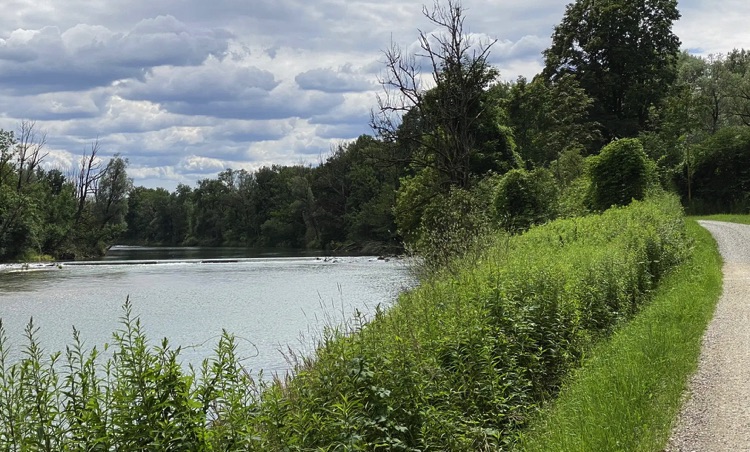
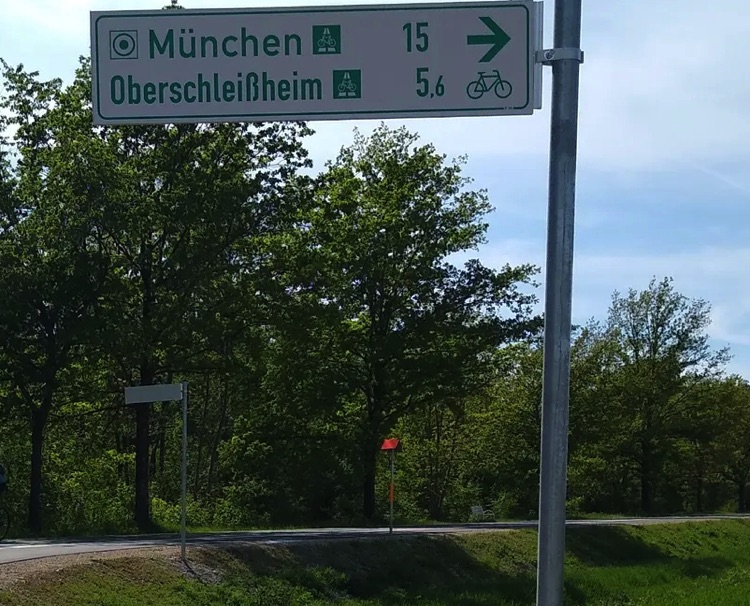
The following day, we resume cycling along the Isar River cycle path, a quiet and scenic stretch that leads us toward Freising. The road is mostly paved and lightly trafficked, running alongside fields and small villages, while the landscape becomes increasingly gentle and reassuring.
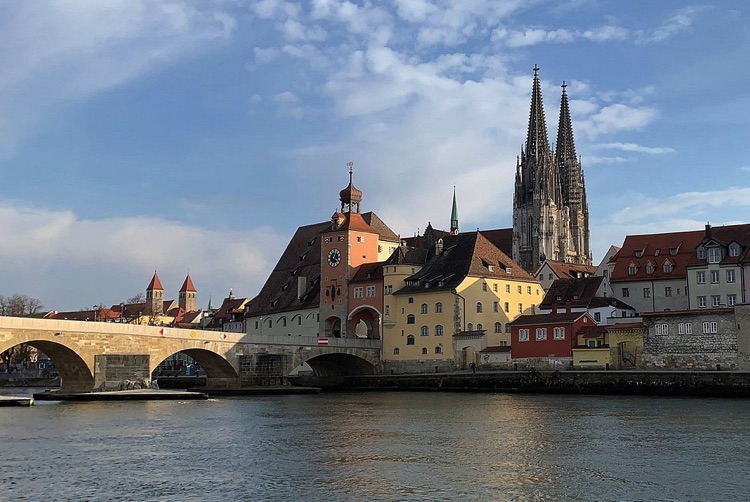
We continue to Landshut, then join Highway 15 toward Regensburg. Along the way, we meet a Bavarian family: without us asking, they allowed us to pitch our tent in their garden by the river.
The night before, they had prepared a Bavarian barbecue, and in the morning they served a hearty and genuine breakfast, a gesture of kindness that will remain in our hearts and in the memory of the journey.
The route continues along the Regen River, through green landscapes and peaceful scenery. We pass Walderbach, Roding, and finally Cham, located in the heart of the Bavarian Forest, near the border with the Czech Republic 🇨🇿.
The river flows gently beside our wheels as we approach the Czech border, ready to enter a new country and discover more corners of Europe by bicycle, always with the same wonder and freedom that accompanies those who travel on two wheels.
🇨🇿🇩🇪🇩🇰 Czech Republic and Germany – From Cham to Gedser
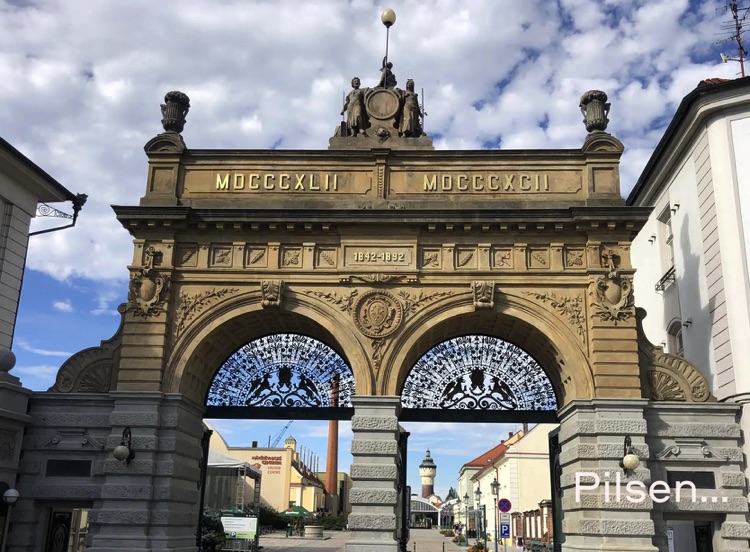
Leaving Cham 🇩🇪, we cross the border into the Czech Republic 🇨🇿 and head toward Pilsen. The route follows narrow, winding secondary roads, with constant ups and downs that make the ride engaging.
From the hills, the view opens onto green valleys, fields, and small villages, while the pavement alternates between smooth stretches and slightly uneven sections.
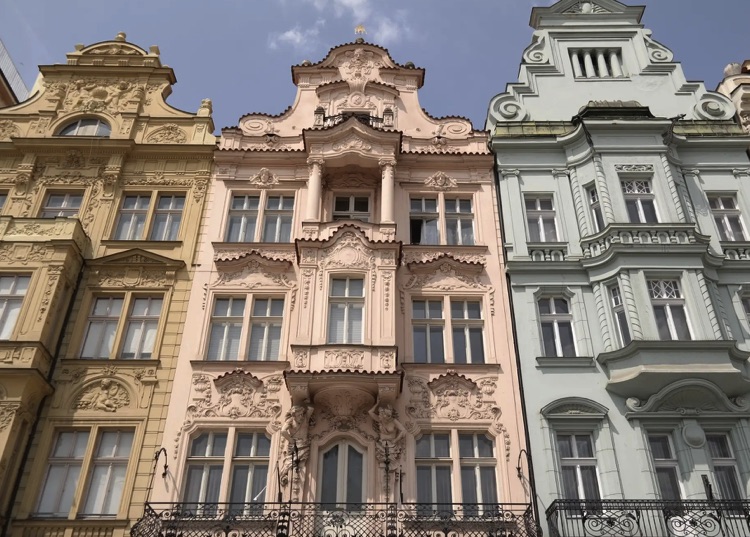
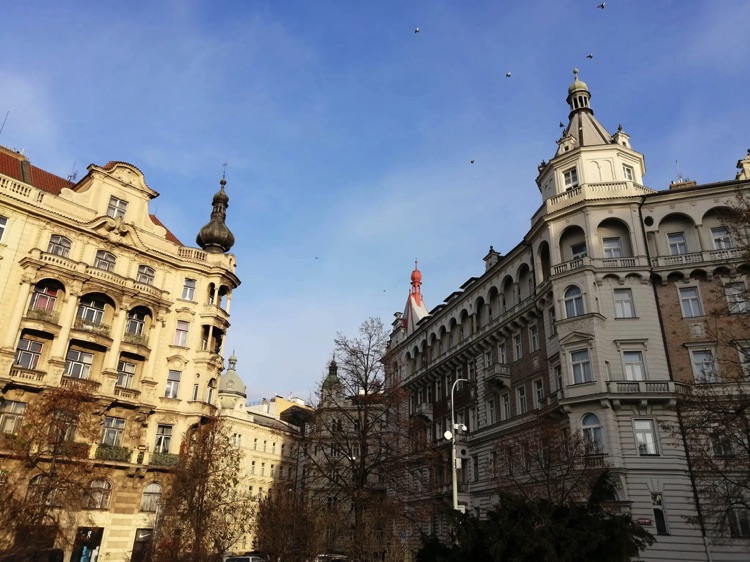
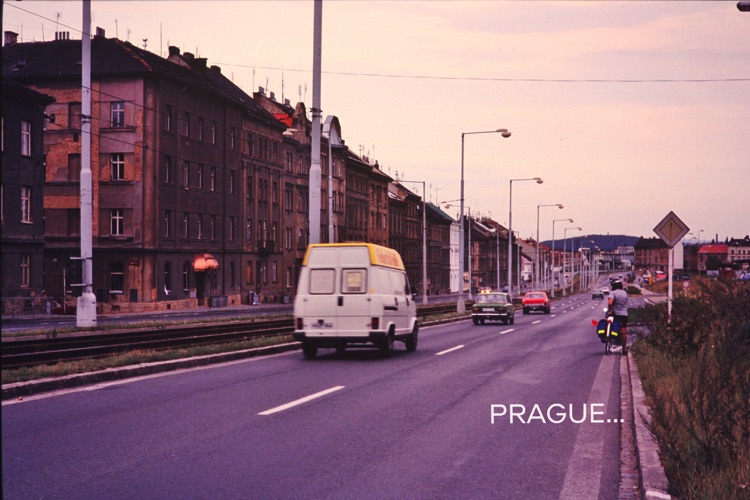
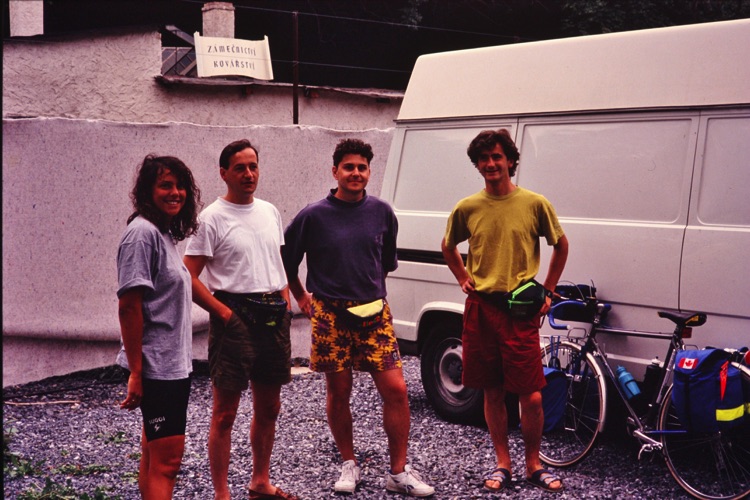
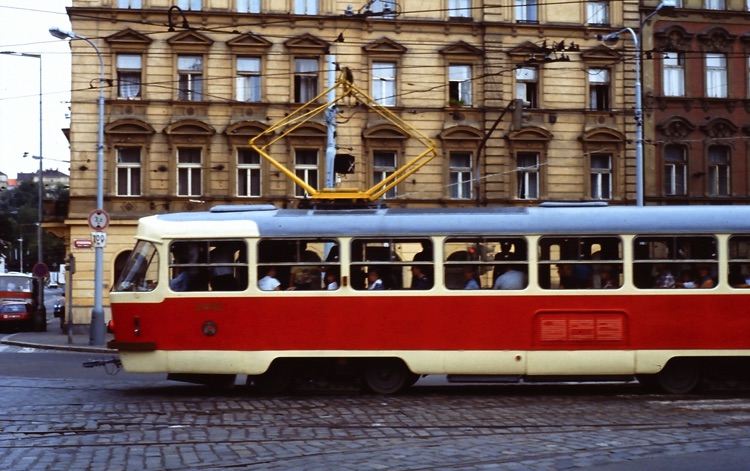
From Pilsen to Prague, the roads become very winding and hilly. Upon arriving in Prague, we leave our bicycles at the hotel and explore the city on foot. We stroll across bridges and through alleys, observing historic sights and modern curiosities.
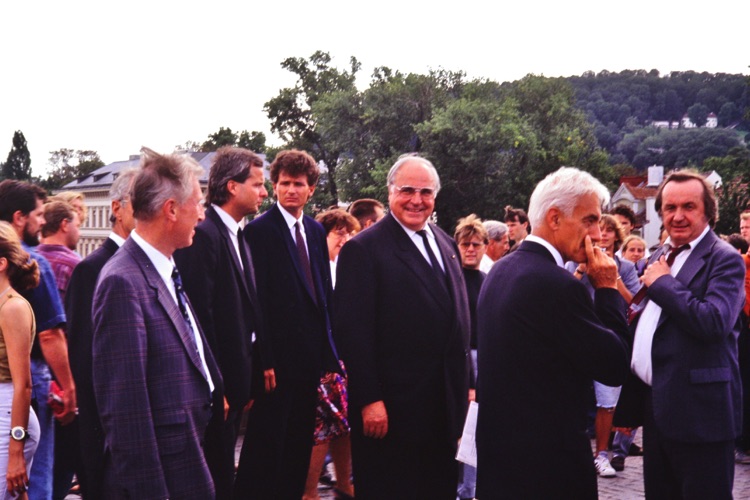
Among these, we notice Helmut Kohl, former Chancellor of West Germany, accompanied by his bodyguards, walking near one of the city’s most iconic bridges.
Back on the bike, once outside Prague, the terrain flattens, with a small pass between 300 and 400 meters. The descent toward Teplice is gentle and relaxing. Continuing across the plain, we pass fields of wheat and see locals selling potatoes, wine, and other products a genuine taste of Czech rural life.
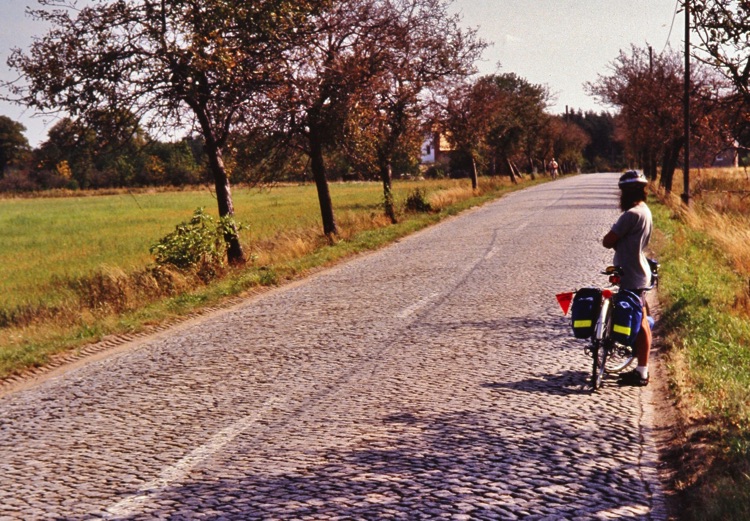
The route becomes more challenging with climbs toward Dresden and Zabeltitz, but the scenery rewards every effort: tranquil ponds, pine forests, and plantations create a pleasant alternation between nature and countryside. Roads improve progressively, although cobblestones in small town centers require careful navigation.
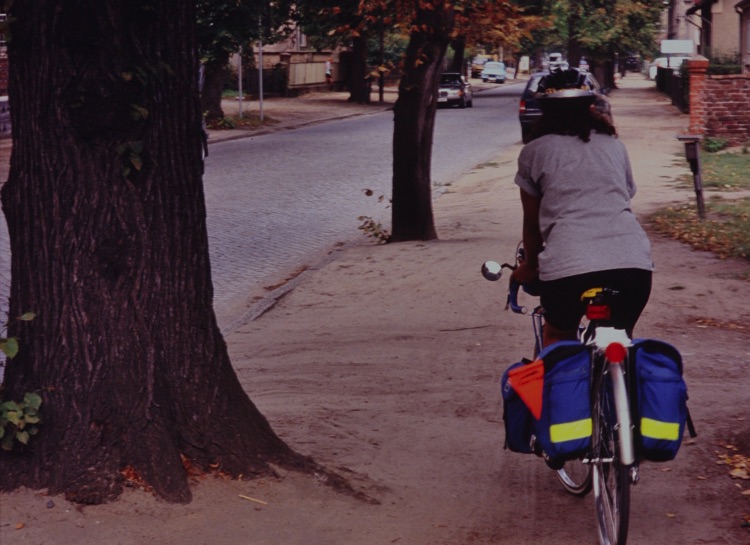
We reach Jüterbog and then take highway 101 toward Berlin 🇩🇪, a good and mostly flat road, perfect for covering kilometers without effort, though cobblestone sections in town centers require caution.
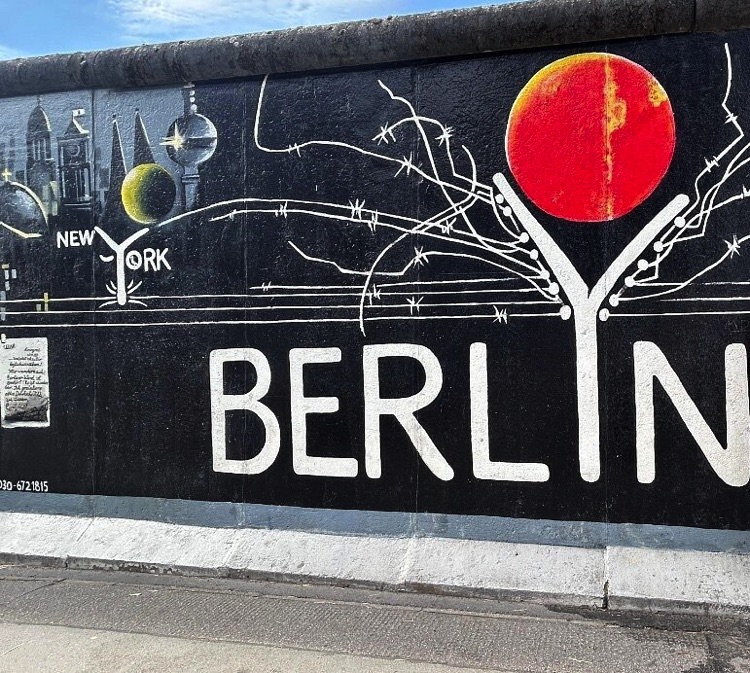
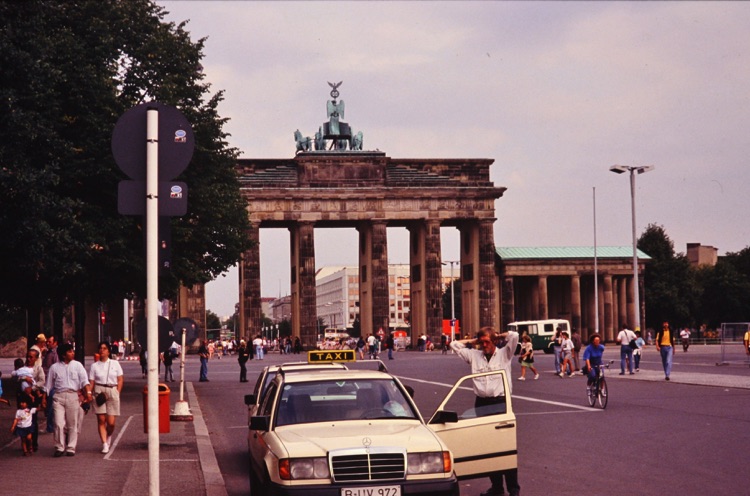
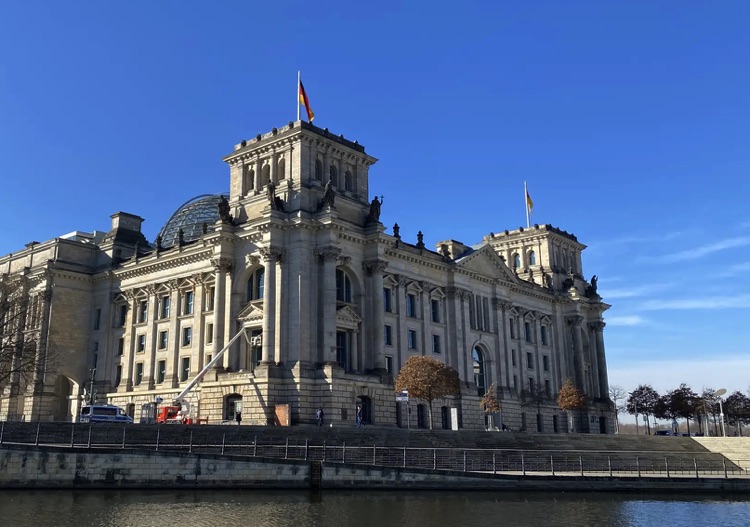
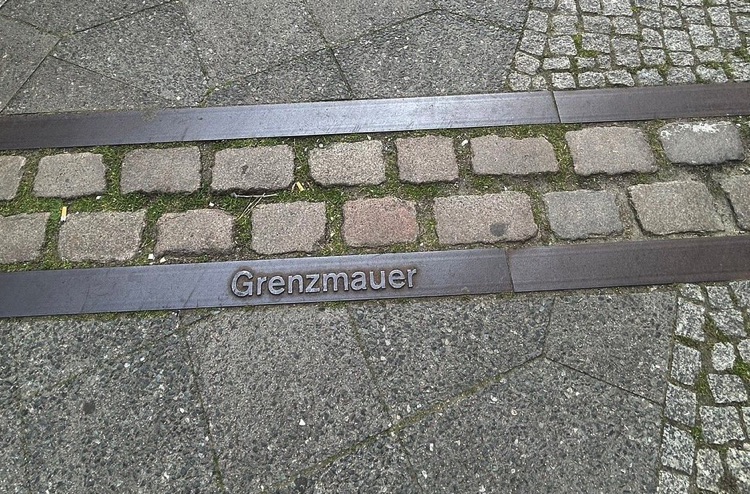
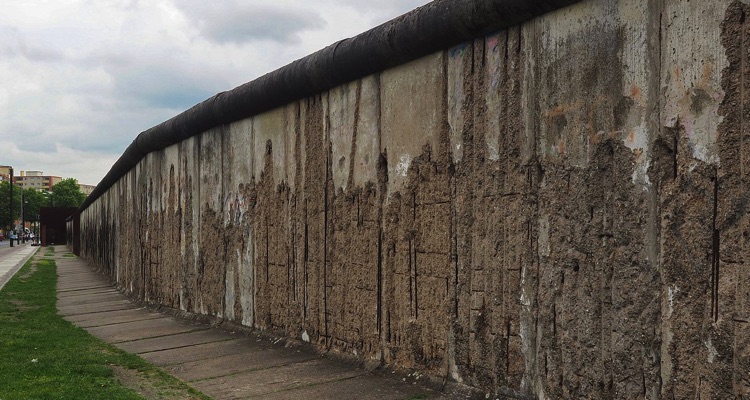
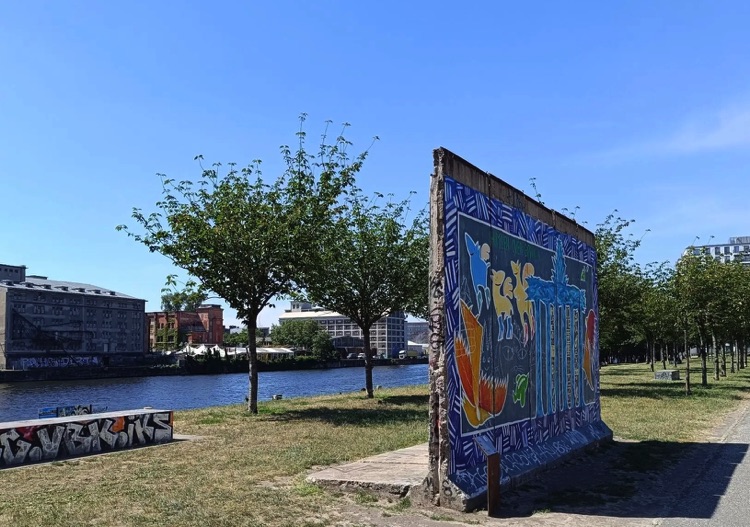
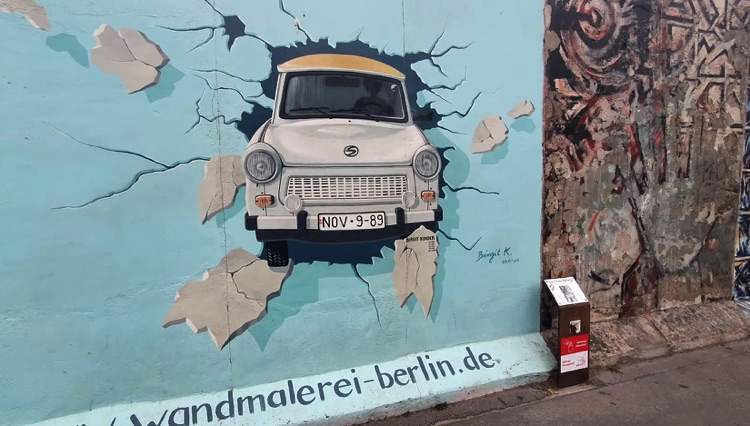
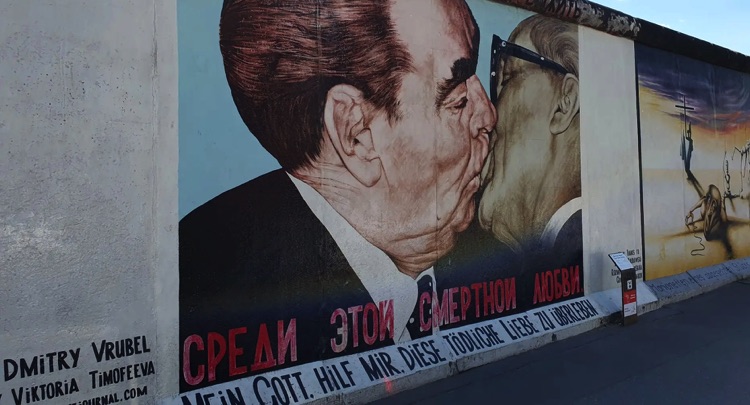
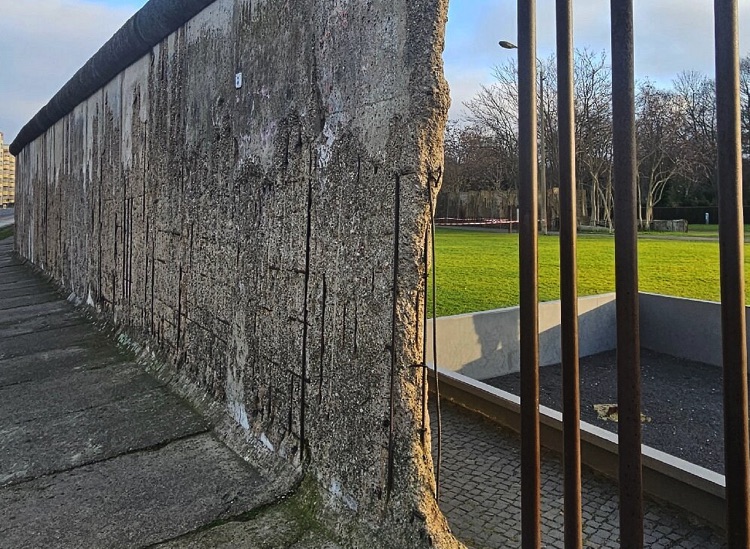
In Berlin, we allow ourselves a day of rest, exploring the city on foot and immersing in its history and culture. We admire the majesty of the Brandenburg Gate, walk along the remains of the Berlin Wall, a symbol of a past that divided Europe, and linger in the evocative Gendarmenmarkt, one of the capital’s most elegant squares. Every corner tells a story, and the city reveals itself between memory and modern life, letting us feel the living history of Germany.
We resume cycling toward Zechlinerhütte, Rostock, and finally Warnemünde, a spectacular stretch in northeastern Germany 🇩🇪 along the Baltic Sea coast. Rostock welcomes us with its maritime atmosphere and flat streets.
From Warnemünde, a ferry takes us to Gedser 🇩🇰, marking the end of this long and varied stage, through historic cities, countryside, and open sea, always accompanied by the sense of freedom that only a bicycle journey can give.
🇩🇰🇸🇪🇳🇴 Denmark, Sweden, and Norway – From Gedser to Århus
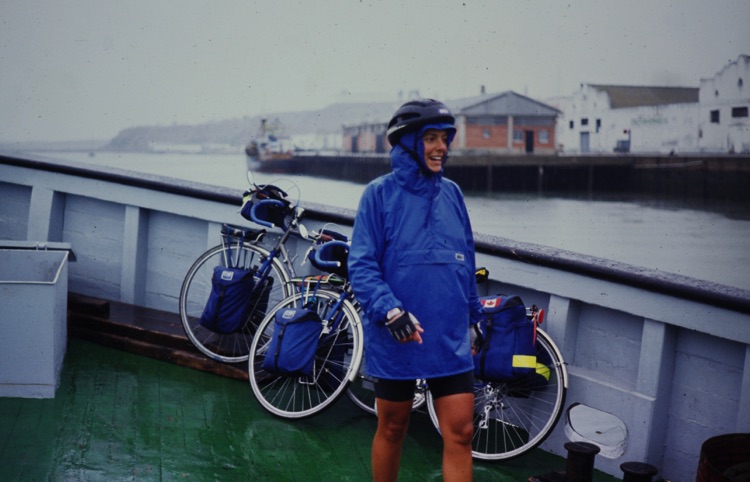
We depart from Gedser 🇩🇰 around 10:30, boarding the ferry that takes us into the heart of Denmark. As soon as we are on board, heavy rain begins, accompanied by wind and cold, but the open sea offers striking views, with waves and clouds moving swiftly. After about two hours, we dock and prepare to tackle the first stretch by bicycle.
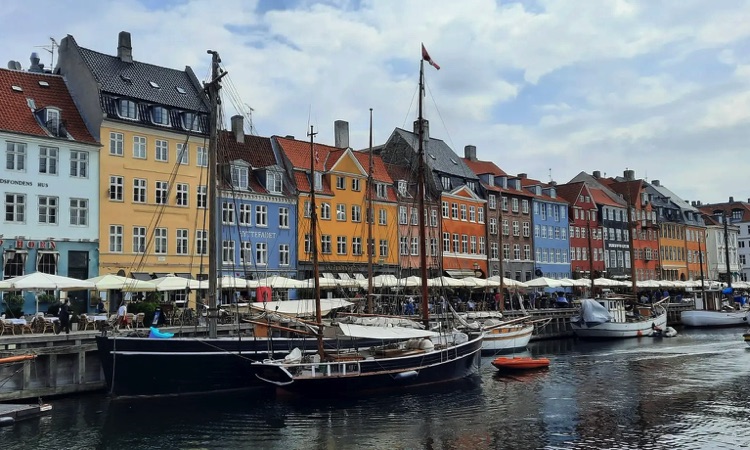
The terrain is flat, and Denmark offers an excellent network of cycle paths, perfect for a relaxed ride. We follow the coast passing through Vordingborg toward Copenhagen, also crossing Skodsberg. The rain accompanies much of the day, but the well-marked paths and low traffic make the journey safe and enjoyable.
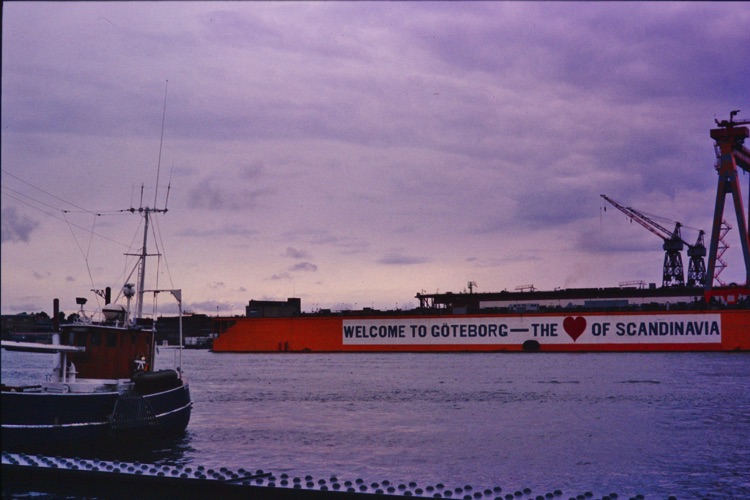
From Helsingør, we take a ferry of about 20 minutes to Helsingborg 🇸🇪 in Sweden, and resume cycling along the coast until just outside Kungsbacka, where we temporarily lose the marked route. The rain continues to fall, but the coastal scenery is spectacular: cliffs, calm bays, and picturesque villages follow one another as we pedal toward Gothenburg.
After Gothenburg, we follow the coast toward Kungälv, alternating between cycle paths and dedicated routes, immersed in a beautiful natural setting. The terrain is mostly flat, with some gentle hills, and the rain is intermittent, almost marking the rhythm of our pedaling.
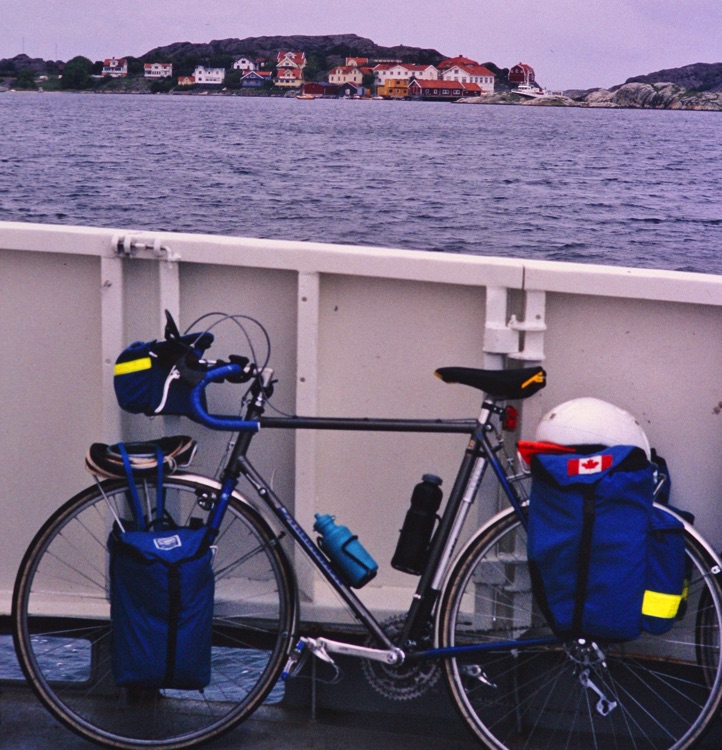
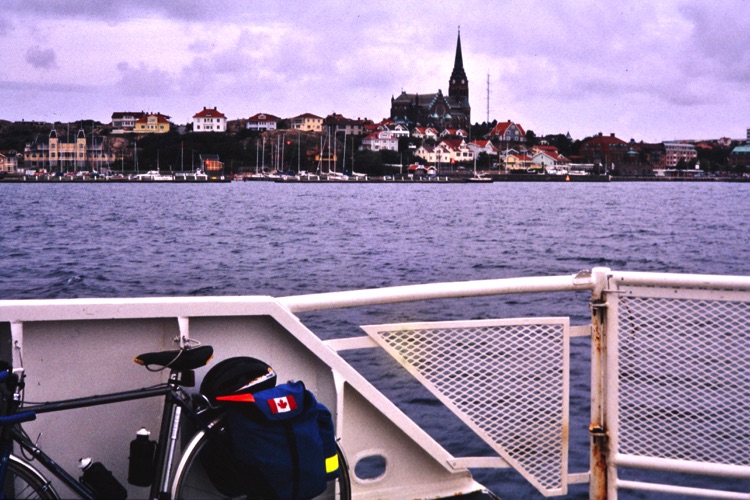
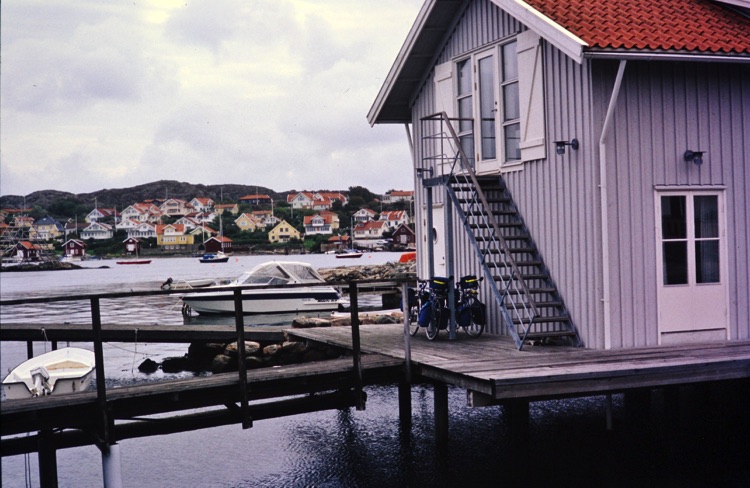
We arrive at Fiskebäckskil, a charming seaside village on the island of Skaftö, with colorful houses and traditional maritime atmospheres. From here, we take a ferry to Lysekil, located on Sweden’s west coast 🇸🇪, where Gullmarsfjorden meets the Skagerrak. We then continue toward Tanumshede on more or less flat terrain, with some slight climbs and intermittent rain.
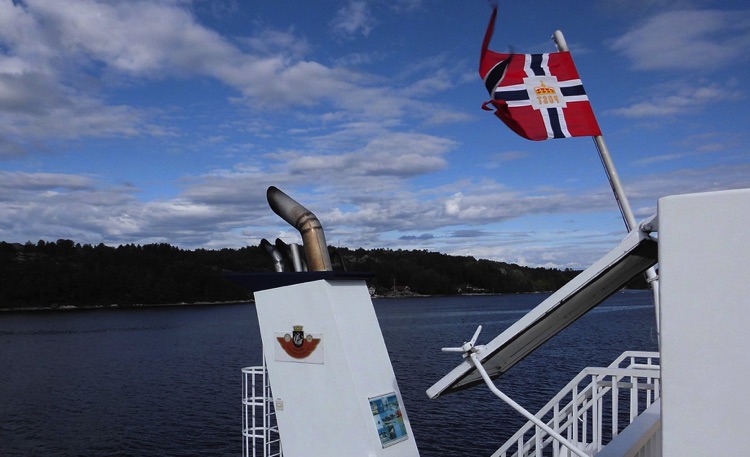
From Strömstad, we take the ferry to Sandefjord 🇳🇴 in Norway, and pedal toward Larvik along a zig-zagging coastal route, passing seaside views, fishing villages, and quiet secondary roads.
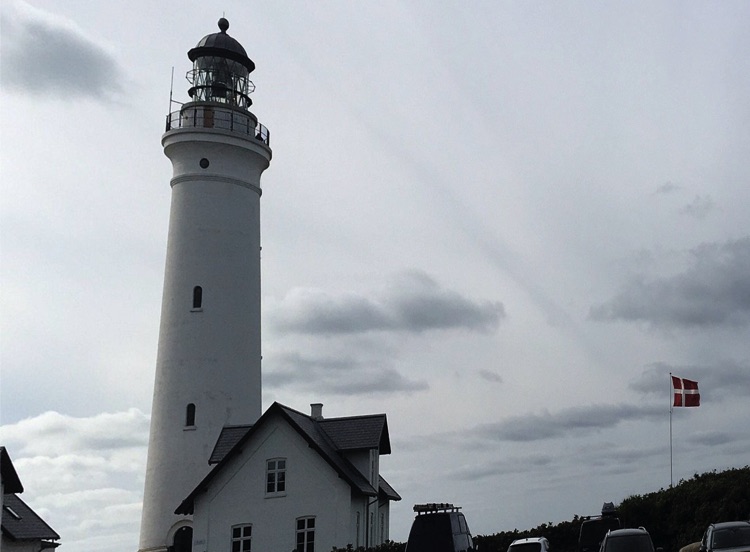
We then follow local roads to the Kragerø ferry, reaching Arendal and Kristiansand, and finally take the ferry to Hirtshals 🇳🇴, returning to Denmark on the eastern coast of Jutland, toward Århus.
Throughout this stretch, the weather was often rainy and windy, but the coastal scenery, picturesque villages, and forests made every kilometer unforgettable. Main roads and cycle paths are well-marked and safe, while detours along small secondary roads add charm and variety to the cycle touring experience, turning the journey into a continuous story of adventure, nature, and discovery.
🇩🇰🇩🇪🇳🇱🇧🇪🇫🇷 Denmark, Germany, Netherlands, and Belgium – From Århus to Maubeuge
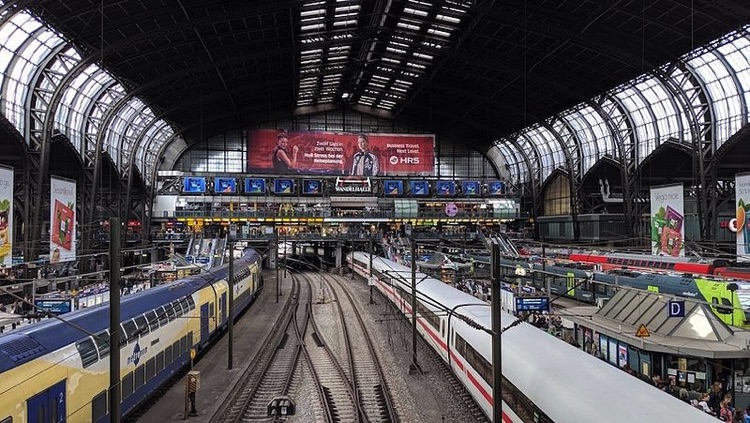
After a short ferry, we re-enter Denmark 🇩🇰, arriving in Århus. The weather remains cold and rainy, so we decide to take a train to cover the stretch toward Germany more quickly. The train journey takes us first to Hamburg 🇩🇪 and then to Amsterdam 🇳🇱 in the Netherlands.
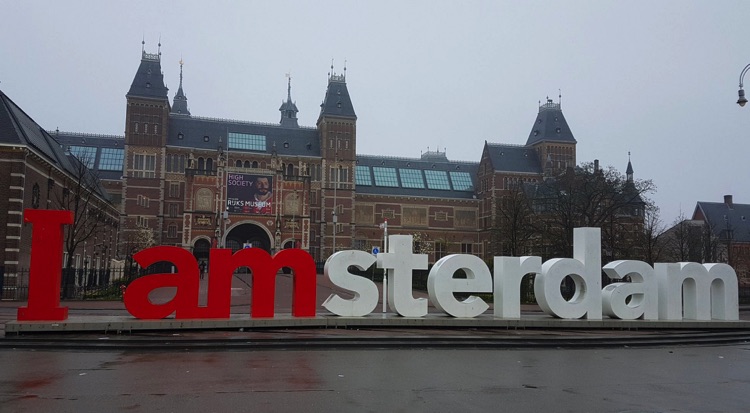
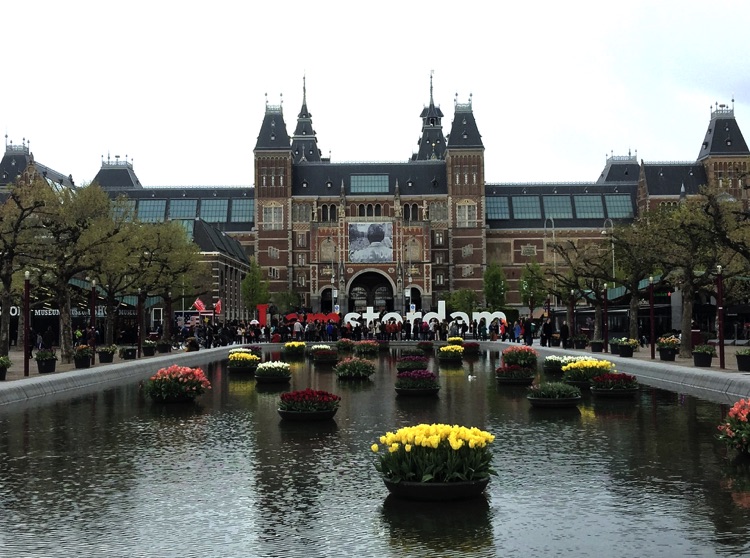
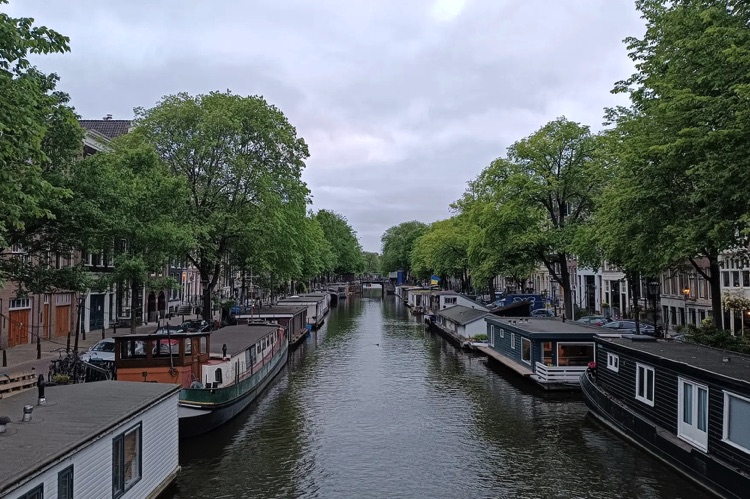
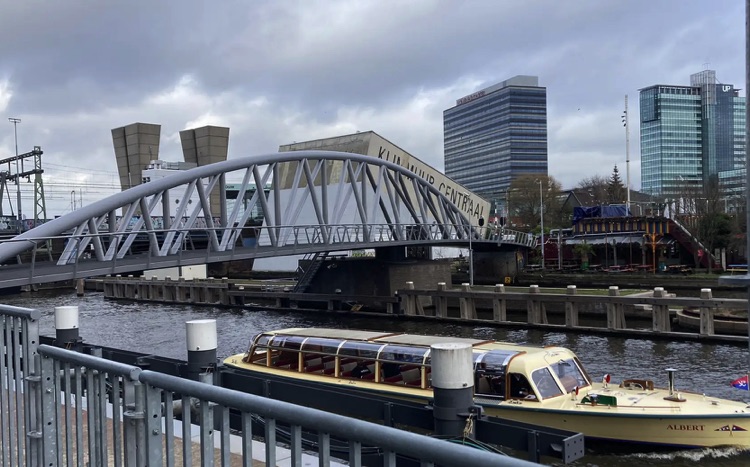
Arriving in Amsterdam, the rain shows no sign of stopping. Despite the gray and damp weather, we stroll in the late afternoon along canals and bustling streets, savoring the city’s unique atmosphere, with bicycles everywhere and narrow houses with steep roofs.
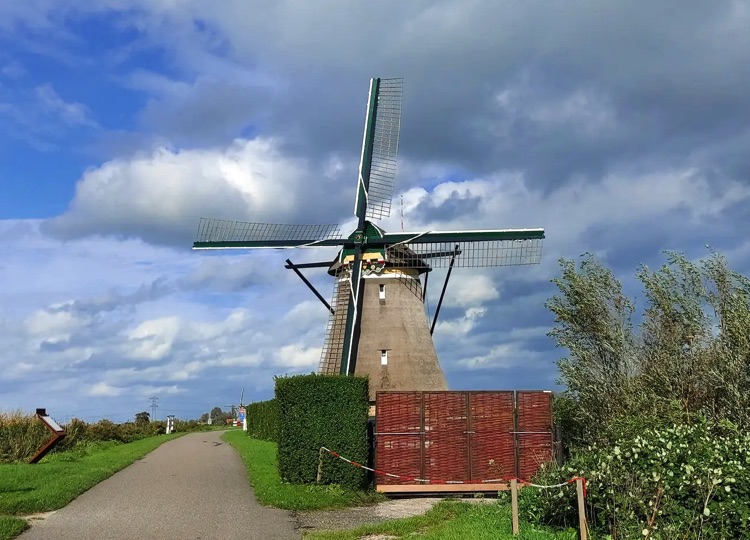
The following day, we resume cycling, facing heavy rain along the route toward Haarlem, then continuing to Dirunell, through urban and rural landscapes typical of the Netherlands.
We proceed via Rotterdam to Breda in the southern part of the country. The roads are mostly flat and bike-friendly, perfect for pedaling even in the rain, but the adverse weather makes the ride a true test of endurance, where every meter covered feels like a small triumph of perseverance and determination.
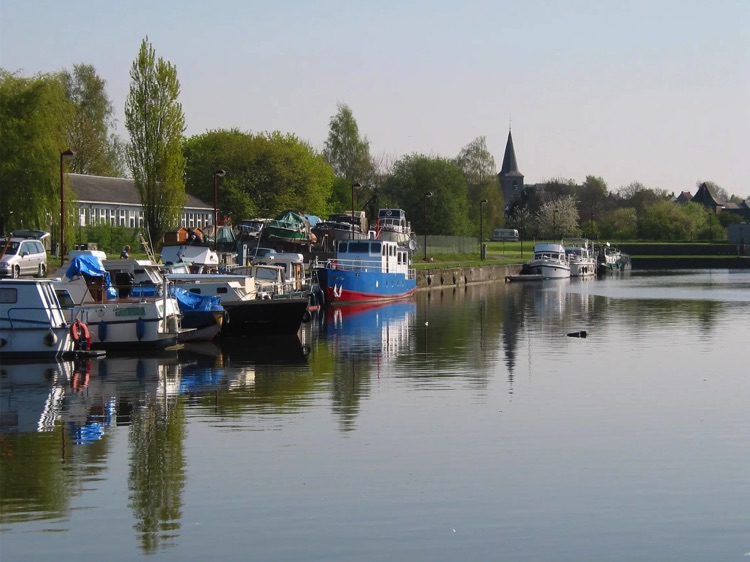
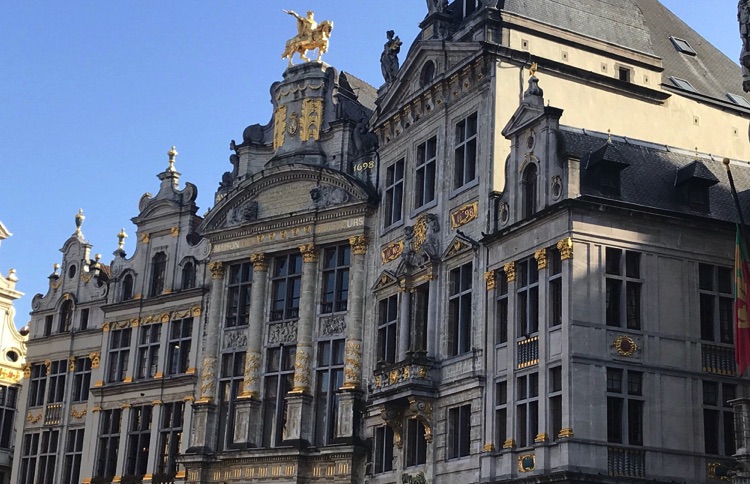
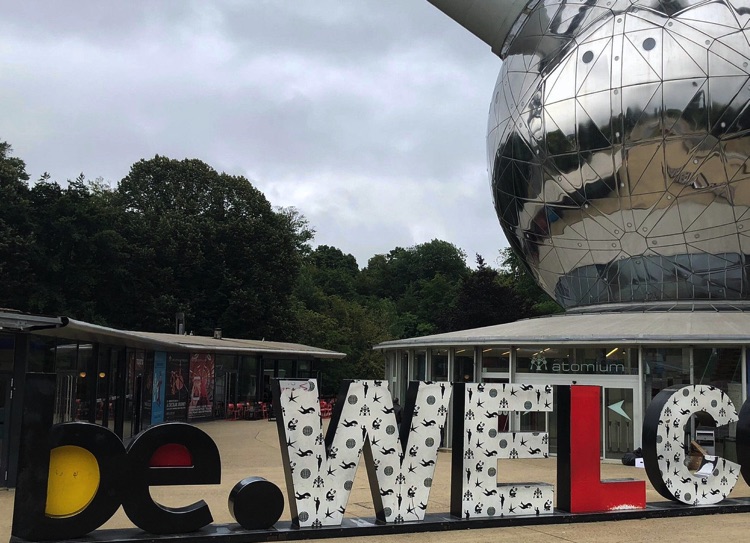
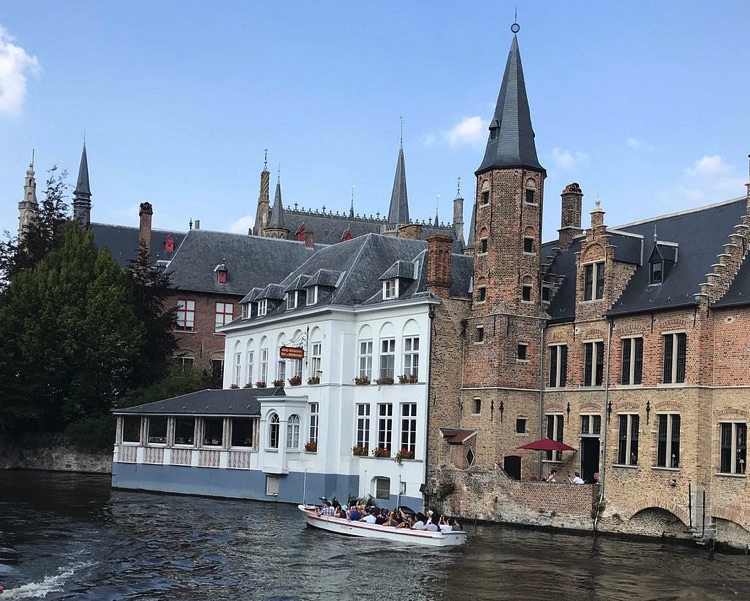
We then enter Belgium 🇧🇪, riding along the outskirts of Antwerp and through the city center, observing historic and modern sights, from lively squares to welcoming alleys. The journey continues toward Brussels, with stops to admire city views, then onward to Mons, and finally reaching Maubeuge 🇫🇷 in France.
Despite the persistent rain, the sense of freedom and adventure remains constant. The cycle paths, urban and rural landscapes, villages, and historic cities follow one another, transforming every kilometer into an intense and memorable experience.
Cycling here means feeling the heartbeat of Europe, amidst diverse cultures, surprising architecture, and the pure joy of moving under our own power, always forward, always on the journey.
🇫🇷 France – From Maubeuge to Cerbère, at the Spanish border
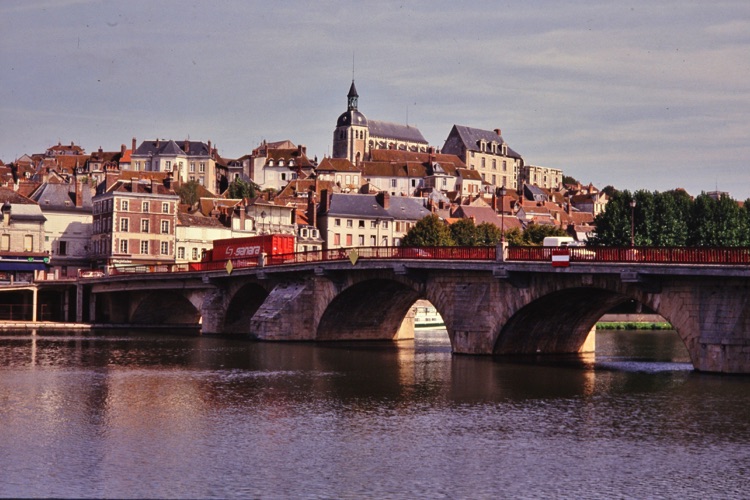
Leaving Belgium 🇧🇪, we find ourselves in Maubeuge, a small town in northern France situated on the Sambre River, near the Belgian border. From here, our bicycles take us along quiet roads southeast toward Laon, famous for its magnificent 12th-century cathedral that dominates the town from atop the hill.
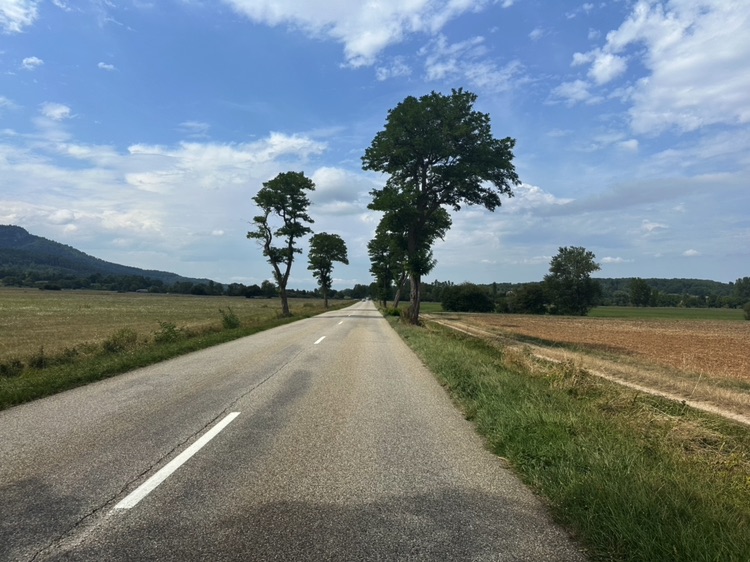
The route continues along nearly deserted country roads toward Sézanne and Nogent-sur-Seine. Here, the ride is steady and relaxing: the gently rolling terrain allows us to quickly settle into the rhythm of traveling through northern France. Fields and small villages pass beneath our wheels, while the sun illuminates the landscape, accompanying every breath of freedom.
We then tackle a few small hills toward Varzy, passing through Auxerre, where the terrain alternates between gentle climbs and flat stretches. Valleys open up, lit by sudden sunbreaks that enhance the colors of the French countryside. The landscape is a mosaic of fields and timeless villages, inviting pauses to take it all in.
We continue toward Nevers and then Moulins, following secondary “D” roads that guide us unhurriedly through sun, wind, and natural landmarks. From Moulins, we reach Vichy, then Puy-Guillaume and Clermont-Ferrand, amid ancient mountains and winding roads. Short climbs and flat valley stretches make each pedal stroke a playful balance of effort and visual reward.
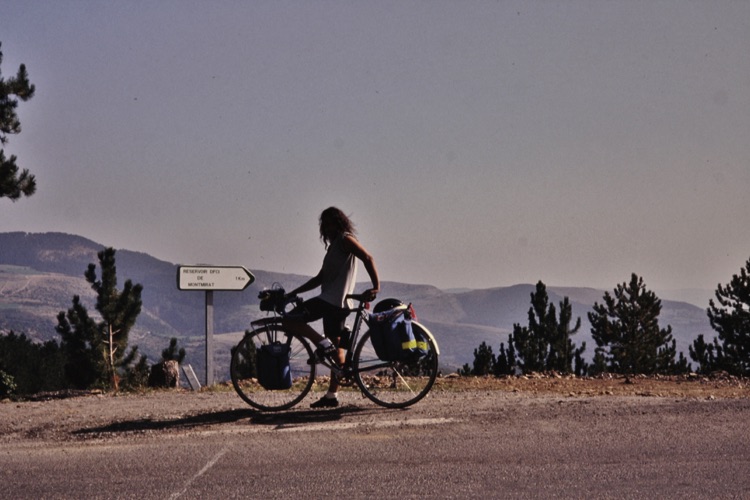
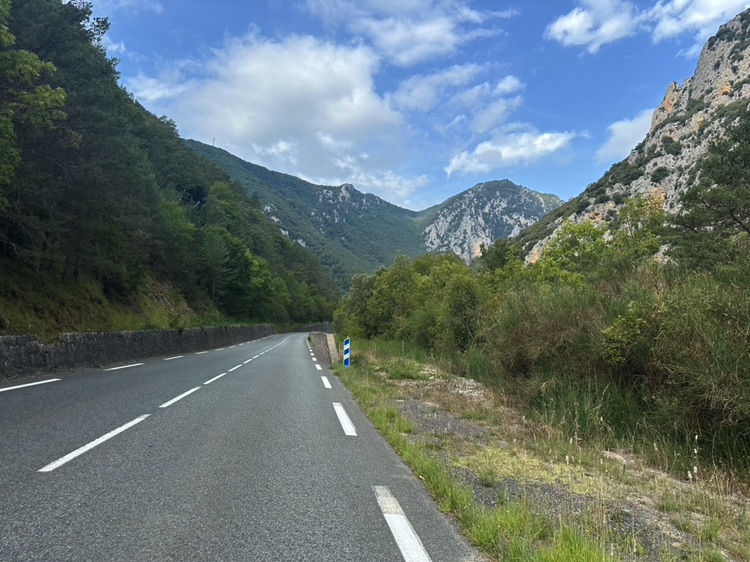
We cross the hills of the Massif Central to Grandieu, riding across flat plateaus dotted with pine forests and small settlements. The descent to Mende is steep but thrilling, before climbing again toward Florac, then descending once more to Alès, where the landscape takes on a more Mediterranean feel, sunny and warm.
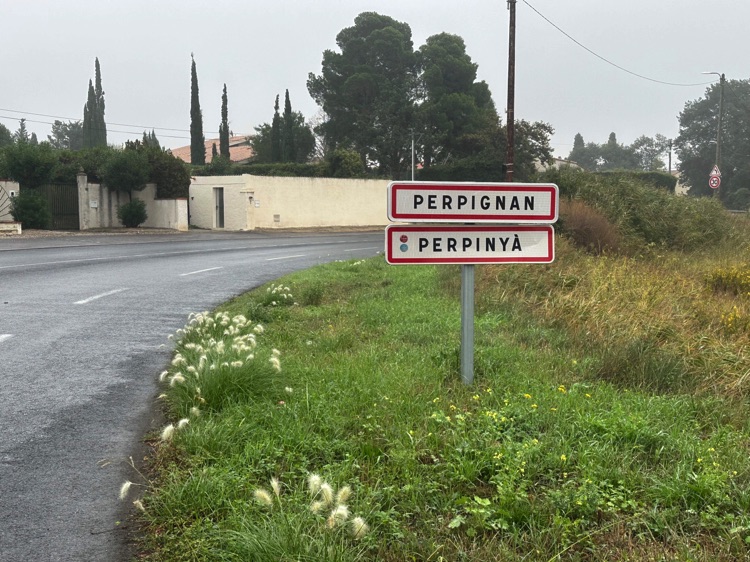
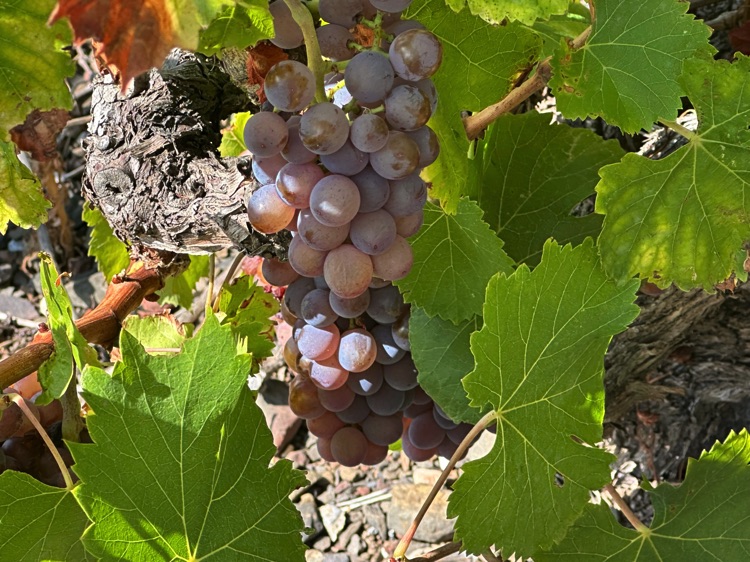
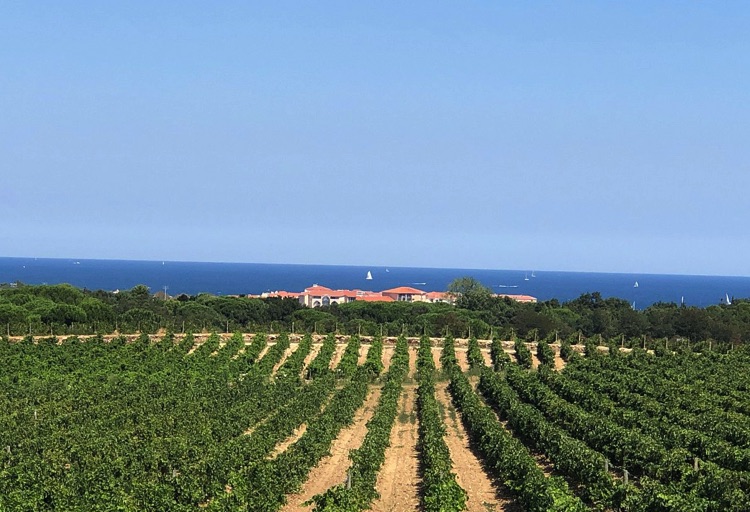
The final stretch toward Béziers and Perpignan, cities in the Pyrénées-Orientales, immerses us in gentle hills, vineyards, and olive groves, with the scent of summer accompanying every pedal stroke.
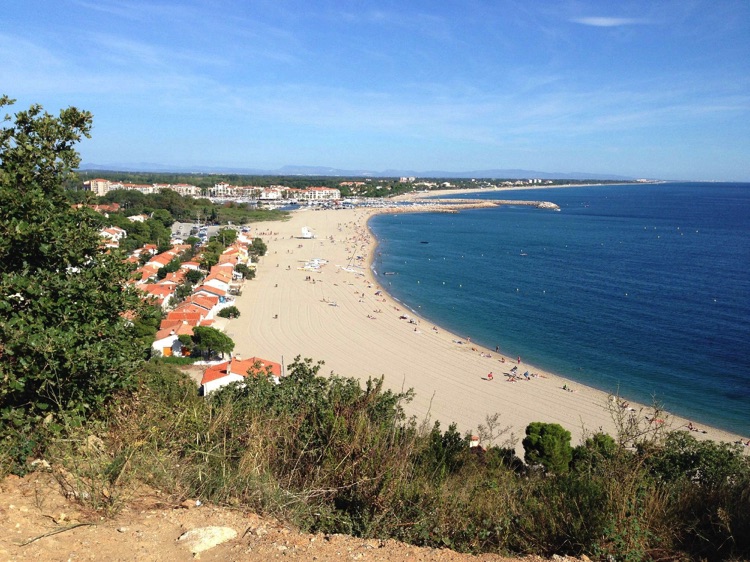
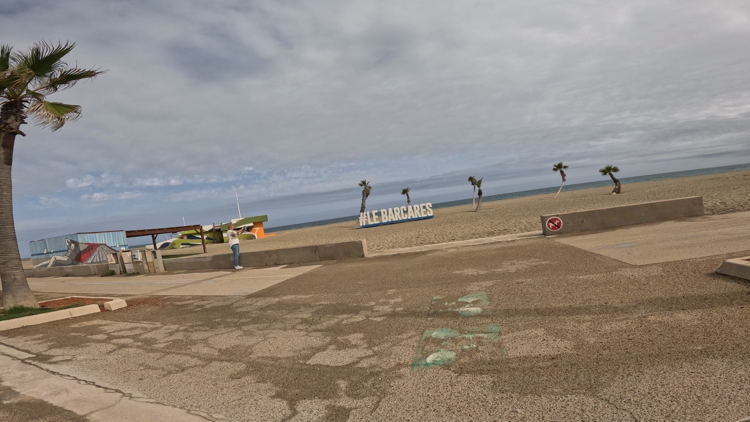
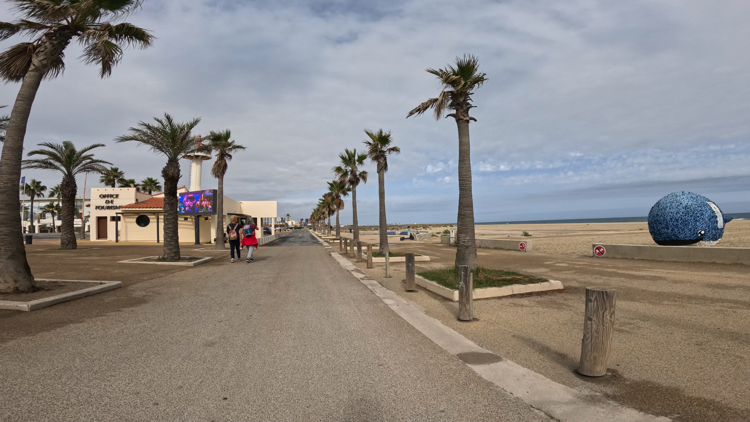
Passing through Argelès-sur-Mer and Collioure, the picturesque seaside villages greet us with the deep blue of the Mediterranean blending with the green hillsides and red rooftops. In Port-Vendres and Banyuls-sur-Mer, the scenery becomes rockier and wilder, with hidden coves and cliffs alternating along the coast.
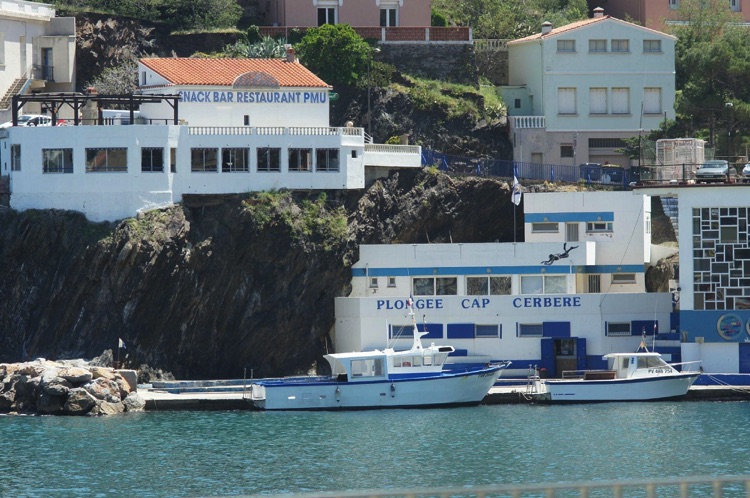
The last climb brings us to Cerbère, the southernmost town of continental France. Here, the view opens onto the Mediterranean horizon and marks the border between two worlds, foreshadowing our entry into Spain 🇪🇸.
The terrain alternates between gentle climbs and flat stretches, while olive groves, pine forests, and vineyards complete the Mediterranean scenery that will accompany us along the Iberian coast.
Despite the days fluctuating between cloudy and sunny, the sense of freedom and adventure accompanies every pedal stroke. Picturesque villages, quiet roads, and landscapes that change with every curve make each kilometer a unique moment of discovery and wonder, as if northern France is gradually handing us over to the Mediterranean charm of the south.
🇪🇸 Spain – From Cerbère to Barcelona: Along the Costa Brava and the Mediterranean
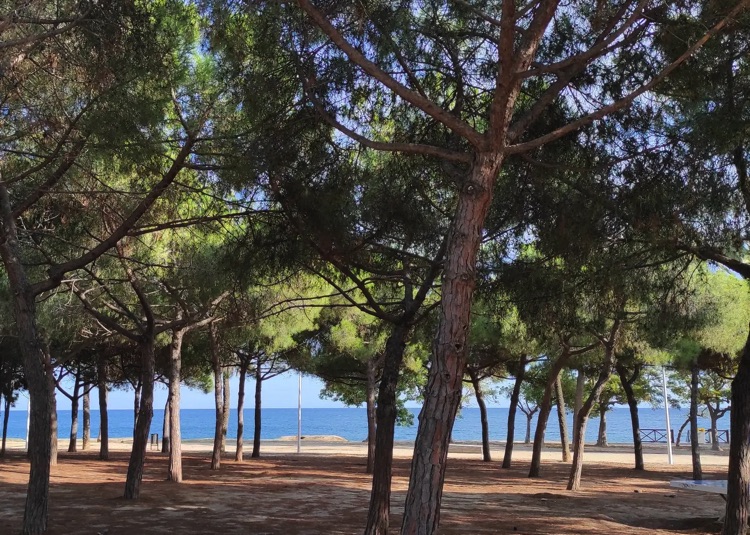
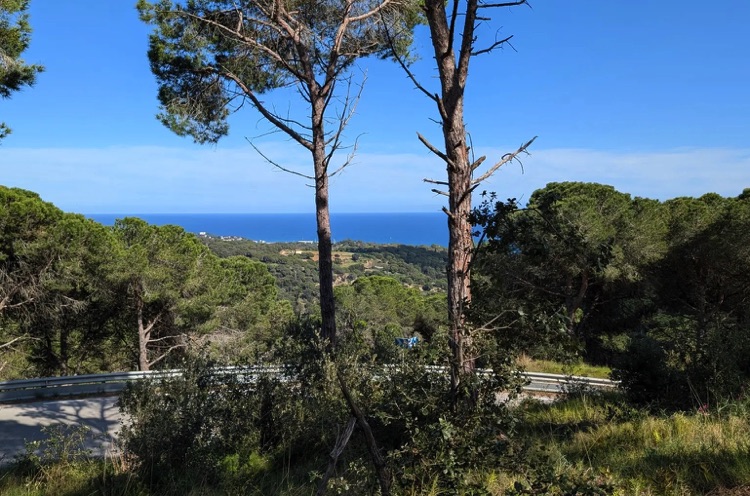
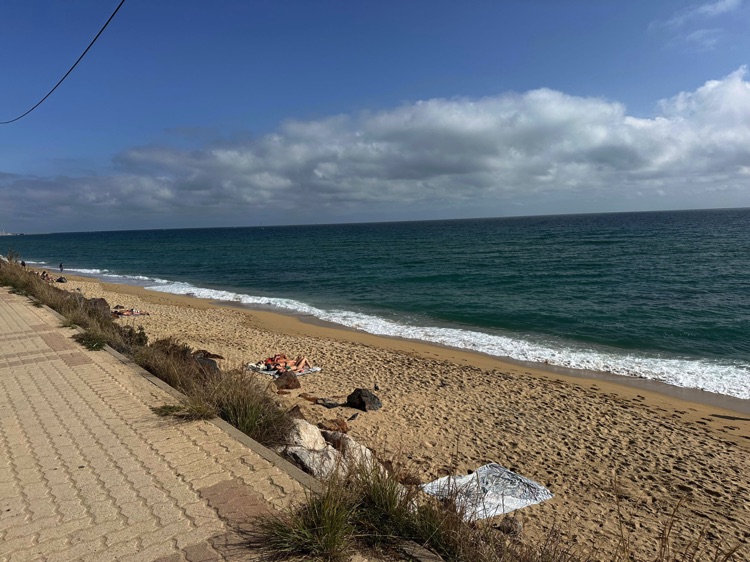
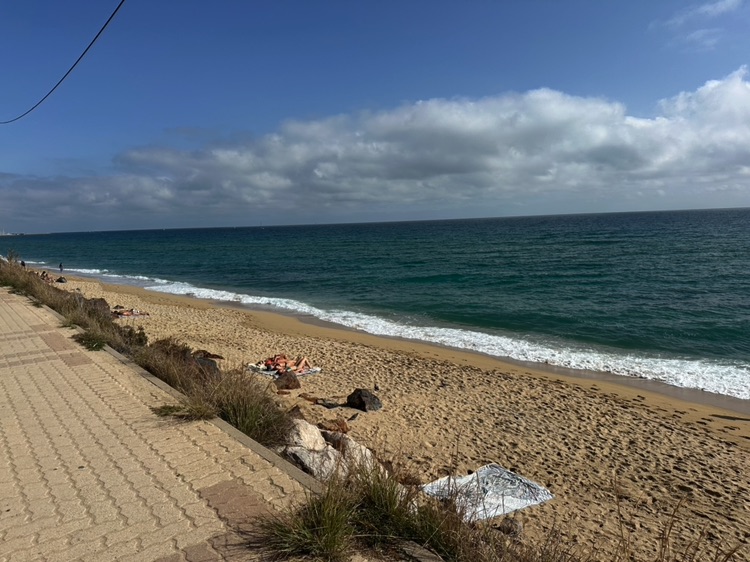
Leaving Cerbère and the French border, our bicycles take us southeast along the stunning Costa Brava, where the Mediterranean immediately reveals its full intensity: turquoise waters, hidden bays, and steep cliffs alternating with sandy beaches and picturesque fishing villages.
The coastal road leads us to Portbou, a quiet village just past the border, and then to Colera and Platja de Garbet, where we stop to admire the calm sea and the golden light reflecting on the waves.
The terrain alternates between flat stretches and gentle climbs, amid olive groves and Mediterranean scrub, while the scent of pines and salt air accompanies every pedal stroke, making the rhythm of the wheels harmonious and light.
Continuing south, we pass through Llançà, with its white houses and tranquil beaches, before reaching Castelló d’Empúries, an ancient medieval village nestled among fields and canals. The road then takes us to Palafrugell, among small coastal towns, and later to Palamós, a renowned fishing port with fine sandy beaches. Here, we take a contemplative break, watching the boats gently sway and breathing in the relaxed atmosphere of the Costa Brava.
The ride continues along the coast, through pine forests and hidden coves, until Mataró, where the surroundings become more urban but still bike-friendly. The colors of the sea intense and transparent blue light waves, and the scent of salt accompany us toward Barcelona, a vibrant and cosmopolitan city, where we leave our bicycles at the hotel and explore on foot its architectural and cultural wonders.
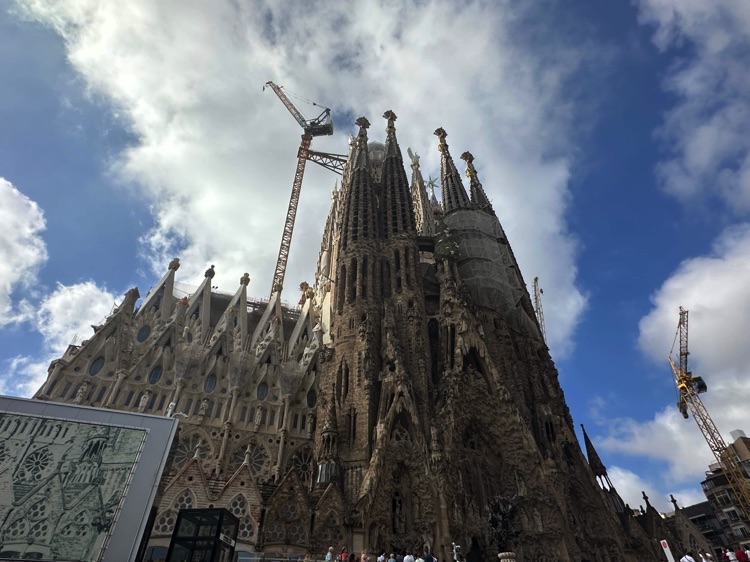
We cannot miss the Sagrada Família, Gaudí’s masterpiece: columns reminiscent of trees, luminous stained glass, and colors that spread energy, creating a unique experience. From the viewpoint, the city unfolds between sea and mountains, offering a breathtaking view of the urban landscape and the Mediterranean.
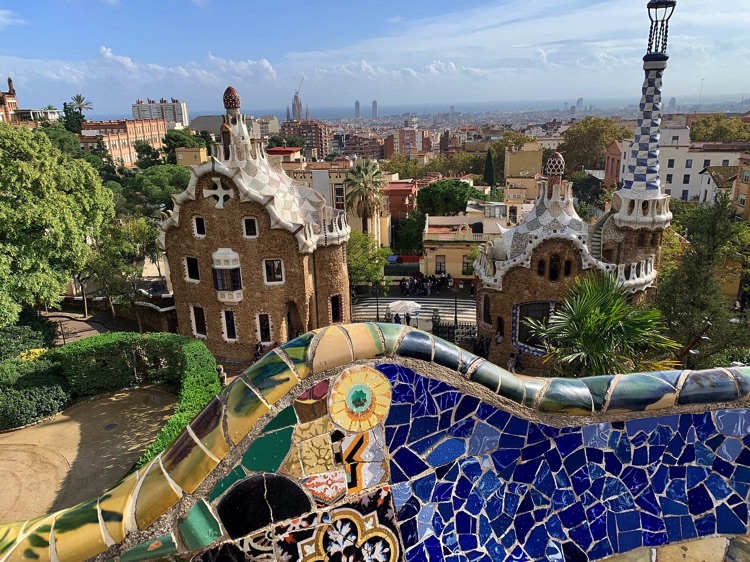
We also stroll through Parc Güell, with its colorful mosaics and sinuous forms, and in front of Casa Batlló and Casa Milà, marveling at the architect’s creative genius. Walking through squares, markets, and historic neighborhoods allows us to experience the city with all our senses, surrounded by scents, colors, and the vitality of a Mediterranean metropolis.
The following day,, our bicycles await for the next adventure: the ferry to Majorca, ready to explore new islands, crystal-clear seas, and breathtaking landscapes, carrying with us the memory of the Costa Brava, among picturesque villages, clear waters, and quiet roads that tell stories of sea and lland.
🇪🇸🇧🇦🇲🇦 Spain and Balearic Islands – From Barcelona to Tarifa, with excursions to Gibraltar and Tangier
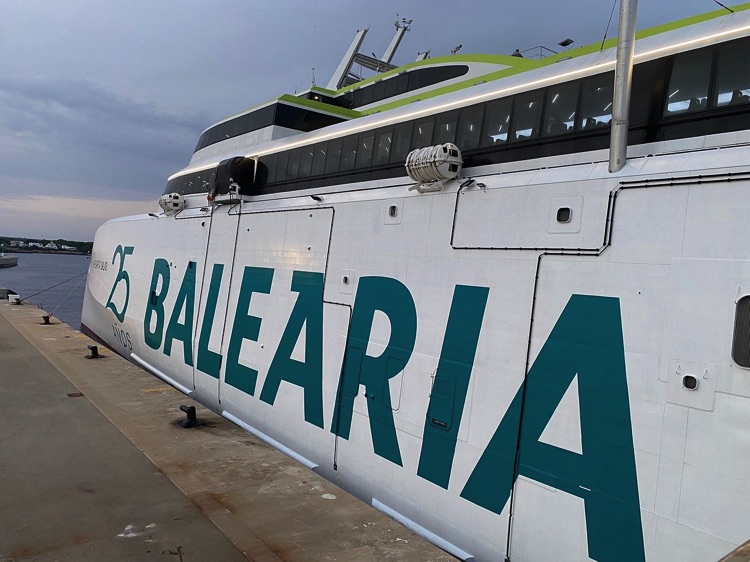
From the port of Barcelona 🇪🇸, we leave the mainland behind, ready for a new adventure at sea. The ferry, lasting about eight hours, takes us to Majorca 🇧🇦, the largest of the Balearic Islands, welcoming us with warm Mediterranean light and the scent of pines mixed with the salty breeze.
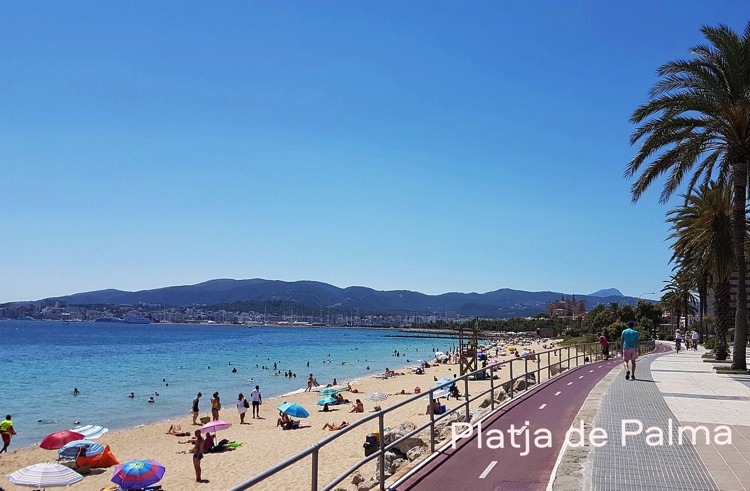
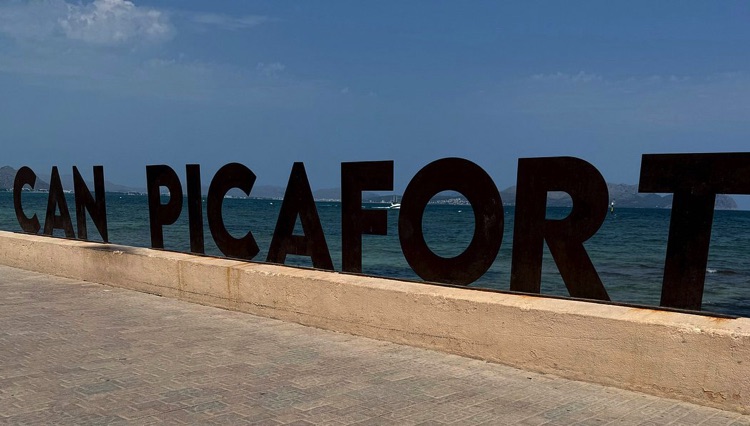
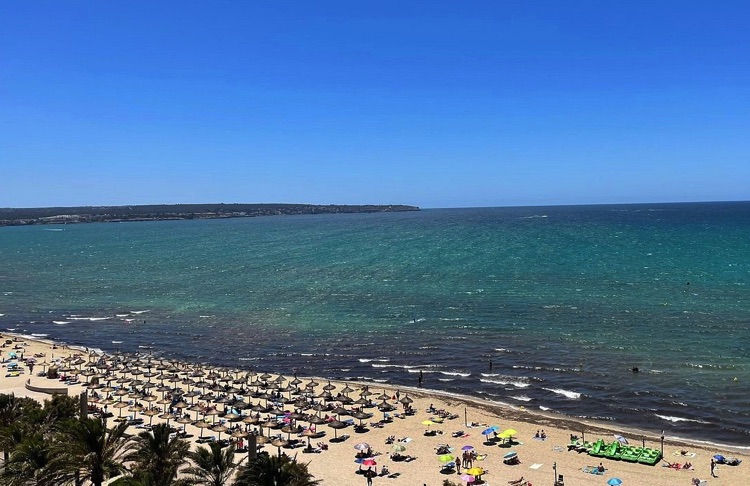
The island reveals itself as a mosaic of landscapes: sandy beaches and hidden coves alternate with steep mountains and quiet villages. We pedal from Palma de Mallorca to Santanyí, then Sentiuella and Can Picafort, reaching Platja de Palma.
The roads are paved and quiet, winding through olive groves, almond trees, and turquoise waters. The sun accompanies every pedal stroke, turning the journey into a slow exploration, full of sights, scents, and moments of silence.
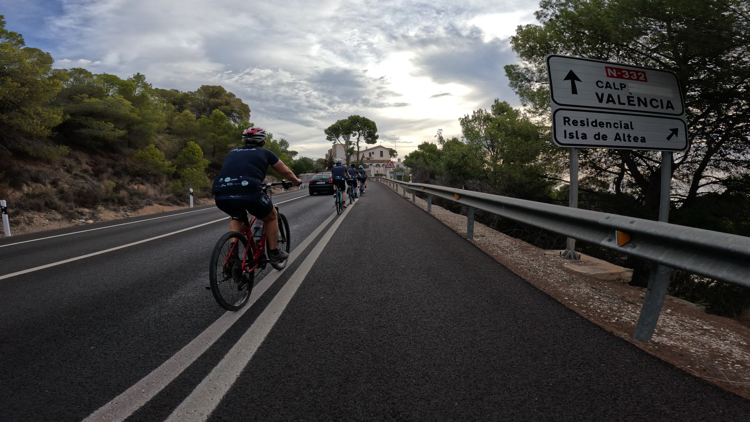
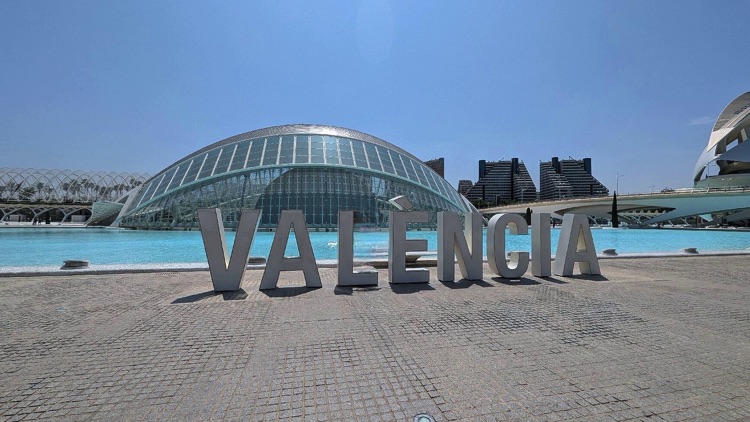
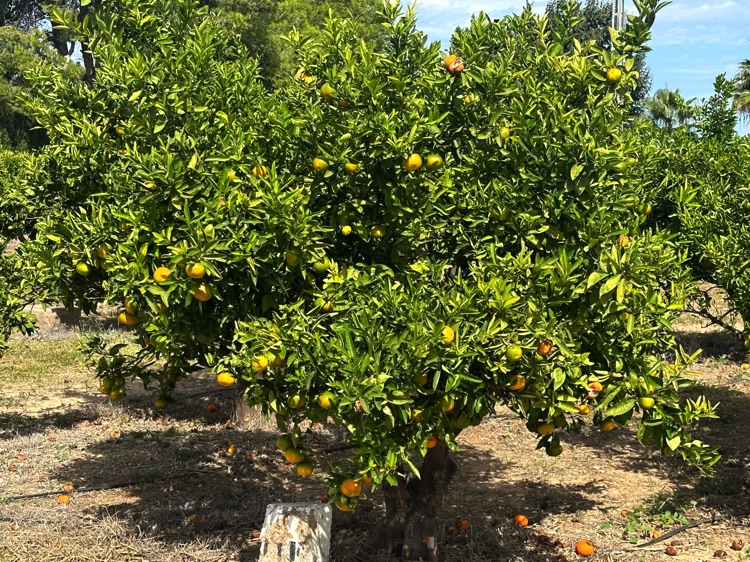
From Palma’s port, another ferry brings us back to the mainland, arriving in Valencia 🇪🇸 along Spain’s eastern coast. Here we follow the coast southeast, passing Denia, amid orange groves and wheat fields, and gently climbing towards Cap de la Nao, where the wind carries the scent of the ocean.
The road softens towards Villajoyosa, with golden beaches and fishing villages, before continuing to Torrevieja, on a flat stretch lined with fig, cotton, and date plantations.
A gentle climb leads us to Mazarrón, through valleys and quiet secondary roads, then towards Garrucha and Almería, where the landscape becomes arid, almost desert-like. From here the route heads inland: Gádor, Laujar de Andarax, Ugíjar, and finally Trevélez, amid citrus orchards, almond trees, and pines. The mountains offer breathtaking views of wide, silent valleys, with small white villages scattered like shells on the rocks.
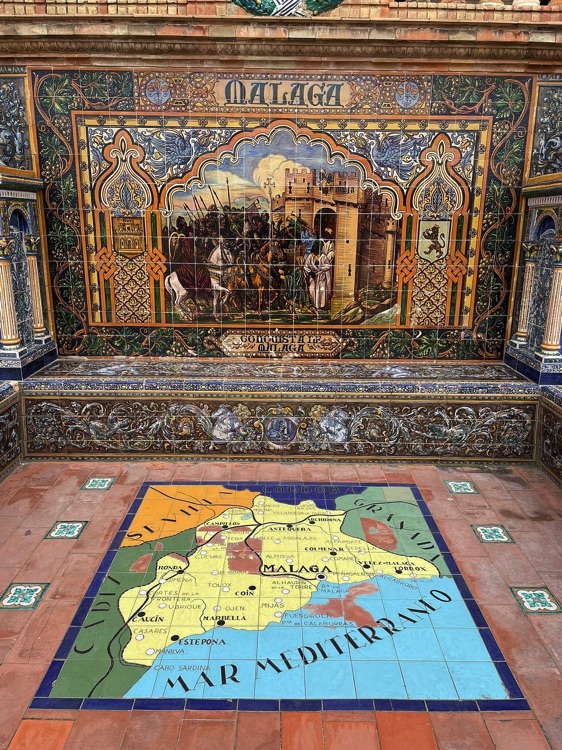
Descending towards Órgiva and Lanjarón, we slowly return to the coast. Passing Motril and Almuñécar, the coastline stretches under the sun to Málaga and Torremolinos. Traffic increases along the N-340 towards Marbella, but the sea remains beside us, sparkling, as the journey flows through beaches, resorts, and the warm scent of sand.
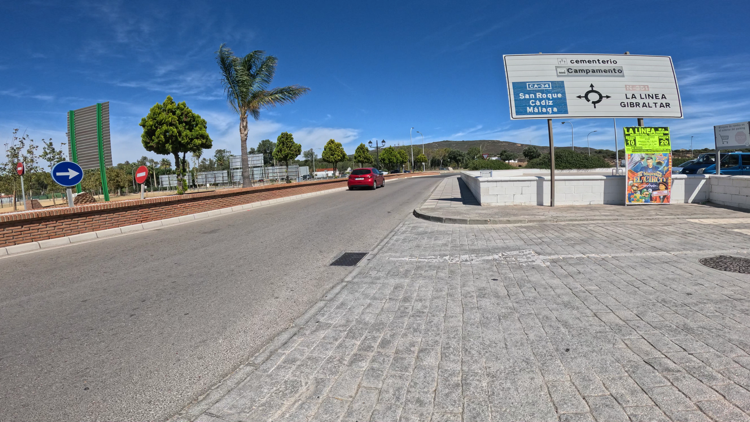
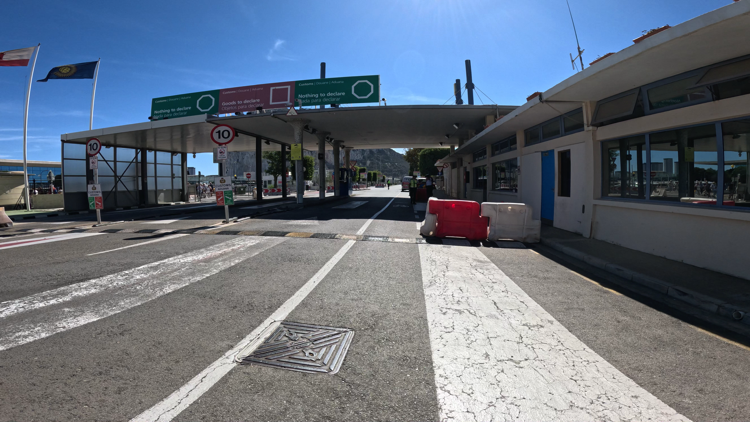
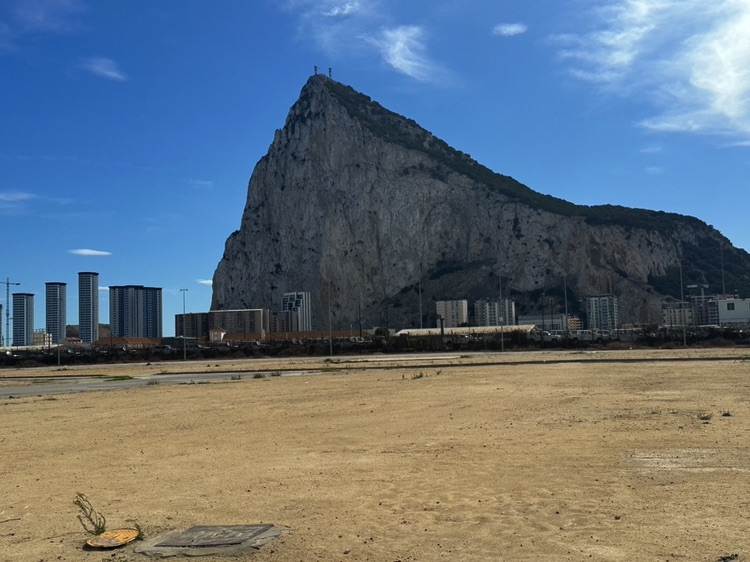
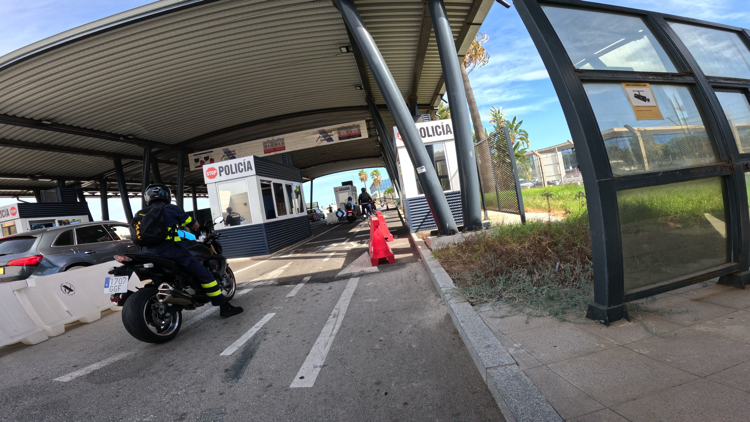
We continue to La Línea de la Concepción, home to the famous British territory of Gibraltar 🇬🇧, marking the natural border between Europe and Africa. Entering the city is a unique experience: to reach it, we cross the airport runway, where the road slices across the tarmac like a bridge between two worlds.
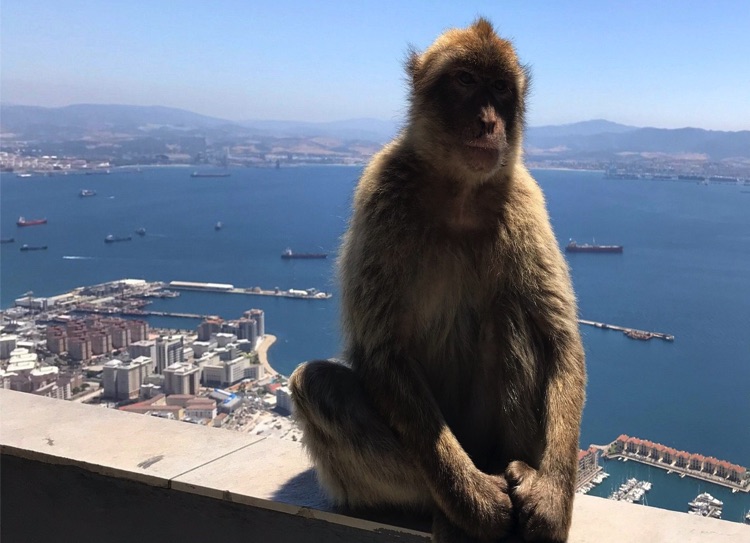
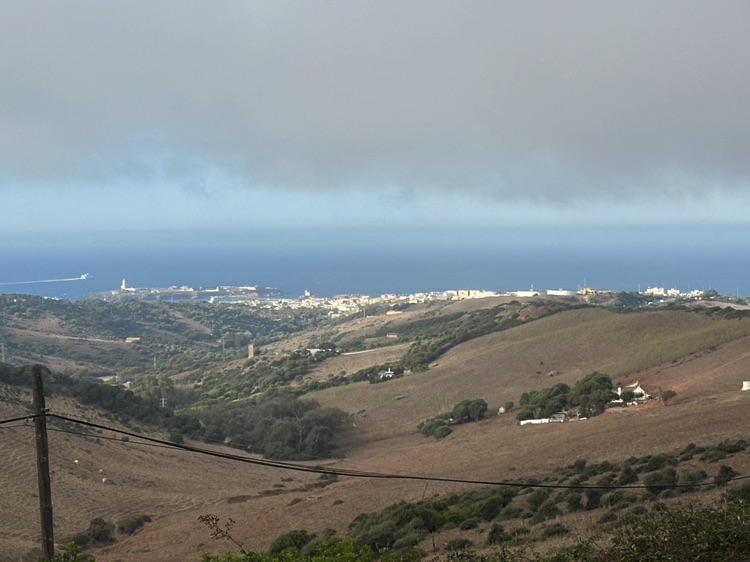
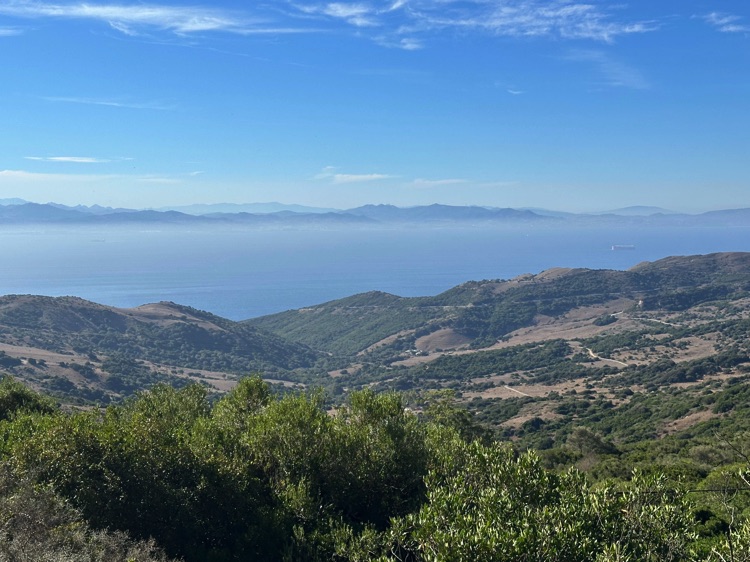
Climbing towards the Upper Rock Nature Reserve, home to the famous Barbary macaques, Europe’s only free primates, we watch them move nimbly among the rocks. From the viewpoint, the Strait of Gibraltar opens before us, with the Moroccan coast stretching on the horizon.
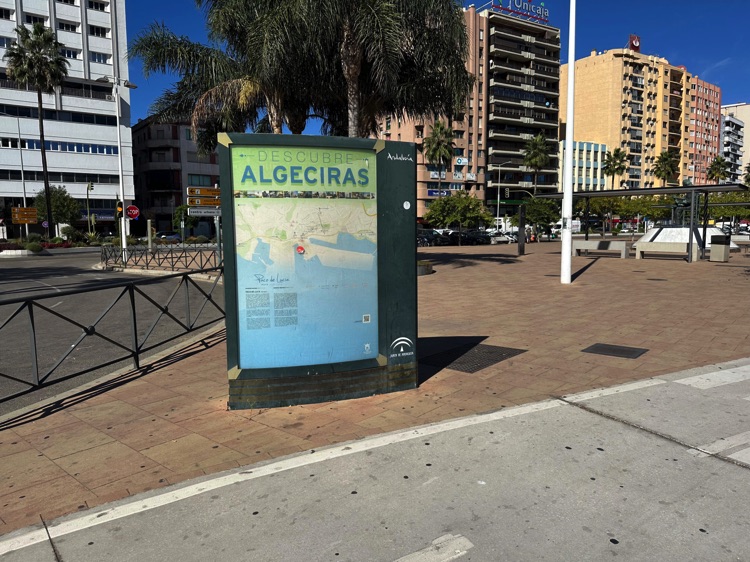
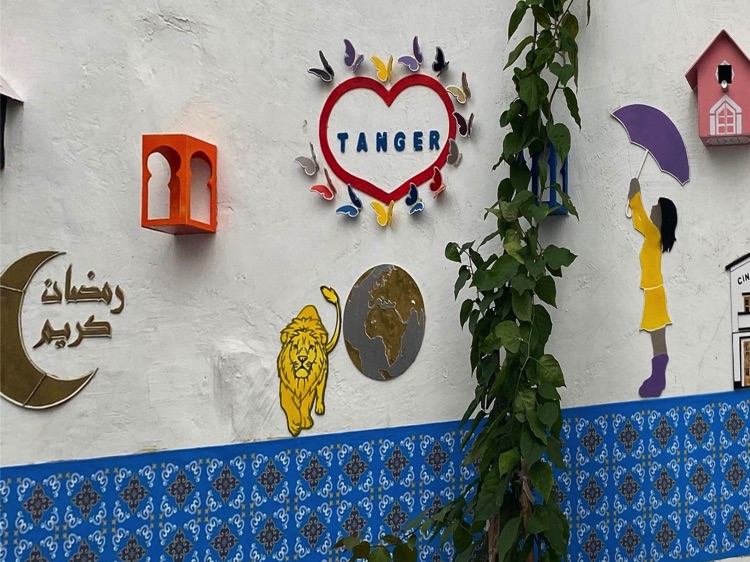
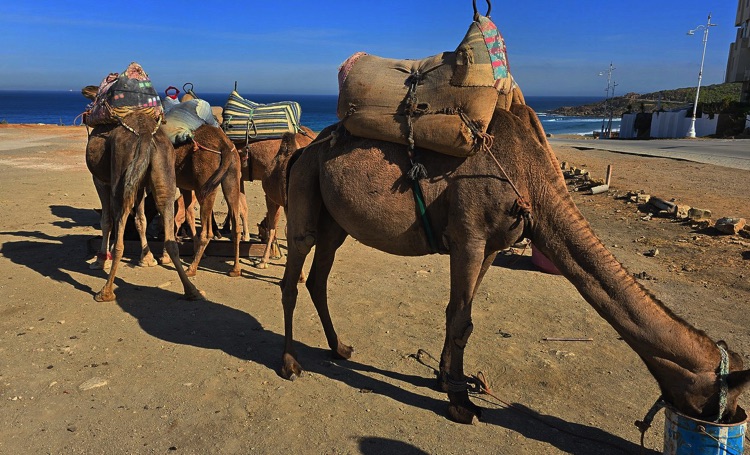
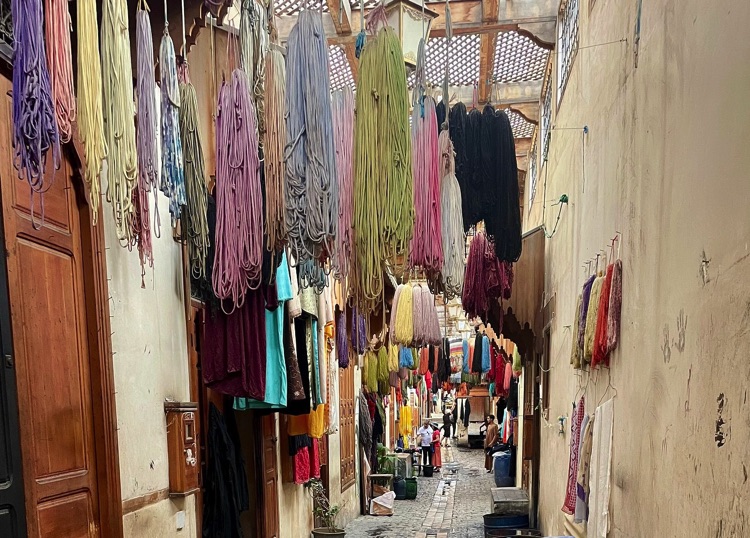
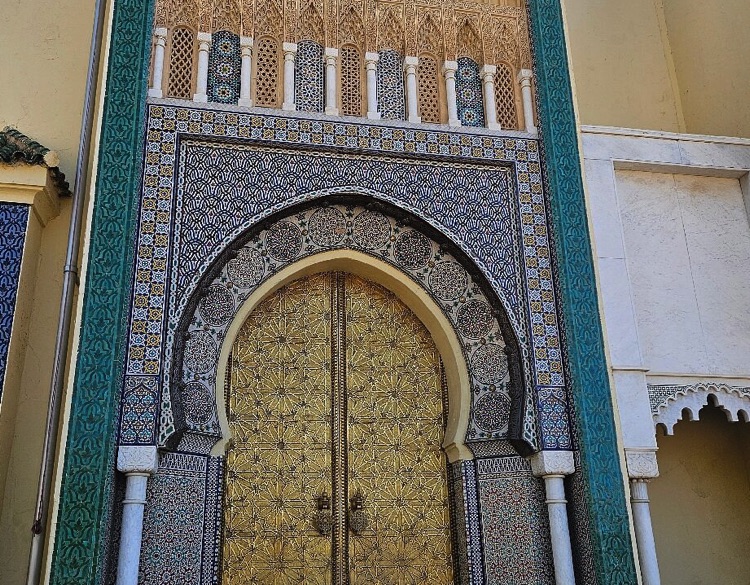
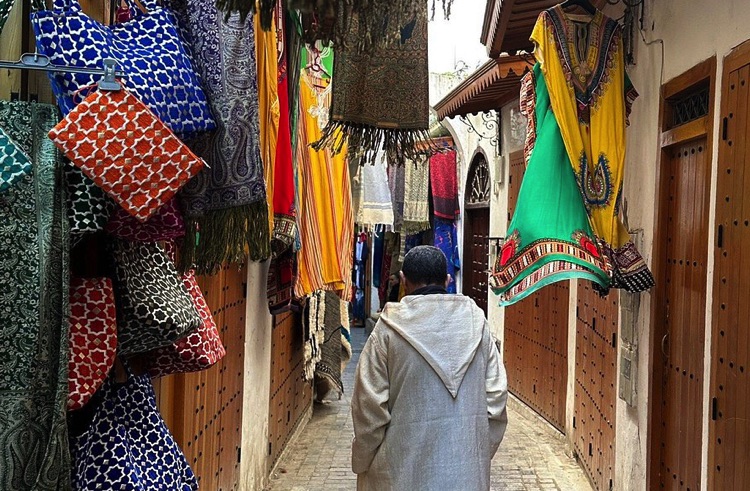
From Algeciras, we finally take the ferry to Tangier 🇲🇦. Upon arrival, we leave our bicycles safely at the hotel and immerse ourselves in the medina, the port, and the lively markets of the city. Colors, scents, and sounds fill the air: it’s a new world, where every step tells a different story.
The following day, we return to Spain by ferry to Algeciras 🇲🇦, closing an intense and unforgettable chapter. From here, our bicycles take us immediately onto quiet, low-traffic roads.
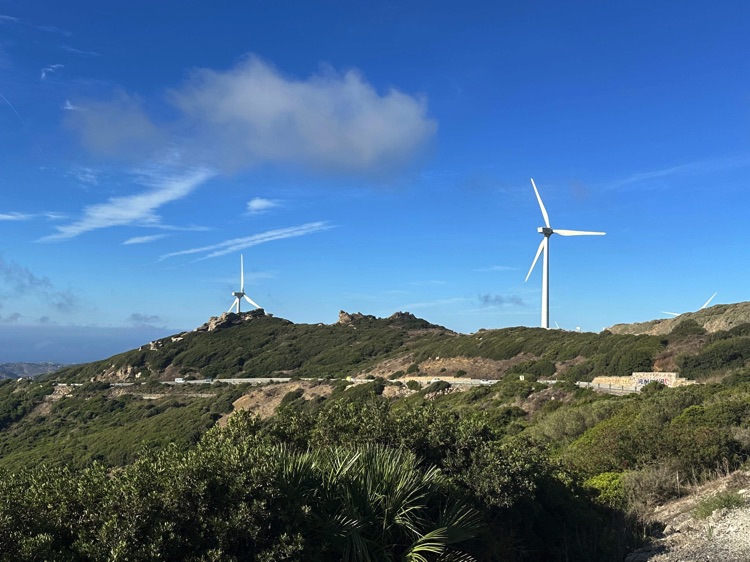
The first pedal strokes immerse us in the heart of the Mediterranean landscape: gentle hills of olives and pines, arid fields bordered by dry stone walls, small villages still asleep. The air carries the scent of sea and pines, while the sunlight sparkles on the Mediterranean’s blue waves, silently inviting us to continue.
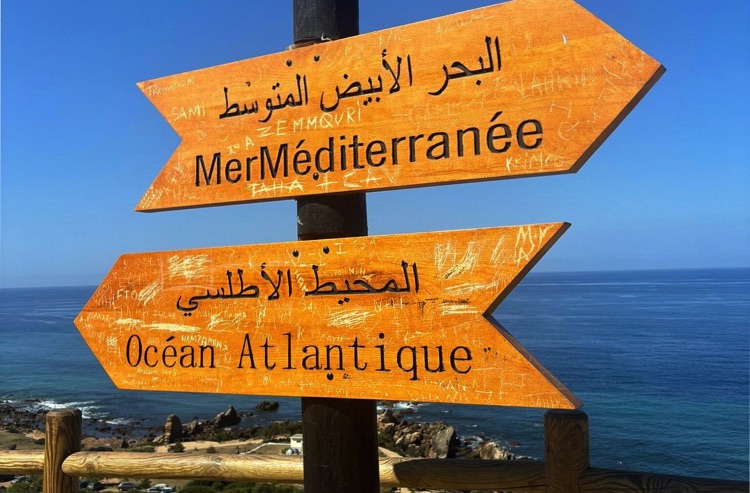
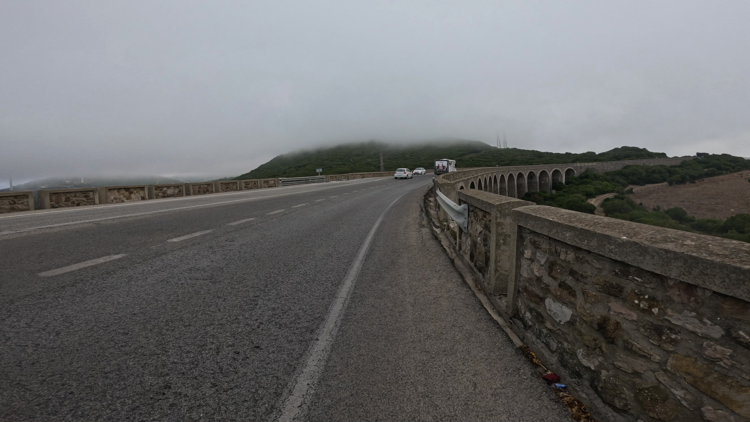
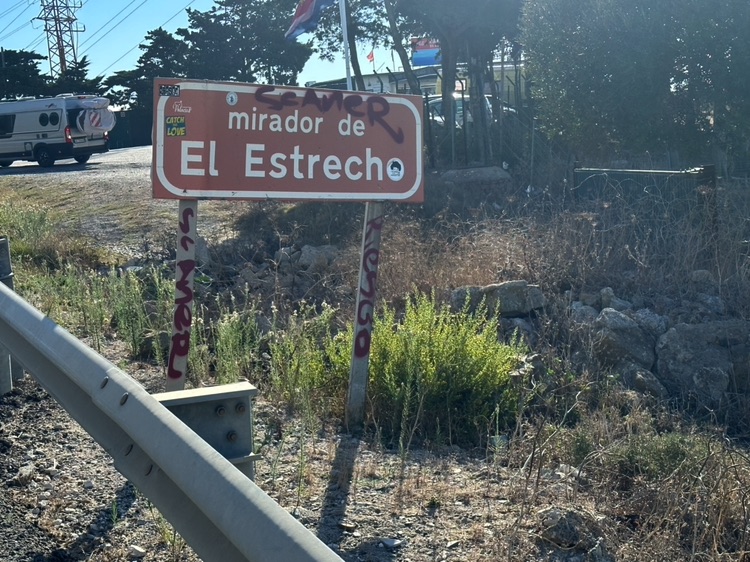
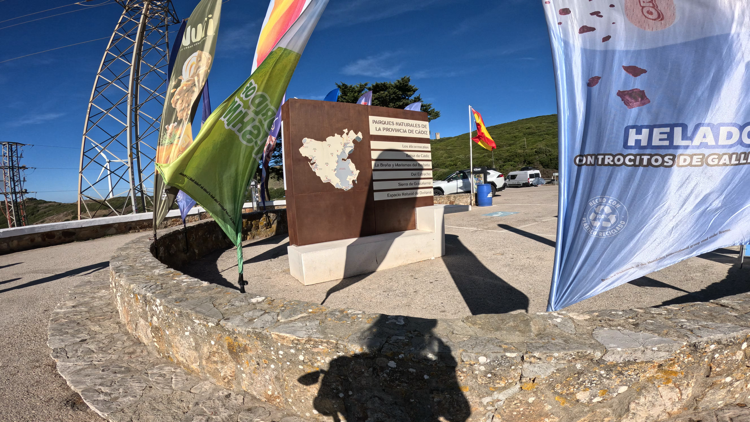
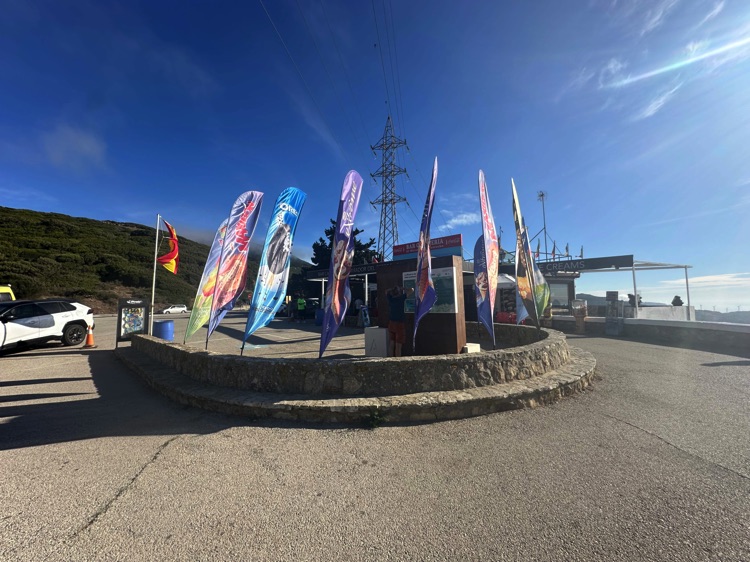
The climb to Mirador del Estrecho begins slowly, gentle but steady. Every pedal stroke requires focus and strength, the heart races, the legs find an almost meditative rhythm. Before us, the Strait of Gibraltar opens like a living painting: the Atlantic merges with the Mediterranean, and the African coast appears on the horizon. The brisk wind accompanies the journey, surfers ride the waves, and every curve offers a new panorama to admire.
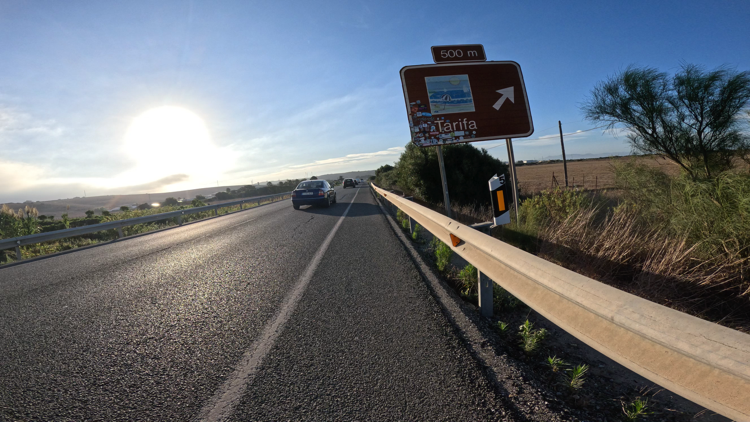
The descent to Tarifa is liberating. The bicycles glide lightly among olive groves and rolling hills, the wind caresses our faces, and the scent of the sea remains as an invisible guide.
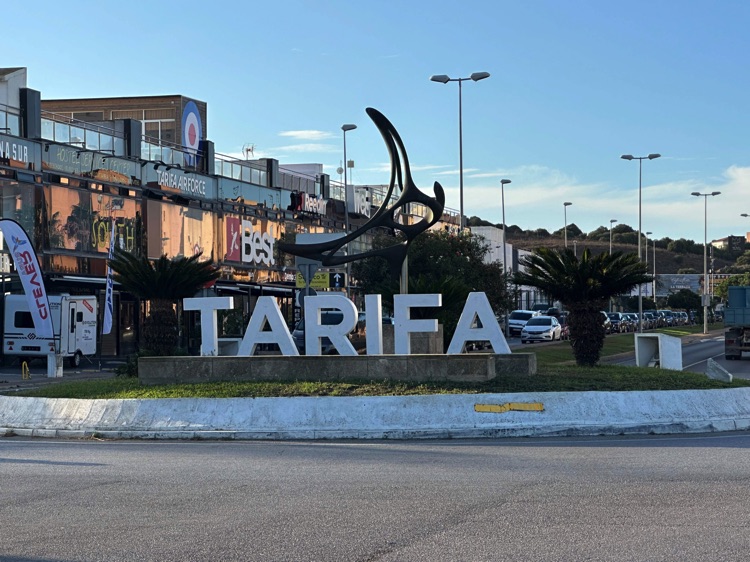
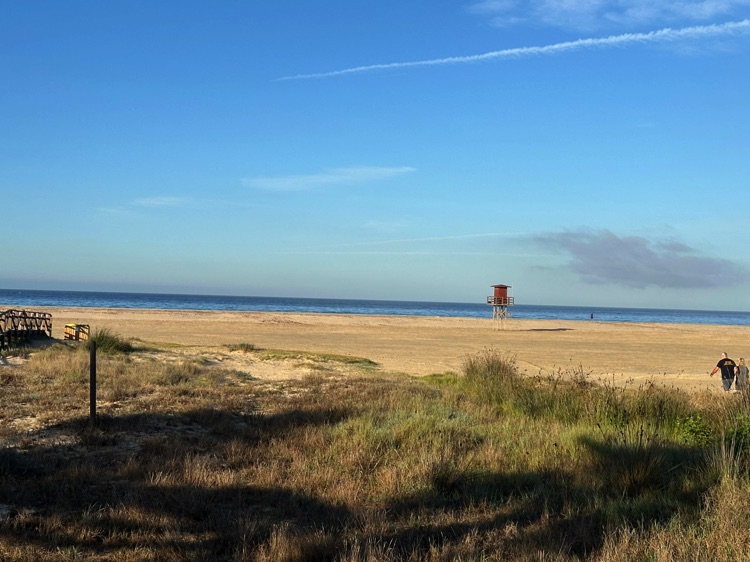
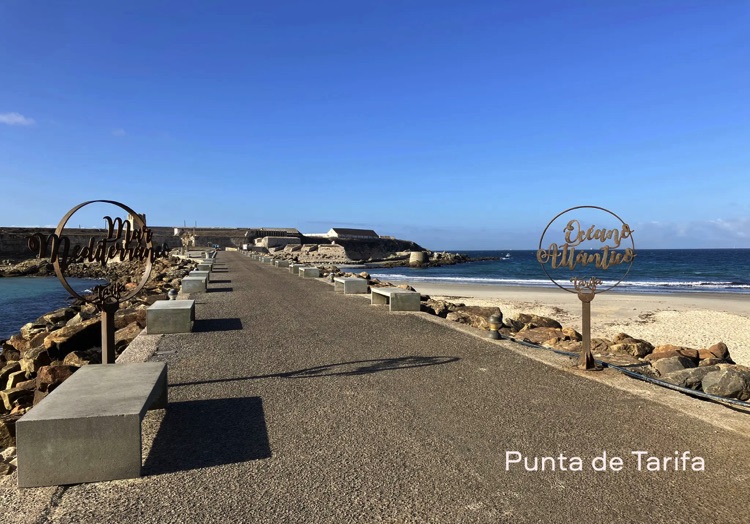
Arriving in Tarifa, the southernmost point of continental Europe, we are greeted by golden beaches, whitewashed alleys, and the energy of surfers. We stop to watch the waves, breathe the salty air, and feel our hearts full of the freedom that only a bicycle journey through Andalusia can offer.
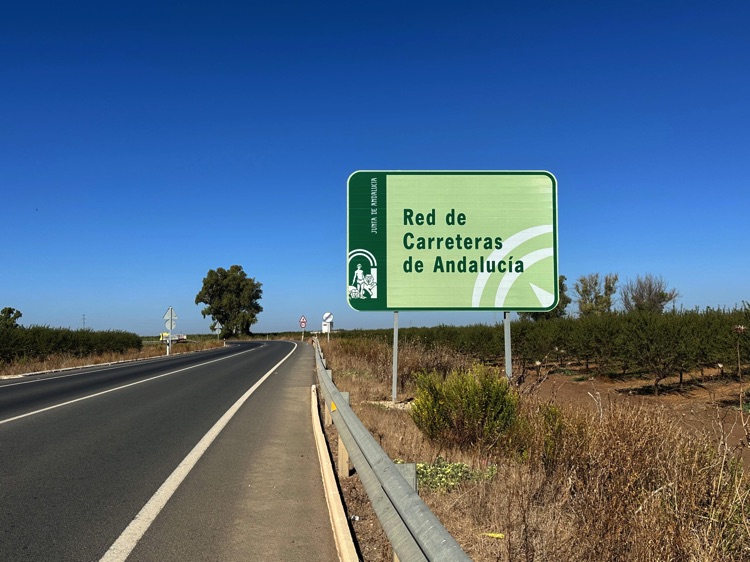
🇪🇸 Spain – From Tarifa to Seville and Ayamonte: From the Heart of Andalusia to the Portuguese border
We set off from Tarifa, the southernmost point of Europe, where the Mediterranean meets the Atlantic. The tip of Tarifa opens before us, and the wind plays with the waves and the surfers’ sails.
The air smells of salt, the quiet paved roads glide beneath our wheels, and each pedal stroke becomes a heartbeat merging with the breath of the sea, as the horizon dissolves into an endless blue.
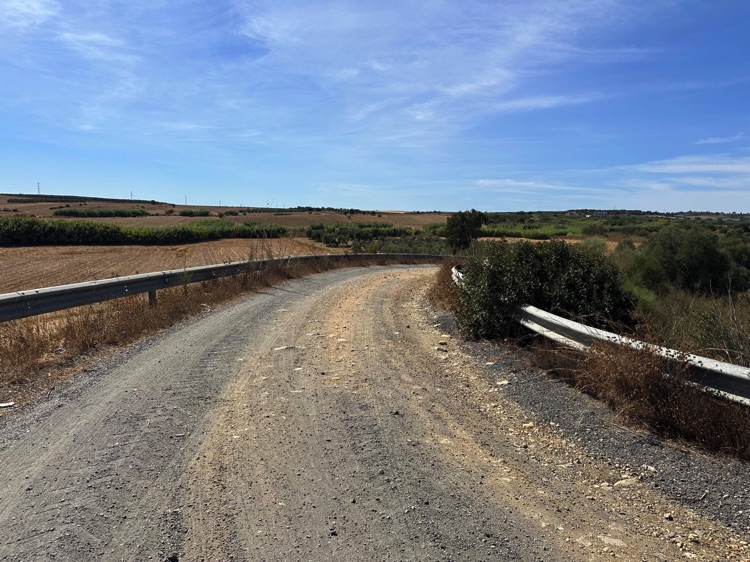
We head northeast toward Tahivilla, surrounded by olive groves and gentle hills. The road flows smoothly, softly undulating, and the stretches of gravel near the fields make the bike tremble just enough to remind us that every contact with the earth is a dialogue with the landscape. The white houses and flowered courtyards of Tahivilla rise like an oasis suspended between time and history.
We continue toward Vejer de la Frontera, perched high on the hills. The climb is gentle at first and then more demanding, and each pedal stroke opens views of olive groves, citrus trees, and the distant sea.
The descent toward Chiclana de la Frontera is smooth and enveloping, as if the bike were gliding over a carpet of light and wind, through cobbled alleys and peaceful squares. The coastal plain ahead is flat and welcoming, with fields and meadows unfolding softly along the road.
Reaching Jerez de la Frontera, the paved, well-kept urban streets let us pedal in harmony among stone squares, flower-filled courtyards, and historic buildings, taking in every detail of this elegant and lively city.
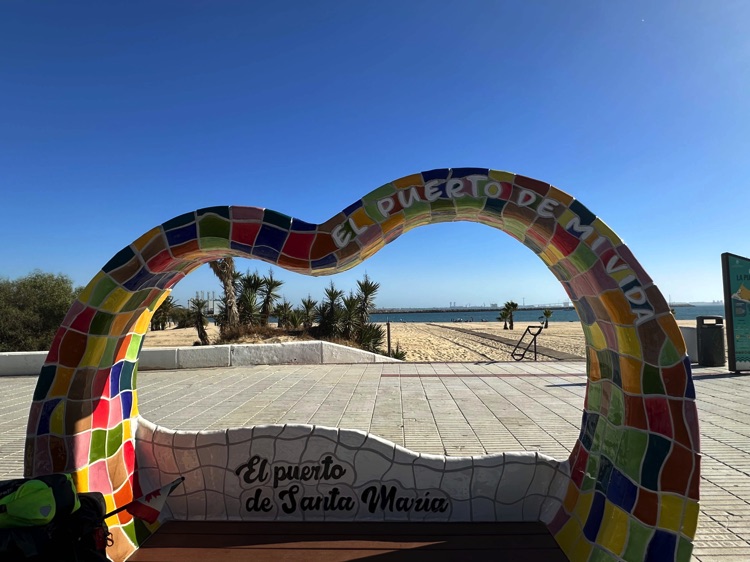
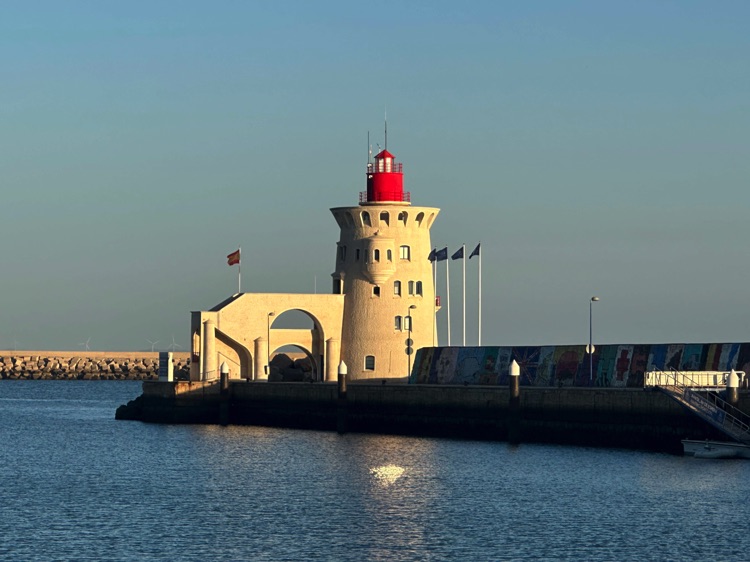
In El Puerto de Santa María, cycling along the riverfront becomes a slow and suspended dance. This is the very place from which Columbus’s Santa María departed 500 years ago, and the reflections on the water and the fishermen’s boats tell stories of faraway adventures. The flat and even terrain invites us to drift with the wind and the golden light of sunset.
We continue toward Dos Hermanas, along long, flat roads stretching through olive groves and wheat fields. The sun ignites the colors of the countryside, and every pedal stroke seems to follow a soft and steady rhythm, as if the road and our legs had become one single organism in motion.
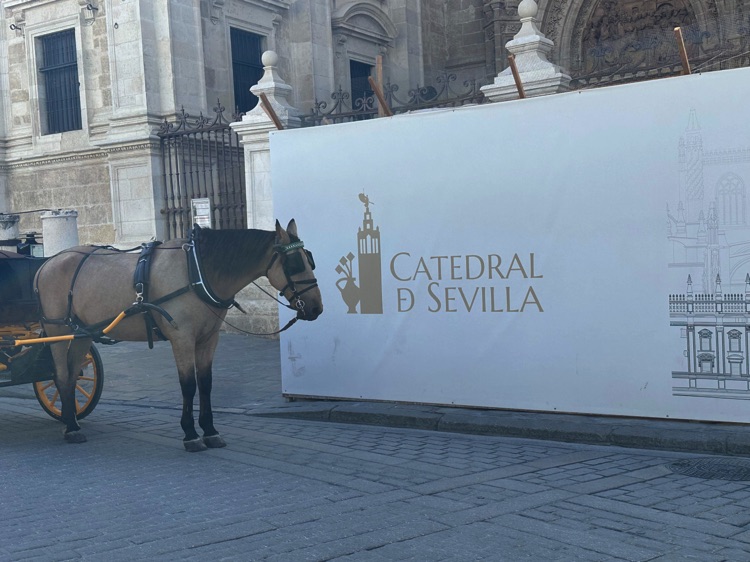
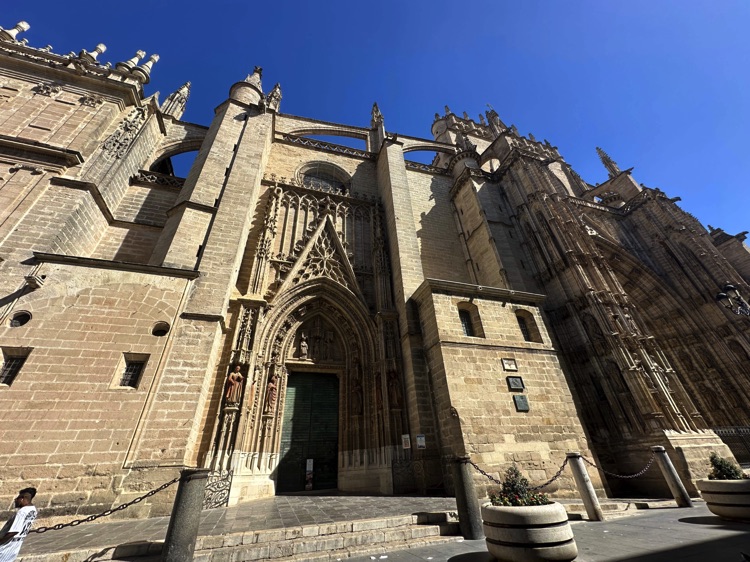
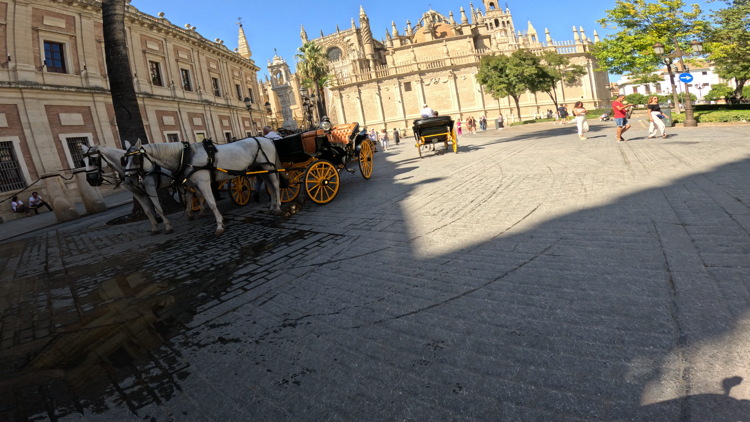
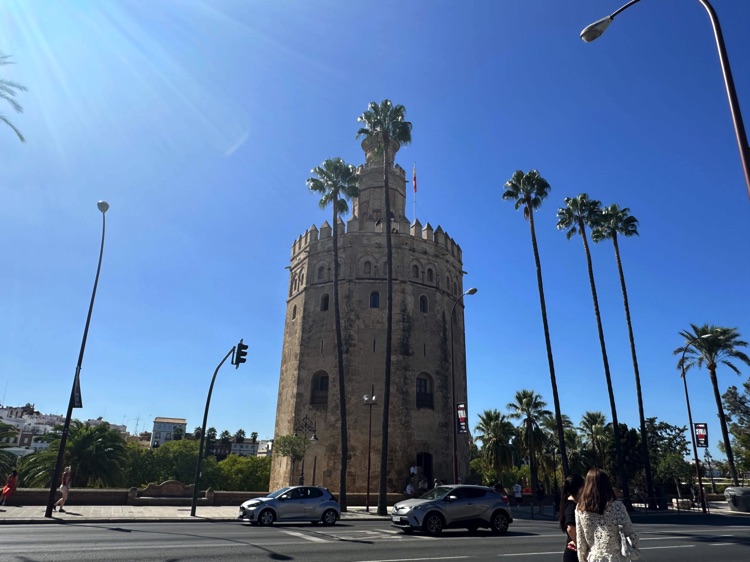
Entering Seville, bike lanes and quiet, flat city streets make it easy to explore without rushing. The Giralda and the cathedral towers rise among rooftops and gardens, capturing our gaze.
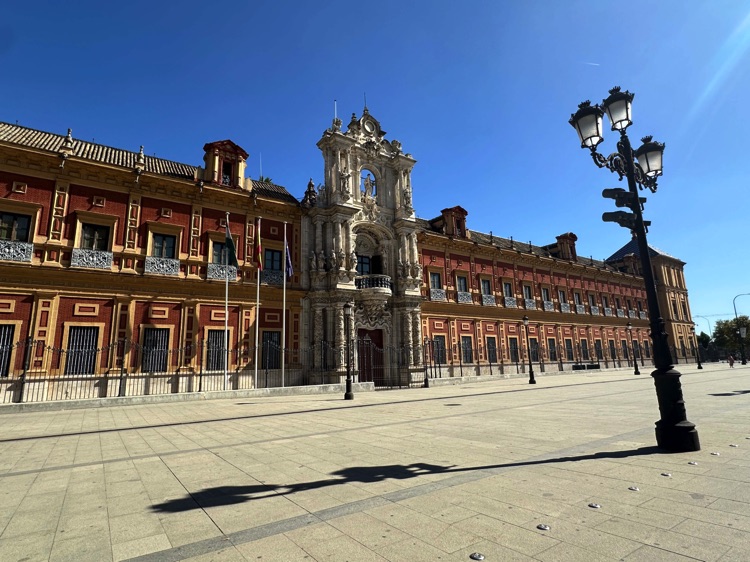
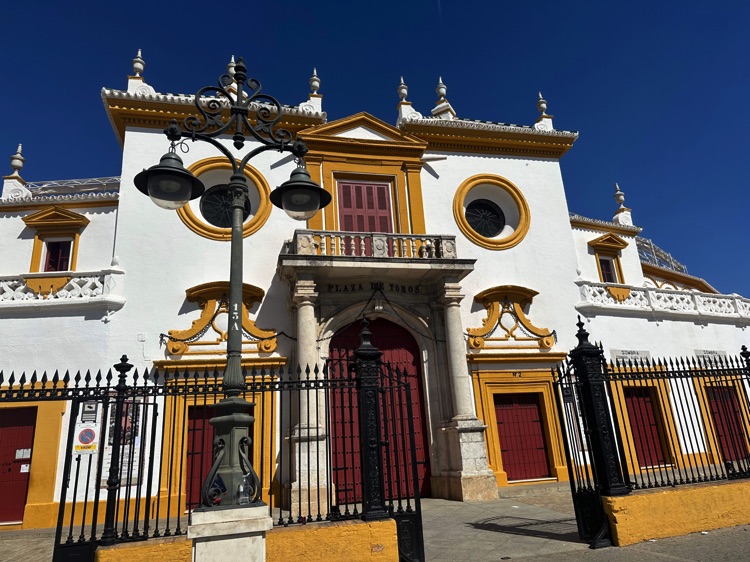
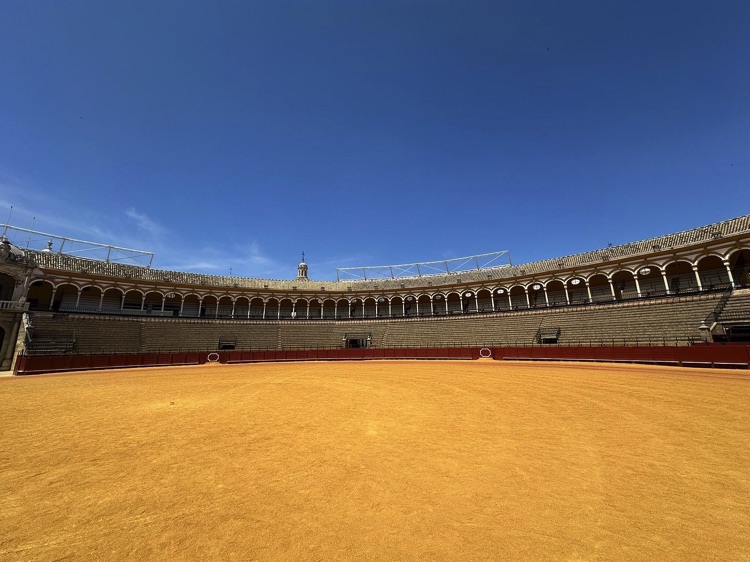
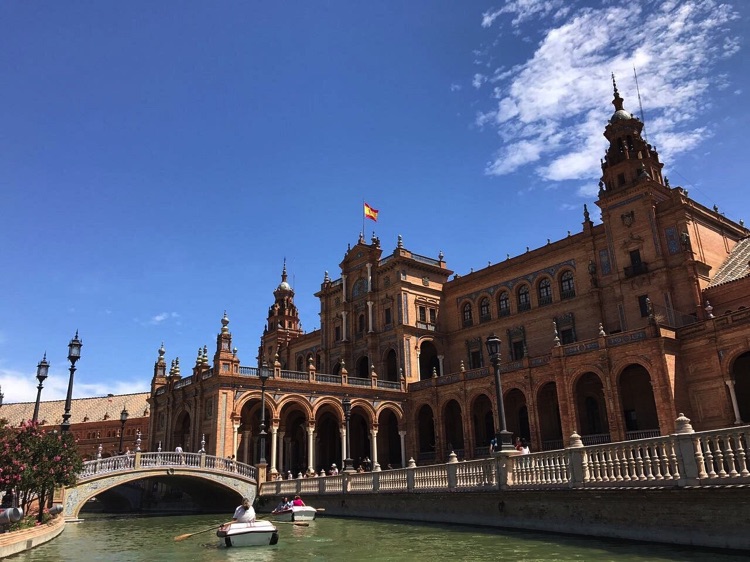
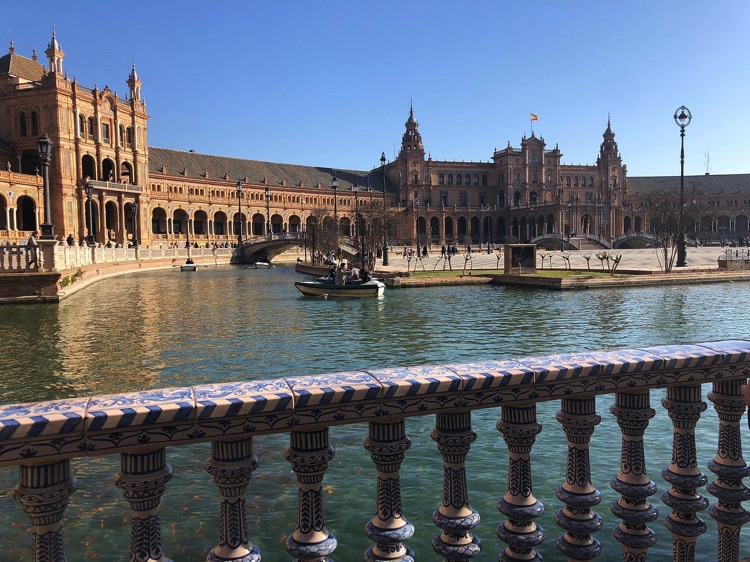
We visit the majestic Seville Cathedral, the elegant Real Alcázar, and the historic Plaza de Toros, the largest and most important bullfighting arena in Spain. We wander through cobbled alleys, lively squares, and corners whispering centuries of history, until we reach the magnificent Plaza de España, an architectural masterpiece set within María Luisa Park. Here, we parked our bicycles in the secure designated spaces and walked a short distance to explore the area.
A large semicircular canal embraces the plaza, crossed by Venetian-style bridges, while small rowboats glide slowly along the water. Around us, the sound of flamenco fills the air: guitarists strum their melodies, dancers move with passion, and the rhythm of castanets blends with the rustling of the park’s leaves.
Taking a moment to stop allows us to absorb the fusion of architectural grandeur, colors, scents, and sounds, while our bicycles rest nearby and our gaze lingers on every small detail.
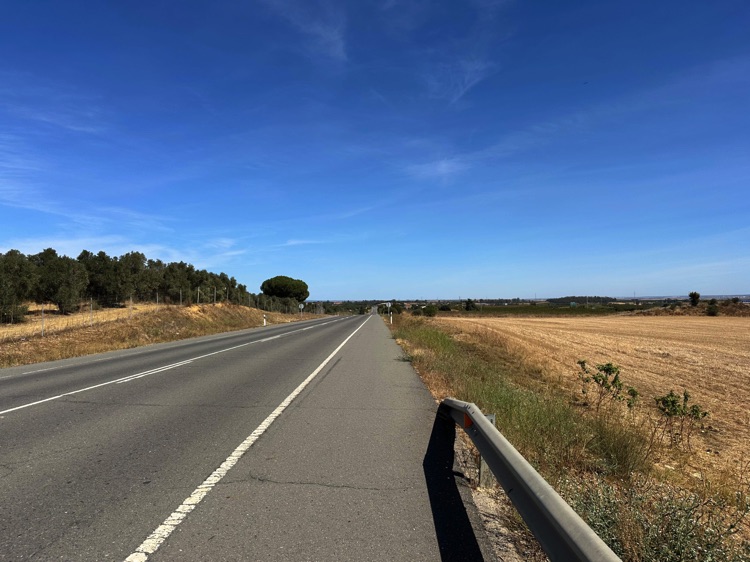
Leaving Seville at dawn, the ride through the countryside of Huelva feels like a gentle caress: quiet secondary roads, slightly rolling, framed by olive groves and golden fields sliding beneath our wheels. White villages and peaceful squares appear like mirages, while the bike follows the rhythm of the wind and the rising sun.
We pass through Moguer, Palos de la Frontera, and Cartaya, always on flat and harmonious roads, until we reach the Guadiana River, in sight of the Portuguese border.
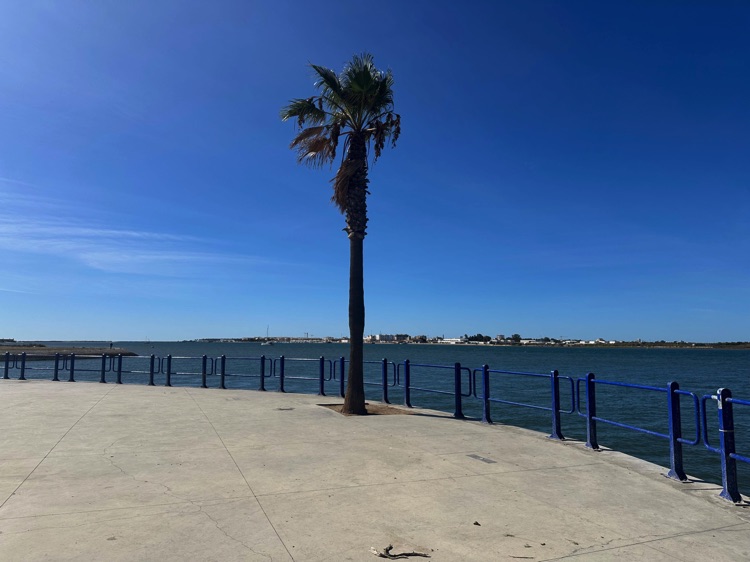
As we approach the Guadiana, gentle hills guide us toward the frontier. The road winds between canals, marshes, and herons gliding over the water, and finally our bicycles lead us to Ayamonte, a town overlooking the river.
Stopping on the bridge to observe the calm waters and the fishermen’s boats becomes a moment of pause and deep breath: the smell of salt and the Atlantic wind accompany us as we prepare to leave Spain and cross into Vila Real de Santo António, opening a new chapter of our journey along the Portuguese coast.
🇵🇹 Portugal – Eastern Algarve: From Ayamonte to Faro
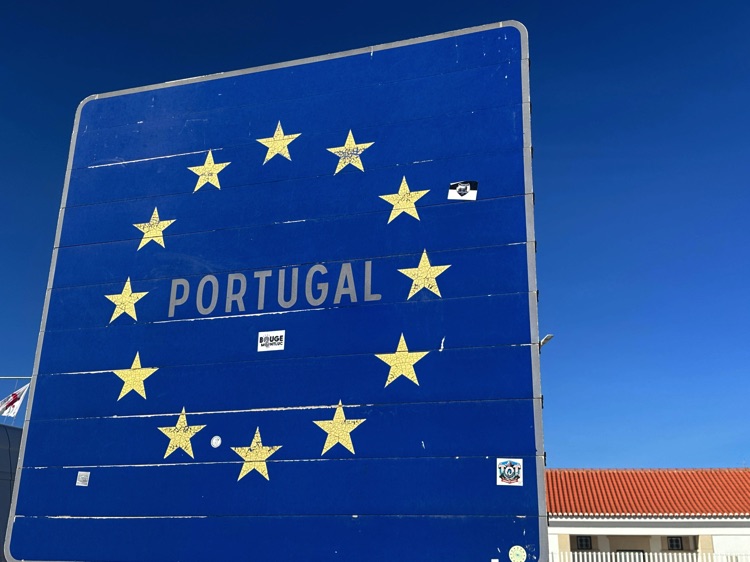
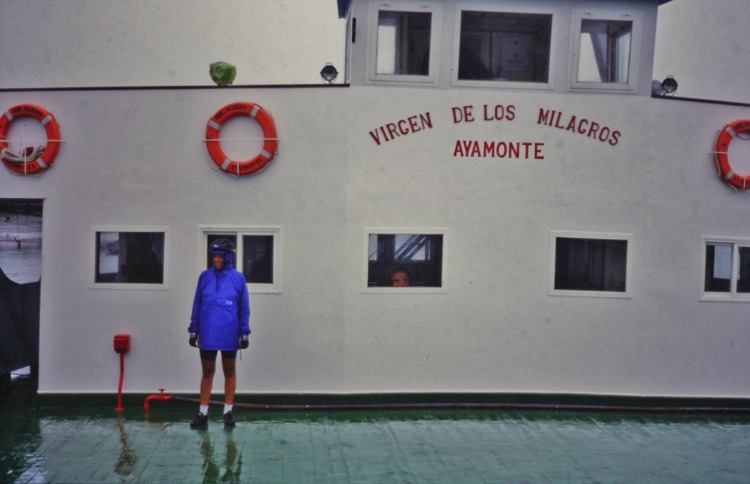
Leaving Ayamonte, the bicycles take us west, entering the southernmost region of Portugal, the Algarve. A short but evocative ferry crossing of the Guadiana River marks the natural border between Spain and Portugal: just ten minutes, bikes secured on the deck, while the water flows slowly beneath us and seagulls circle overhead.
The light reflects on the river’s surface, the border seems to dissolve, and in an instant we are immersed in a new world of Mediterranean scents and open horizons.
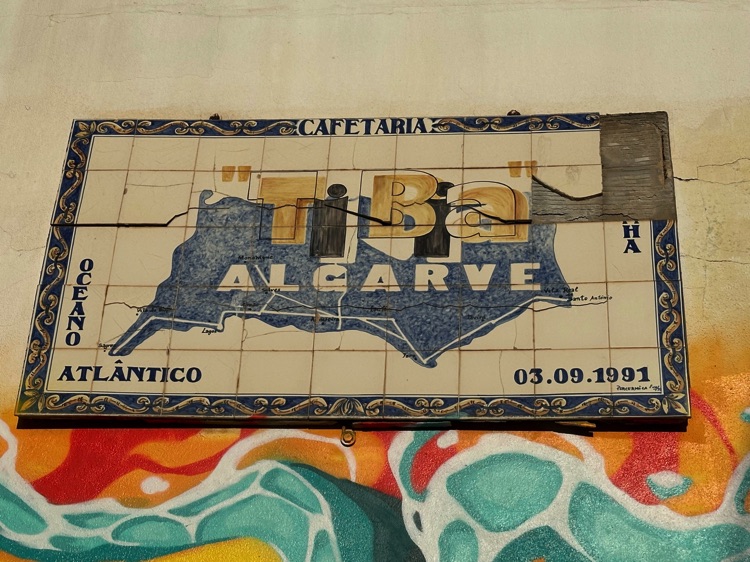
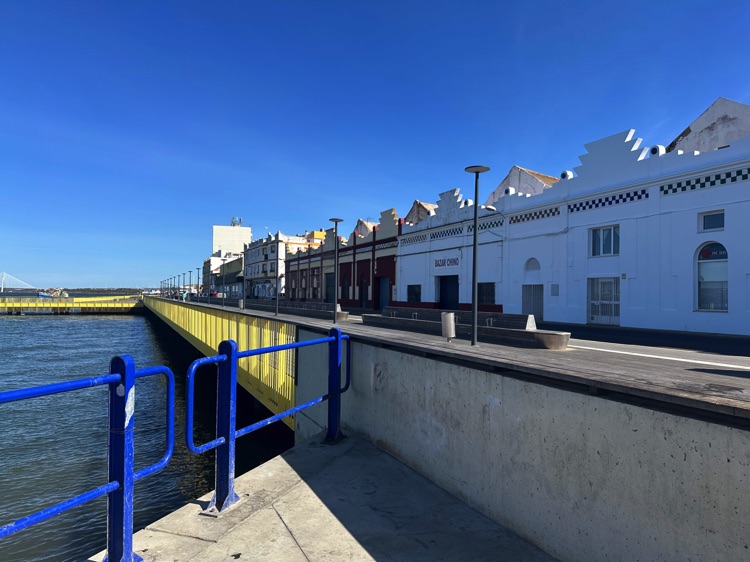
Vila Real de Santo António welcomes us with its geometric precision, grid-like streets, and the scent of the ocean. The cycling route continues along quiet, flat secondary roads, winding among canals, marshes, and cultivated fields. The sun shines on the water, the Atlantic wind accompanies the rhythm of the wheels, and every pedal stroke delivers that infinite sense of freedom only the ocean can give.
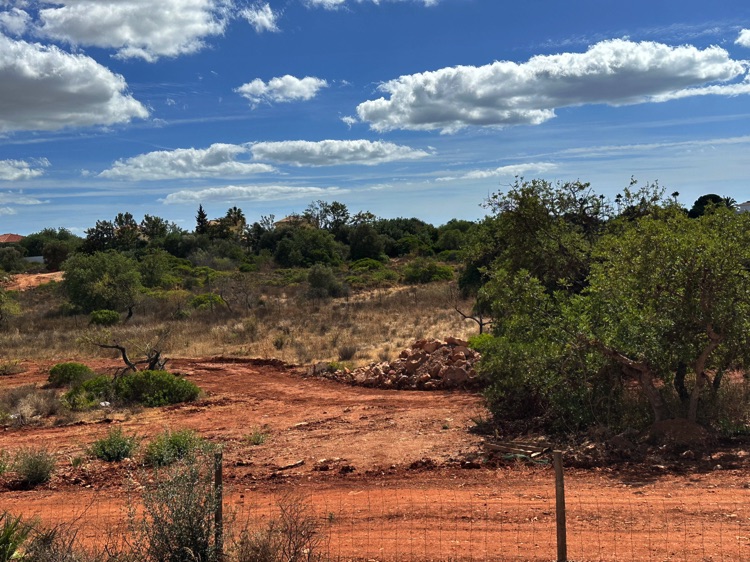
The first pedaling feels light: olive groves, orange orchards, and dry stone walls shape the rural landscape, while birdsong and the scent of salt mark the passing of time. The terrain is easy and smooth, perfect to attune to the Eastern Algarve, a land alternating silence, light, and color.
Passing Castro Marim, its medieval castle watches over the Guadiana valley. Stopping to contemplate the ancient walls means breathing history and observing the mosaic of farmland, reeds, and salt pans at the foot of the hill. Herons and flamingos moving among the water mirrors seem to dance with the wind, and every pause becomes an invitation to watch, breathe, and listen.
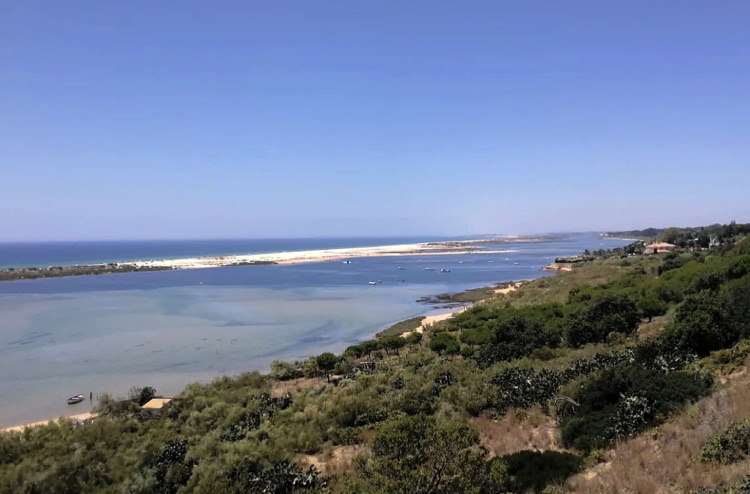
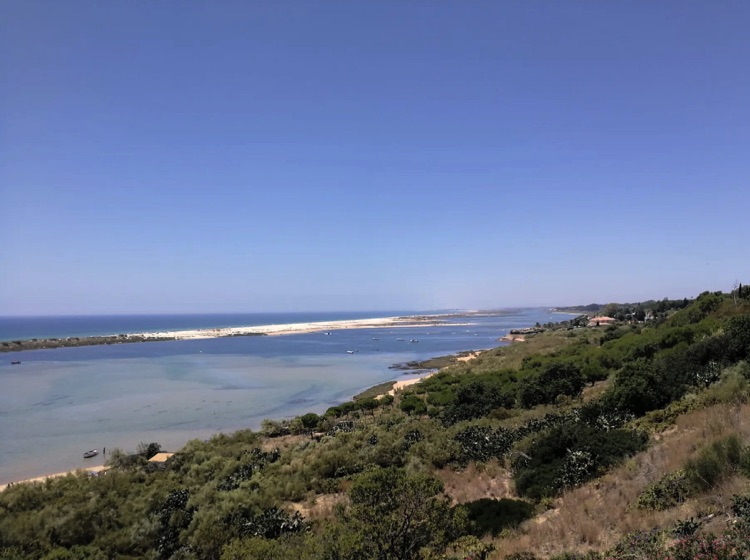
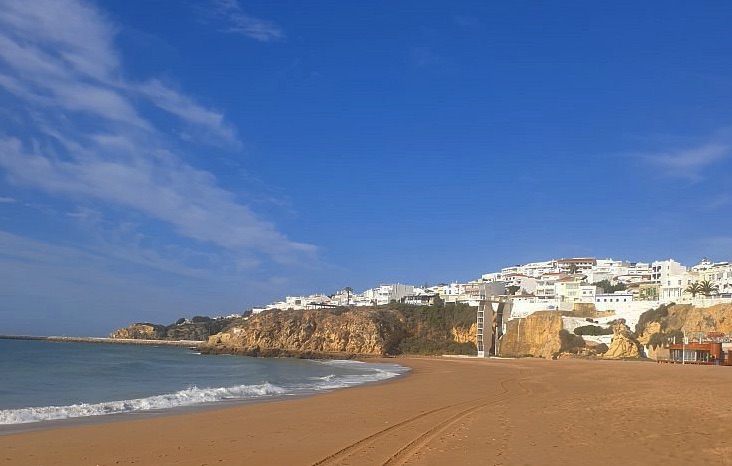
Continuing, we cross Altura, a small village overlooking coastal dunes, with tranquil beaches and maritime pines shading the path from the scorching sun. The road then leads to Cacela Velha, an ancient hilltop village with whitewashed houses and spectacular views of the lagoons and the sea, a place where time seems suspended. Santa Luzia, nearby, offers glimpses of canals, salt pans, and small fishing harbors: every pedal stroke immerses us in the scents of iodine and salt.
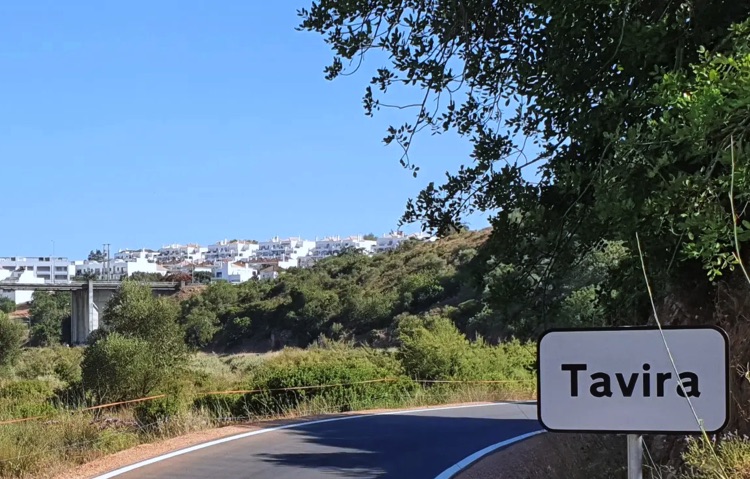
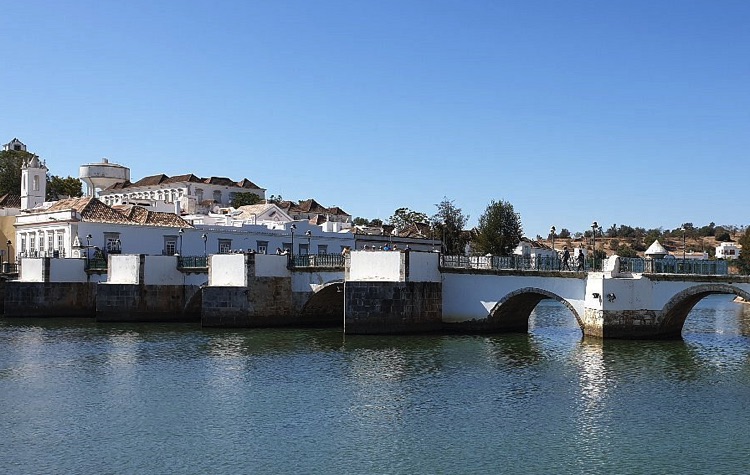
Pedaling towards Tavira, the landscape opens into a symphony of lagoons, salt flats, and bright skies. Roads approach the coast, and the air fills with iodine and wind. Tavira appears as a small pearl of the Algarve, with ancient bridges crossing the river, white houses adorned with azulejos, and quiet alleys scented with the sea. Cycling through it is like entering a suspended moment, where the Mediterranean meets the Atlantic, and the journey becomes pure contemplation.
Beyond Tavira, the route continues on flat, sandy terrain, sheltered by maritime pines and golden dunes. The sound of the wind through the leaves and the scent of the sea accompany every pedal, while the landscape becomes essential and powerful: light, air, and space dominate the scene, and every stroke of the pedal seems to merge with the surrounding environment.
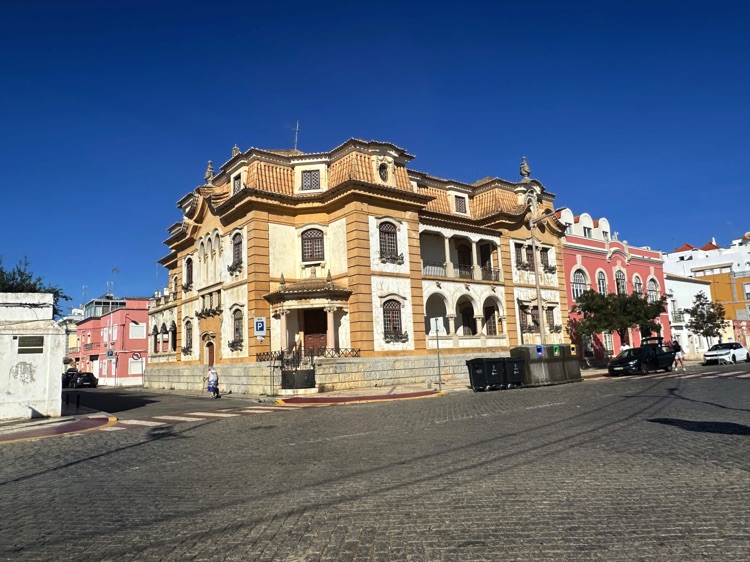
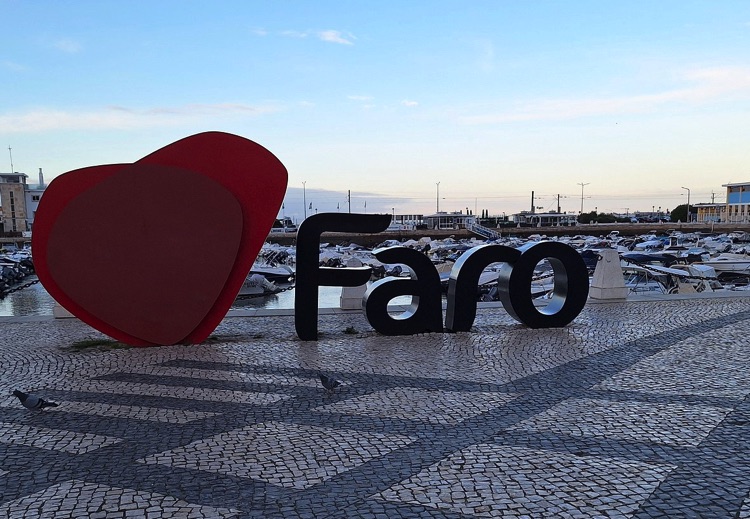
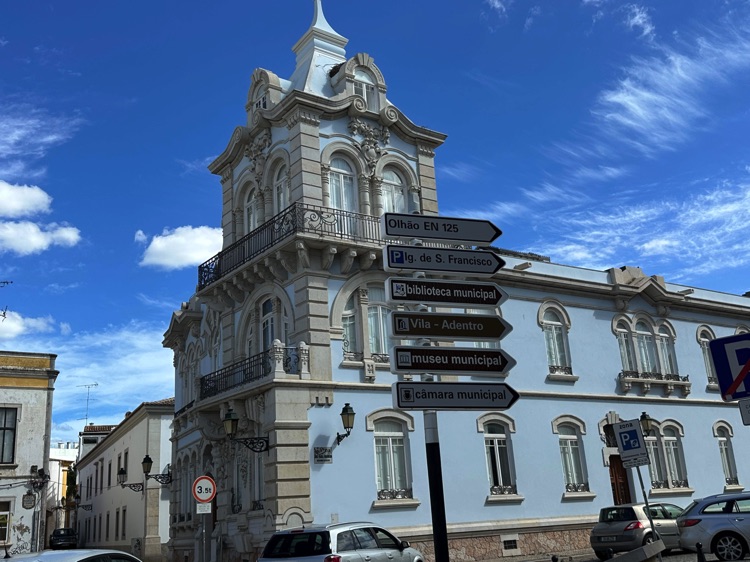
Finally, Faro, the elegant capital of the Algarve, welcomes us at the end of this luminous stage. The old town, enclosed by ancient walls, overlooks a calm harbor and the lagoons of the Ria Formosa, a nature reserve of extraordinary beauty.
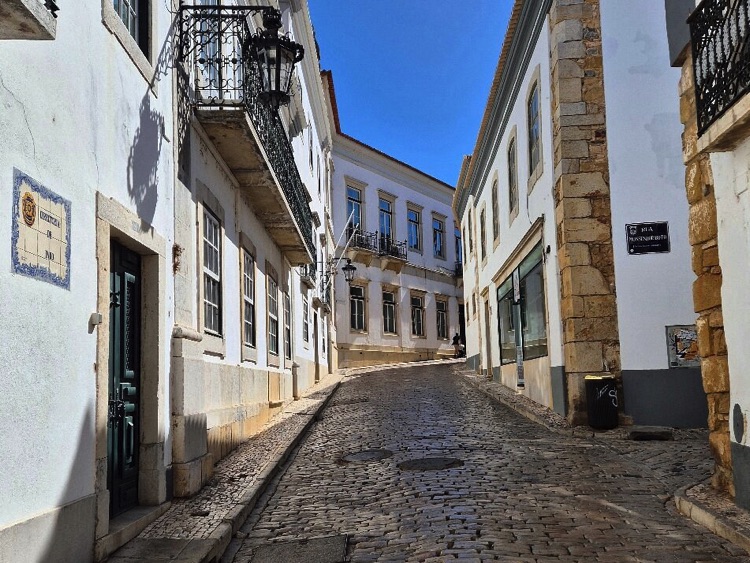
After securing the bicycles, we lose ourselves among cobbled alleys, lively squares, and sunlit terraces, admiring Faro Cathedral reflecting golden light at sunset.
The sun sets over the still water of the lagoon, and the journey pauses for a suspended moment between land, sea, and silence, while the bicycles rest, waiting for new rides.
🇵🇹 Portugal – From the Algarve Coast to the Interior: Faro to Ponte da Ajuda, at the Spanish border
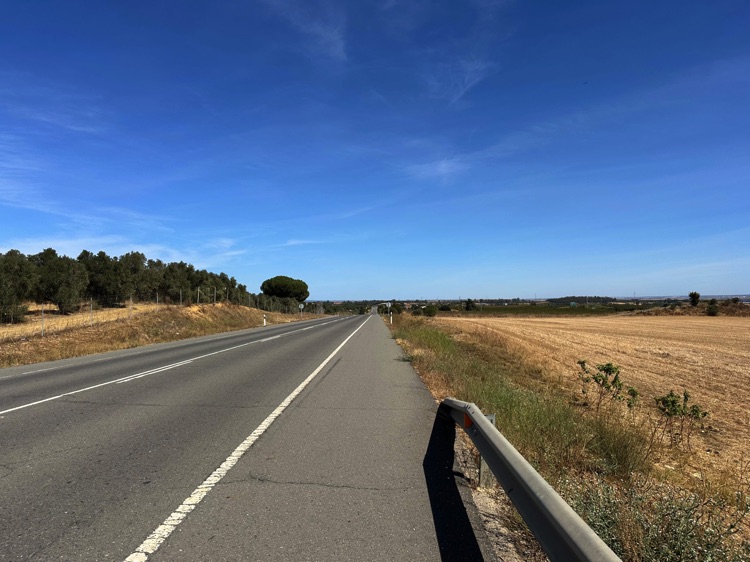
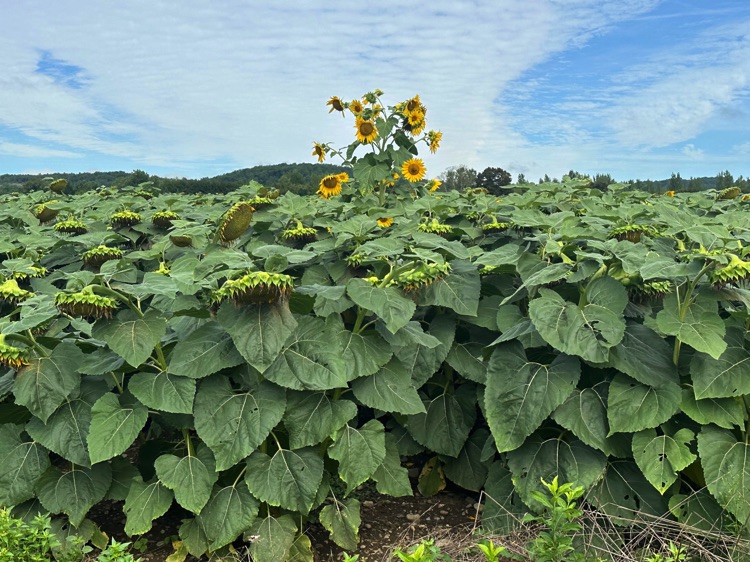
Leaving the bright Algarve coast, the bicycles head north, leaving behind the scent of the sea and the salty Atlantic wind. Departing from Faro marks the beginning of a new landscape: the first pedals glide easily along quiet, flat roads, surrounded by olive groves, fields of wheat, and sunflowers swaying in the wind. The air carries the fragrance of pines and Mediterranean scrub, and the warm sunlight makes every kilometer a serene dialogue between body and nature.
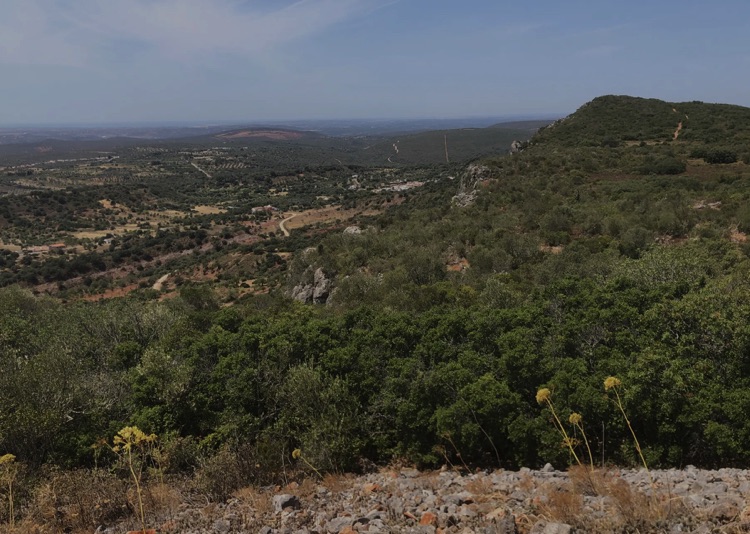
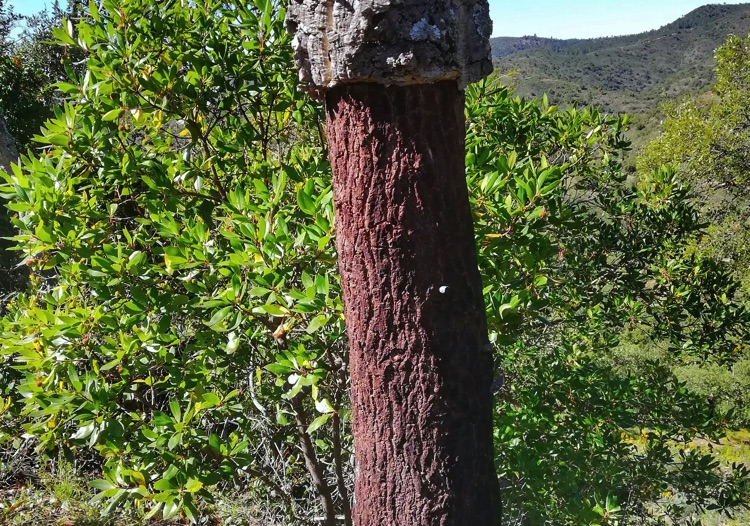
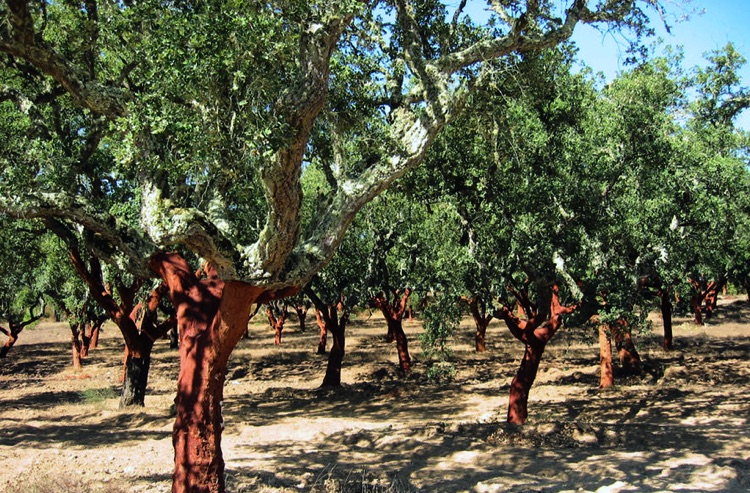
As we move away from the coast, the road gently climbs towards Almodôvar, in the heart of the interior. The steady climbs, never too demanding (around 5–6%), invite finding your rhythm: the bicycle glides among rolling hills, cork oak forests, and white villages emerging from golden fields. Every turn offers open panoramas over the Alentejo valleys, a land of silence and warm colors, where time seems to slow.
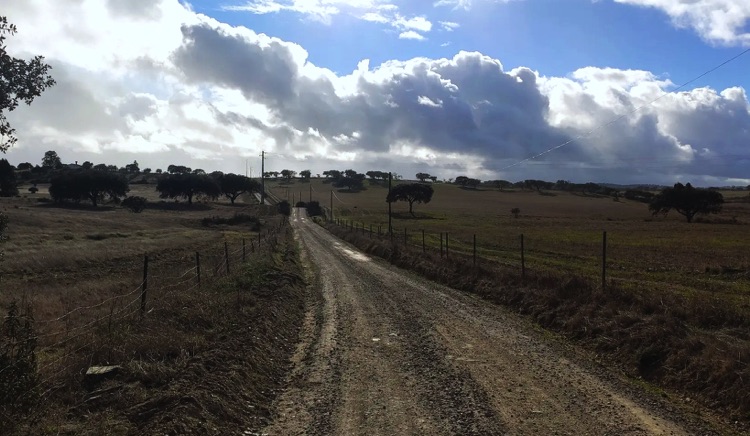
Beyond Almodôvar, the route turns northeast, crossing the heart of the Alentejo. The road alternates short climbs with flat stretches, ideal for breathing and letting the landscape lull you.
The terrain is smooth and regular, and cycling here feels like being immersed in a painting of light and earth: centuries-old olives, oaks, vineyards, and wheat fields create a mosaic that tells the rural soul of Portugal.
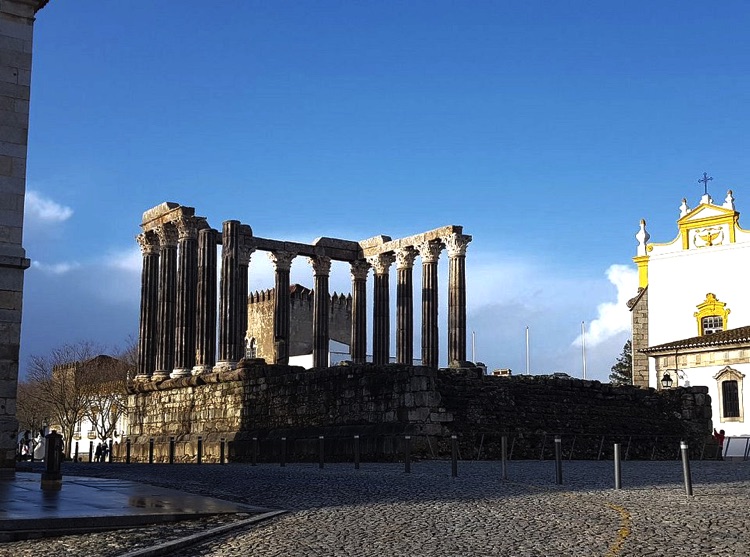
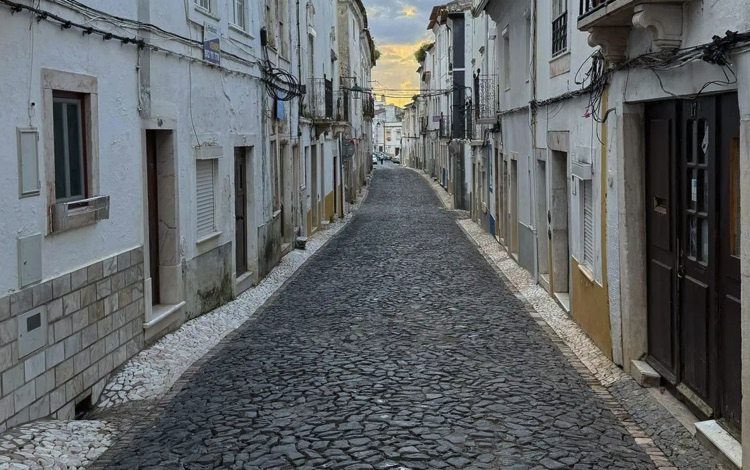
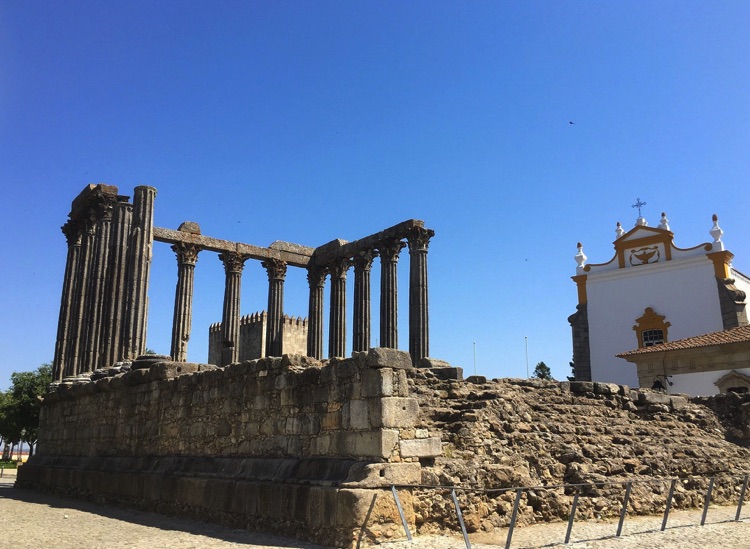
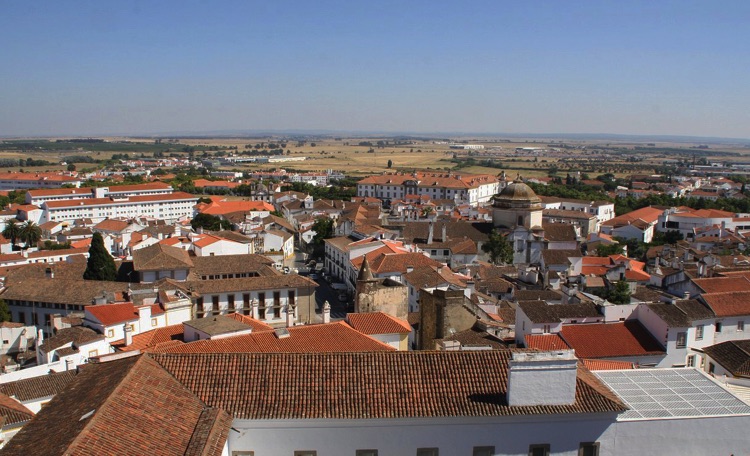
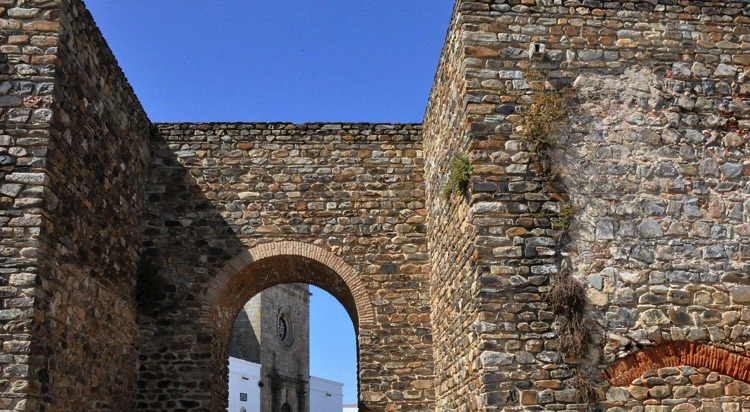
When Évora appears on the horizon, the fatigue of the hills fades. The city, a UNESCO World Heritage site, welcomes travelers with its ancient walls, sunlit squares, and cobbled streets where the wheels glide lightly. Between a portico and a bell tower, the pedal stroke becomes a stroll, and time pauses to admire the beauty.
Leaving Évora, the road returns to its silent and poetic rhythm. Cycling among olive groves, vineyards, and golden fields, the sun kisses the countryside while a gentle southeast wind accompanies the journey. Gentle climbs alternate with long flat stretches, inviting observation of white villages with red-tiled roofs and the essence of the Alentejo. The direction is northeast towards the Spanish border, across endless plains and horizons that melt into the light.
Near Redondo, the road becomes even more evocative: soft hills, oak groves, centuries-old olive trees, and absolute silence. Every kilometer invites reflection and calm, as the bicycles glide lightly, accompanied only by the rustling of the wind through the trees.
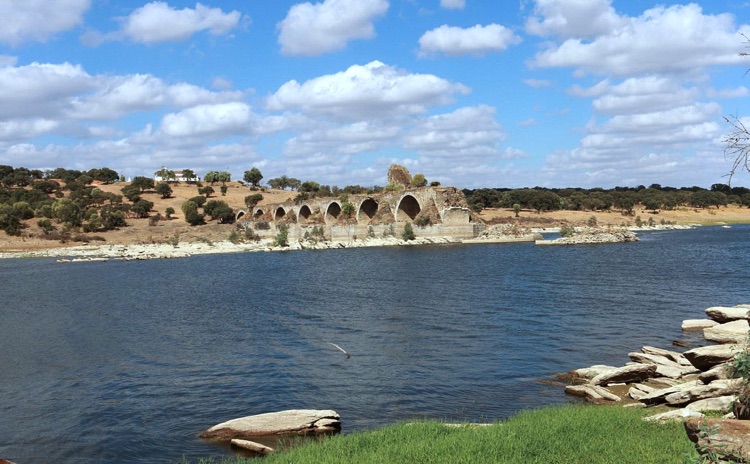
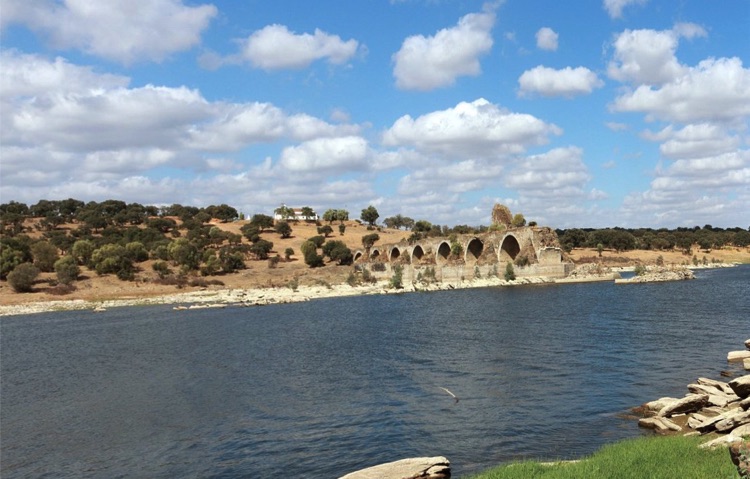
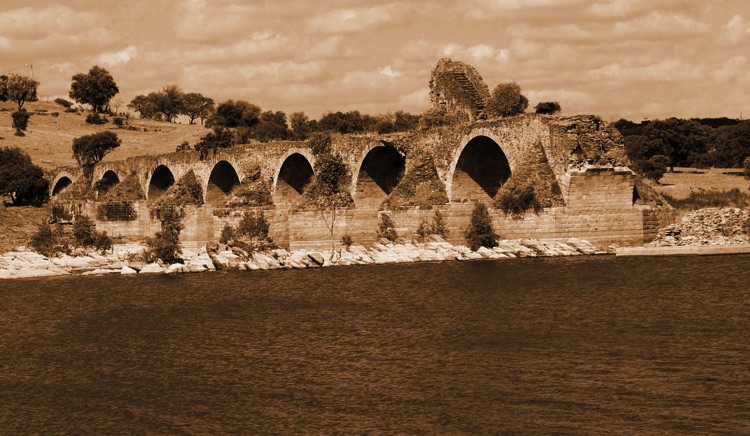
Finally, Ponte da Ajuda, ancient and partially in ruins, appears spanning the Guadiana River between Elvas (Portugal)and Olivenza (Spain). Its stones tell stories of borders, journeys, and centuries of exchange.
Here, time seems suspended: only the sound of wind and water accompanies the end of this long stage. Fatigue dissolves, leaving a profound sense of freedom: the privilege of having reached the Alentejo by cycling through light, silence, and memory.
🇪🇸 Spain – From Ponte da Ajuda to Puigcerdà: Through olive groves, plains, and the Pyrenees
Crossing Ponte da Ajuda, we leave Portugal behind and return to Spain, in the region of Extremadura. The bicycles glide lightly along secondary roads, far from traffic: the rhythm of the wheels merges with that of the countryside, among olive groves, vineyards, and wheat fields stretching to the horizon.
The wind caresses the face, the scents of earth and pines fill the lungs, and the golden sun accompanies every pedal stroke.
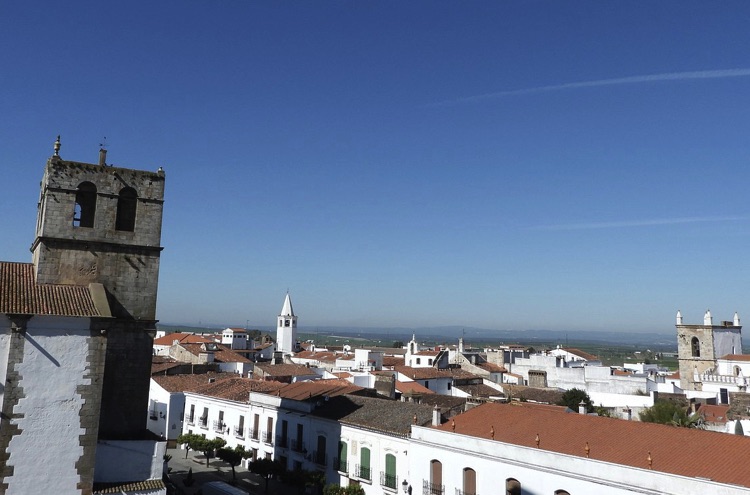
The first town we encounter is Olivenza, ancient and quiet, with fortified walls, whitewashed churches, and stone streets that tell centuries of history. We pedal in tandem, sharing glances of complicity, as the wheels narrate the passage of time between past and present.
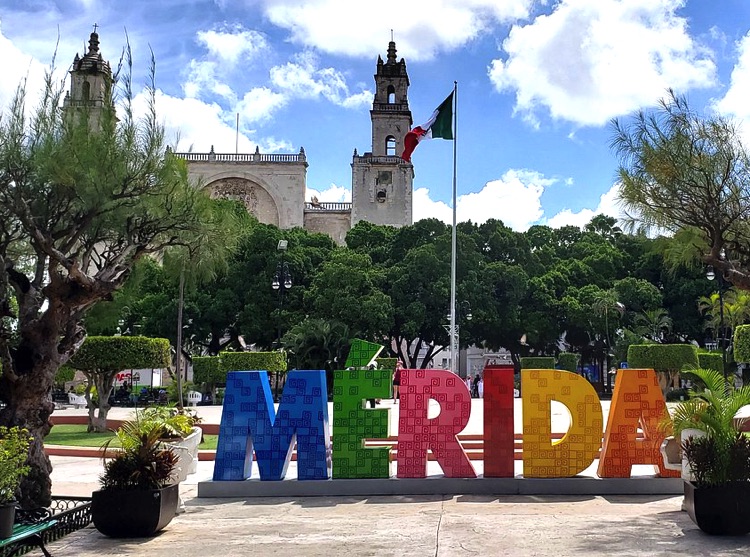
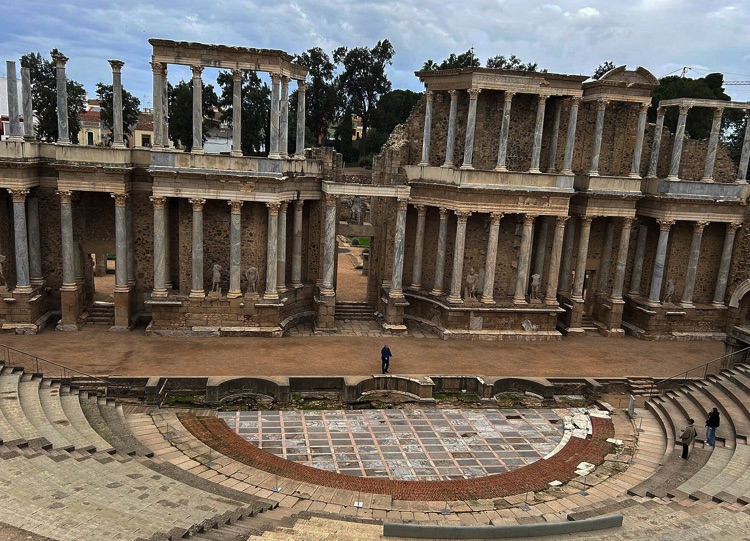
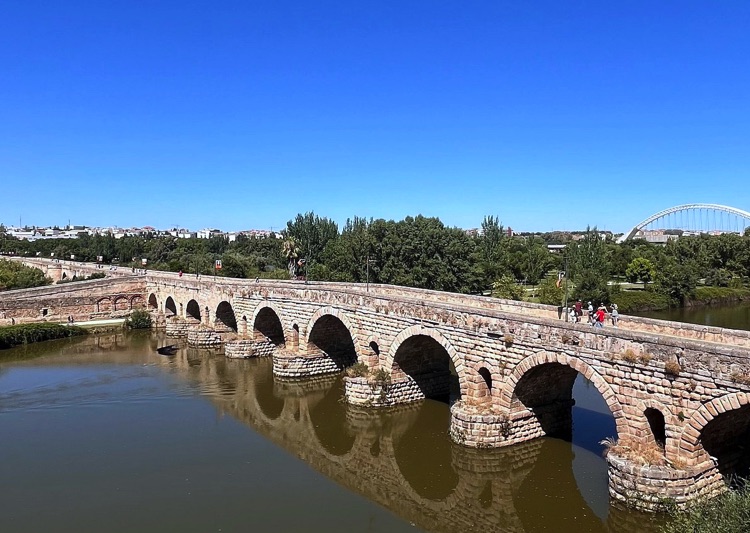
Continuing towards Mérida, the landscape opens wide and serene. Arriving in the Roman city is a dive into the past: the Guadiana bridge, the amphitheater, and ancient temples rise as guardians of distant epochs.
Cycling among the ruins, with the afternoon golden light brushing the stones, gives the sensation of flowing through history. Every stop invites contemplation, every climb brings us closer to the heart of Spain.
From Mérida, the road points northeast. Gentle climbs between Jarcejo and Santa Olalla alternate with long flat stretches inviting deep breaths. The dry air touches the skin, the horizon expands, and the landscape unfolds in wheat fields and sun-scorched hills. Every pedal stroke becomes meditation: the legs work, the heart keeps rhythm, and the eyes lose themselves in the warm colors of the Spanish countryside.
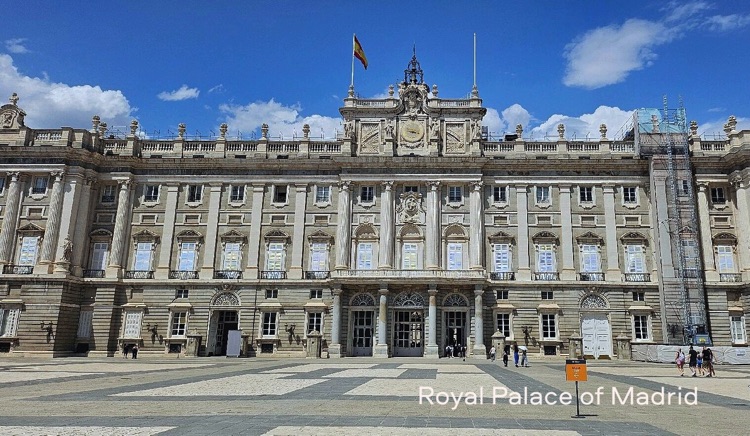
Approaching Madrid, the plain fills with white villages, with perched houses and cobbled streets marking the passage of time. Entering the city by bicycle is surprising: safe bike lanes and quiet secondary streets allow a slow crossing of the capital. We pass Puerta del Sol, Plaza Mayor, and the green of Parque del Retiro, immersing ourselves in the sounds of the city: chatter of passersby, church bells, and the soft hum of bicycles on stone.
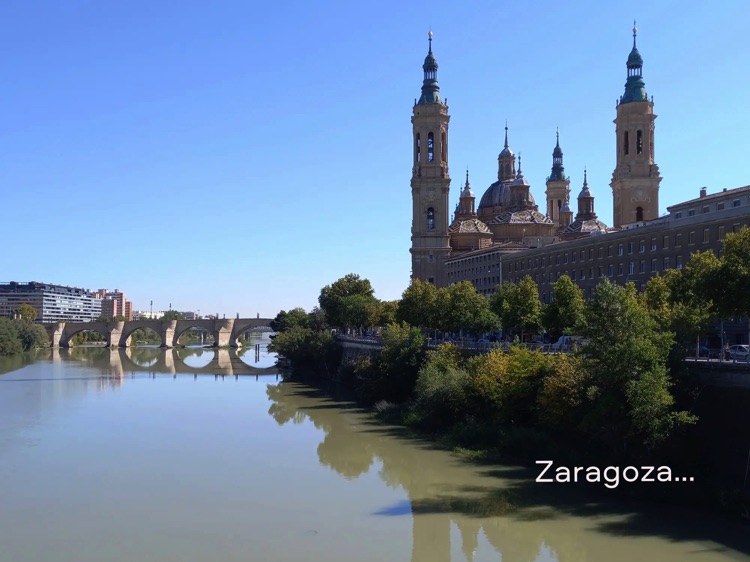
Leaving the capital, the route becomes silent again. Between Arcos de Jalón and Zaragoza, the road runs through semi-desert valleys, where rocks, dry grass, and infinite sky create an essential and powerful landscape. The favorable wind gently pushes us, and cycling becomes meditative, punctuated only by the rustle of wheels and breath.
From Zaragoza to Lleida, the environment becomes more arid, but the charm remains intact. Short, regular climbs alternate with gentle stretches, and in the distance, like a mirage, the Pyrenean peaks appear. The atmosphere changes: the air becomes fresher, the light sharper, and every kilometer tells of the approaching mountains.
Past Lleida, the road begins a decisive ascent toward Oliana, following a route alongside dams and emerald-colored lakes. Fatigue is felt, but it is full and rewarding. The panorama opens onto towering mountains, deep gorges, and silent forests, while the following descent offers an absolute sense of freedom, with the echo of water and the whisper of the wind blending into a perfect symphony.
Finally, we reach Puigcerdà, nestled in the Catalan Pyrenees, just steps from the French border. The lake reflects the clear sky, the colorful houses mirror in the water, and the bicycles rest after hundreds of kilometers of light, silence, and shared memory.
It is the moment when everything pauses: the breath of the wind, the calm of the mountains, the full meaning of the journey. From Ponte da Ajuda to the Pyrenees, every kilometer has told a different story of roads, scents, horizons, and small villages, like pages of a long diary written in motion.
🇪🇸🇫🇷🇮🇹 From Puigcerdà to Ventimiglia – Through the Pyrenees, French Countryside, and the French Riviera
Leaving Puigcerdà 🇪🇸,, the road plunges into the gentle hills of the eastern Pyrenees, where the crisp mountain air and the silence of the pastures accompany the first pedal strokes toward the southeast, heading for France.
The switchbacks soften, the valleys open up, and soon the descent brings us to the Roussillon plain, among rows of vines and olive groves stretching toward Perpignan 🇫🇷.
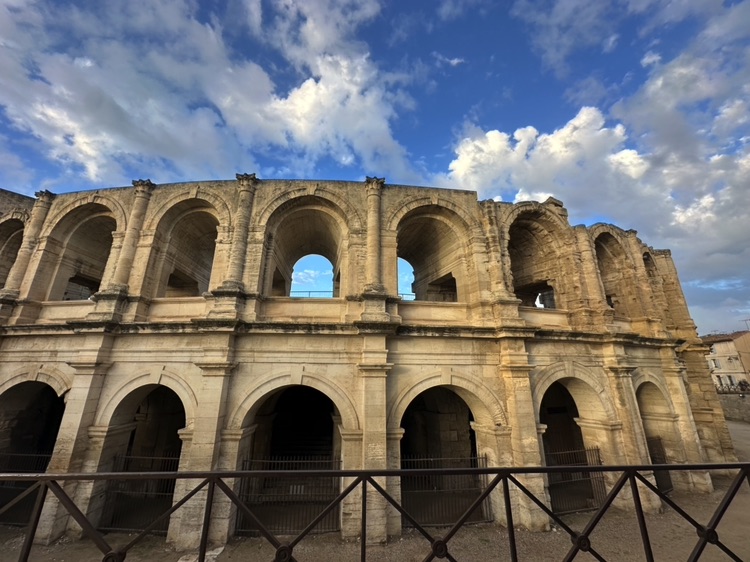
The route continues toward Balaruc-les-Bains and Arles, along flat roads and landscapes alternating between low hills, sleepy villages, and golden expanses. Arles welcomes us with its Roman amphitheater and the atmosphere that inspired Vincent van Gogh: a place where art and light merge, and where the bicycle seems to slow down to breathe in beauty.
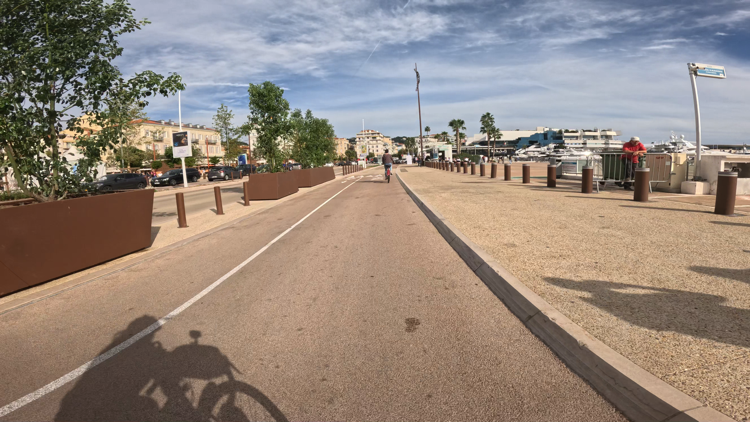
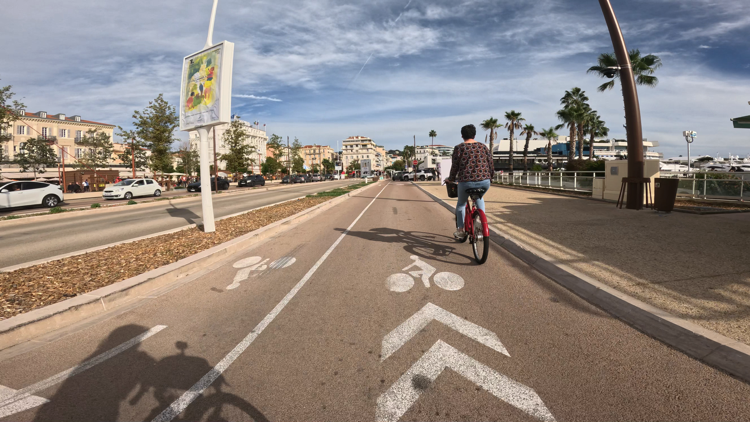
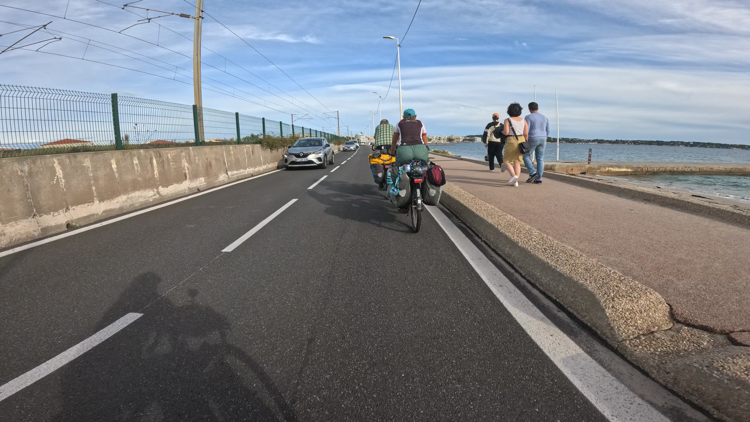
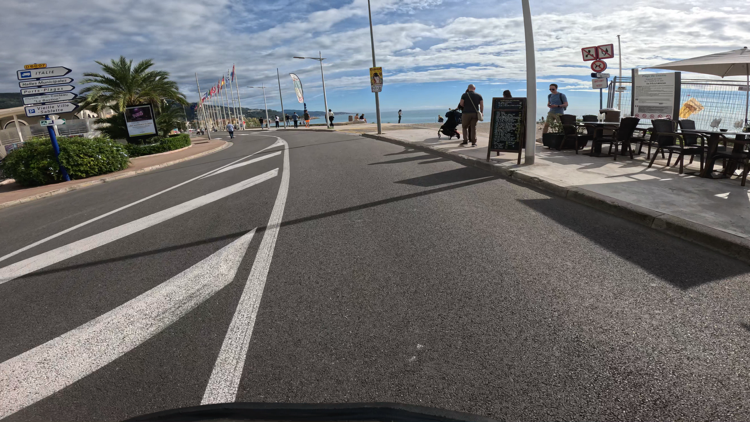
Heading toward Saint-Maximin, the road begins to descend, and the scent of the sea grows stronger. Along the coastal road N98, cycling becomes an open-air dream: sparkling sea on the right, period villas, flowering gardens, and postcard-perfect views unfolding one after another. It is the French Riviera, a symphony of light and color where luxury meets nature.
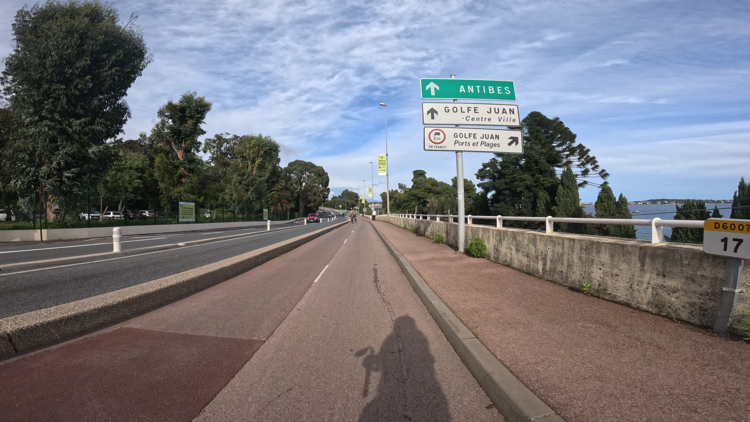
Small stops like Palavas-les-Flots and Sète offer moments of quiet: the smell of salt, the light wind on the face, and time seeming to stand still. Further ahead, Golfe-Juan surprises us with its authenticity: a small fishing port, transparent waters, and endless horizons.
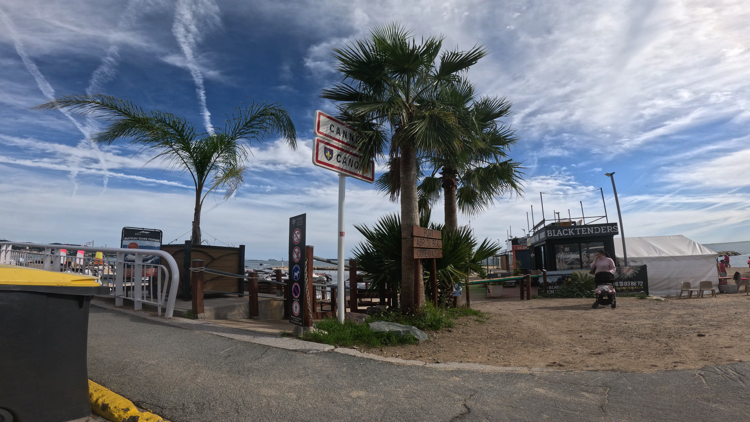
Then comes Cannes, with its timeless elegance. Cycling along La Croisette, among palm trees, red carpets, and the Palais des Festivals, home to the famous Film Festival, feels like stepping onto a movie set: every corner seems lit by spotlights, and the city breathes art, glamour, and cinema history. The bicycles glide lightly, while the scent of the sea and the rustle of the palms guide the eyes among gleaming yachts and luxury boutiques.
Continuing toward Antibes, with its port and Picasso Museum, and Juan-les-Pins, with sandy beaches and a jazz atmosphere, every turn offers postcard views, intense colors, and Mediterranean scents. In Cagnes-sur-Mer, the medieval village dominates from above, immersed in the scent of the sea and lemons.
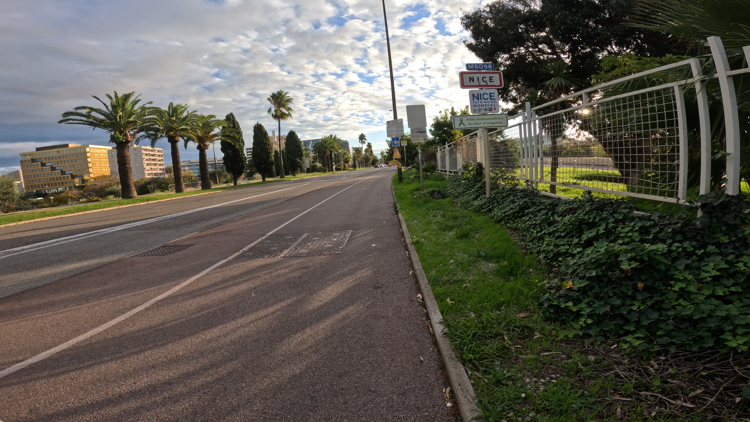
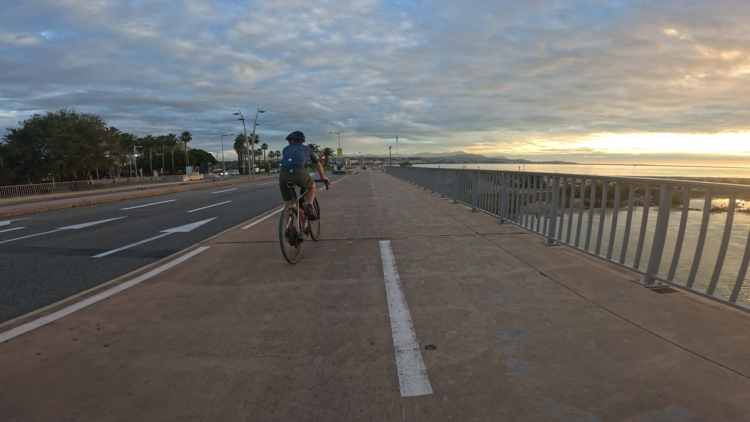
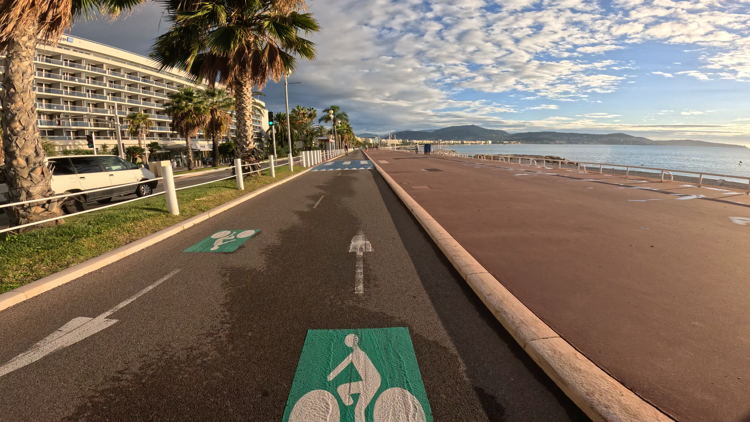
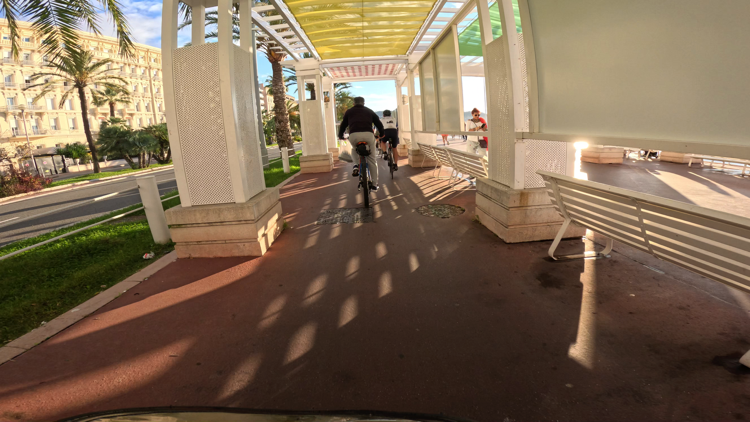
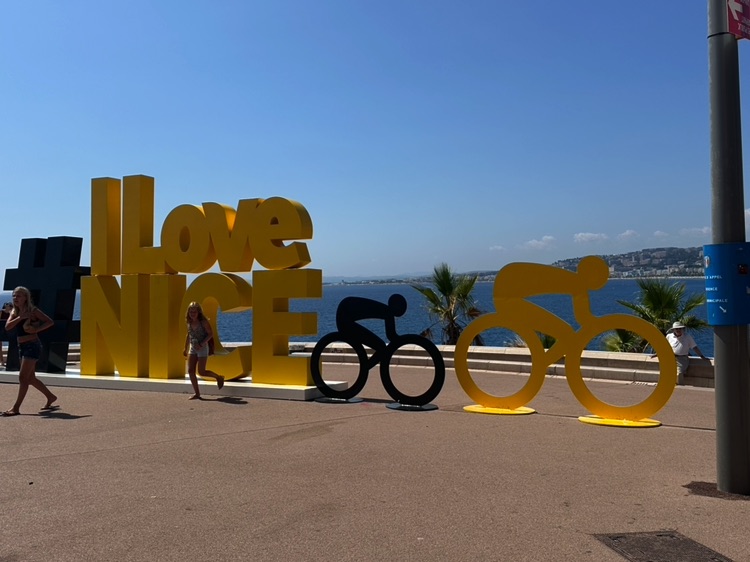
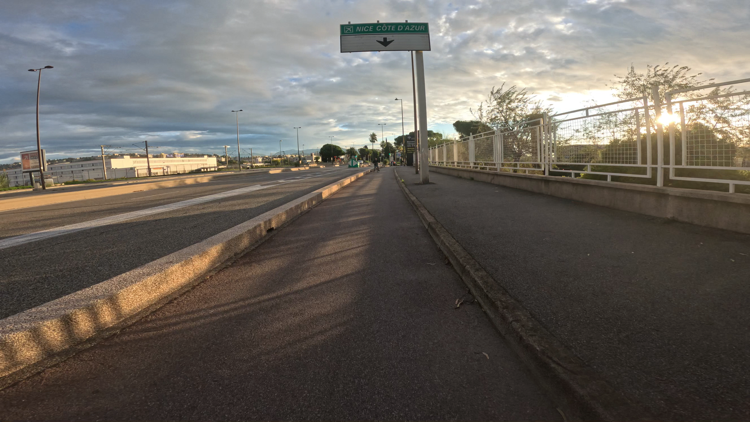
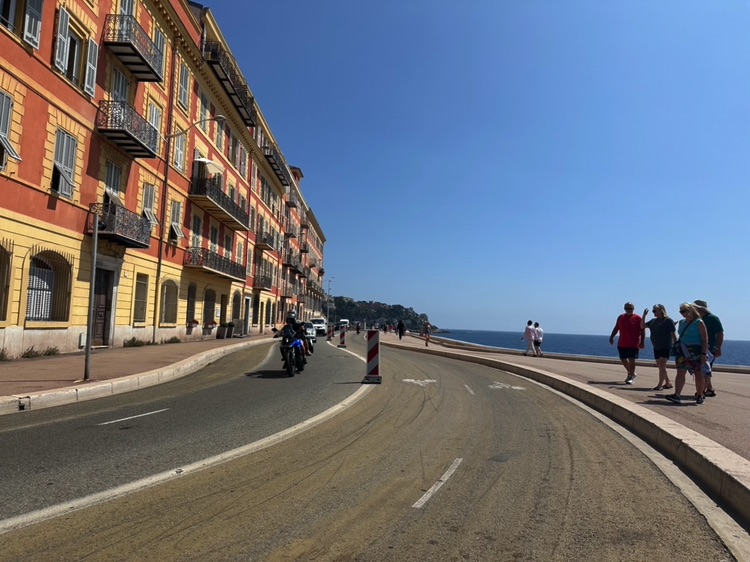
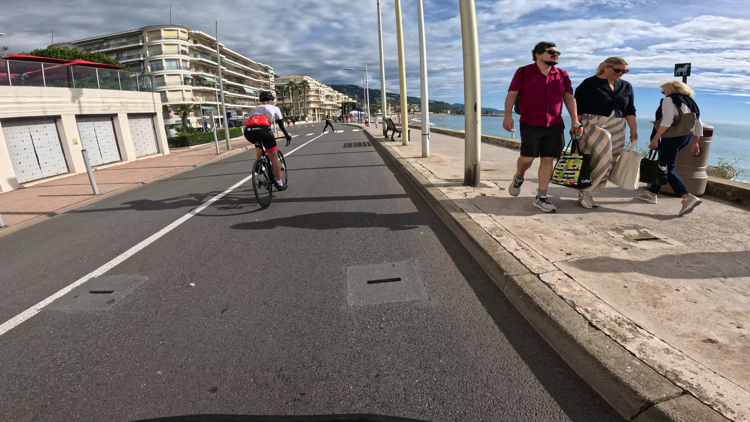
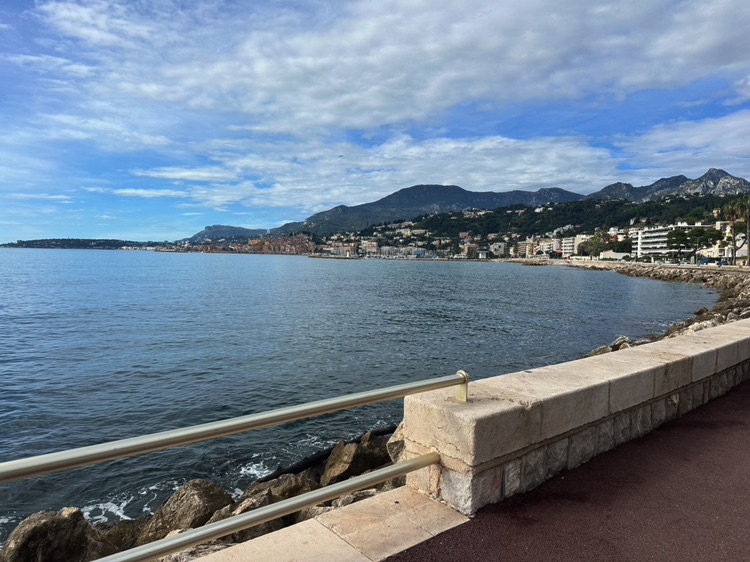
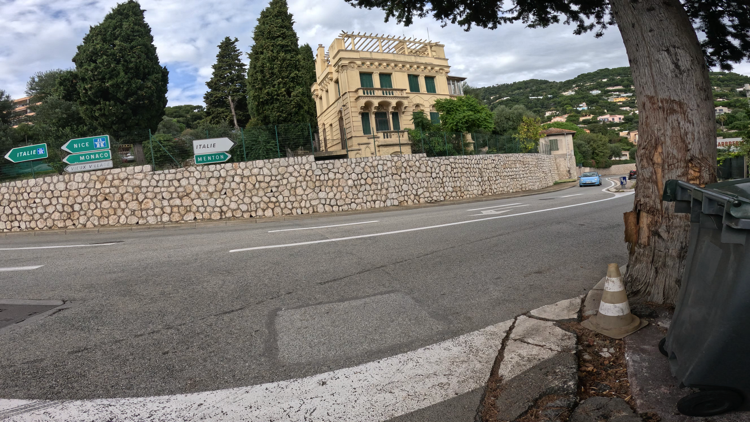
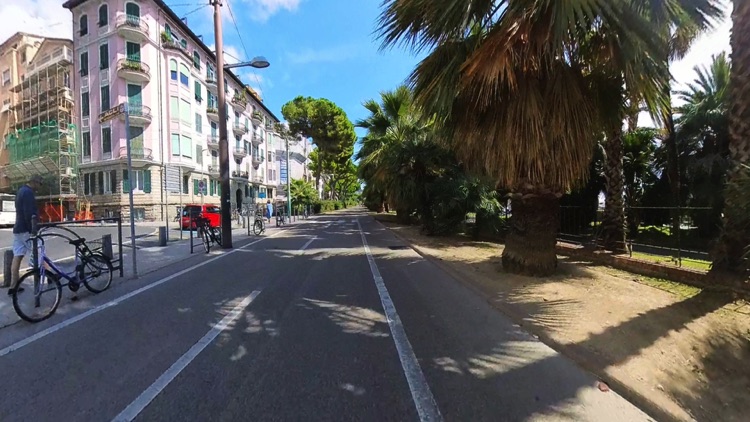
Arriving in Nice, the Promenade des Anglais welcomes us with its energy: pastel-colored buildings, bicycles everywhere, and a Mediterranean light filling the eyes. From here, the journey continues southeast, passing Monaco and Mentone, with gentle curves and spectacular views over the deep blue Mediterranean, where the scent of citrus mingles with the sea breeze.
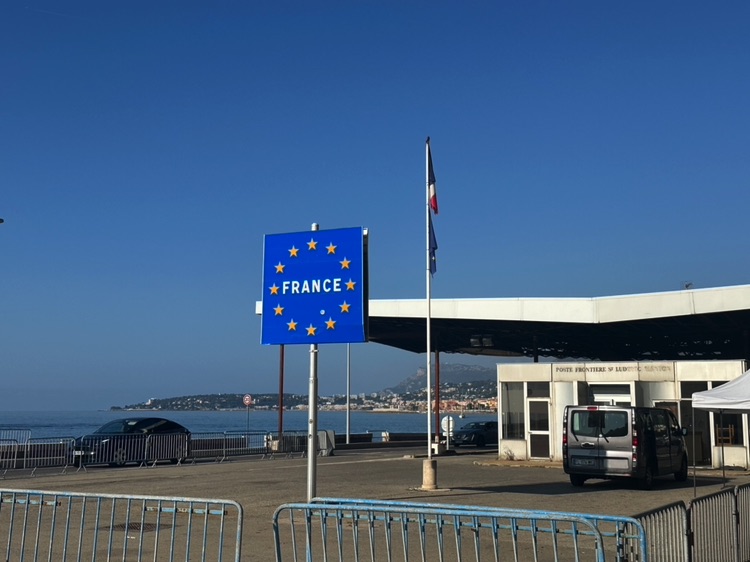
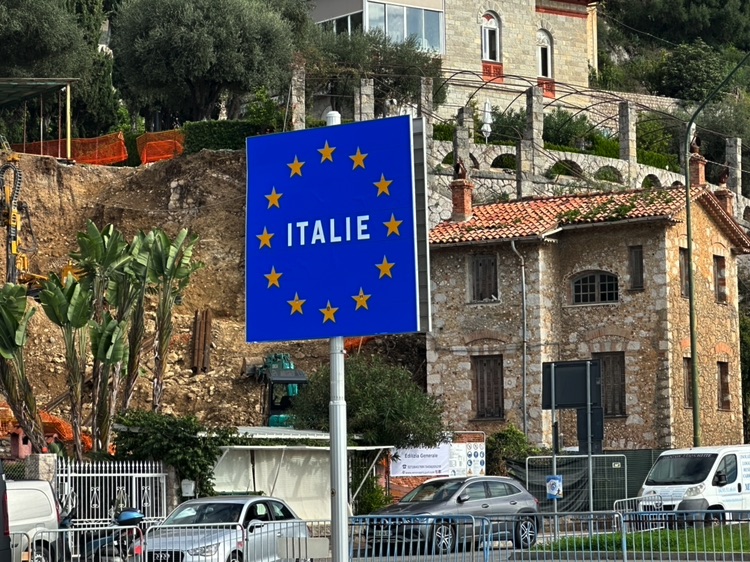
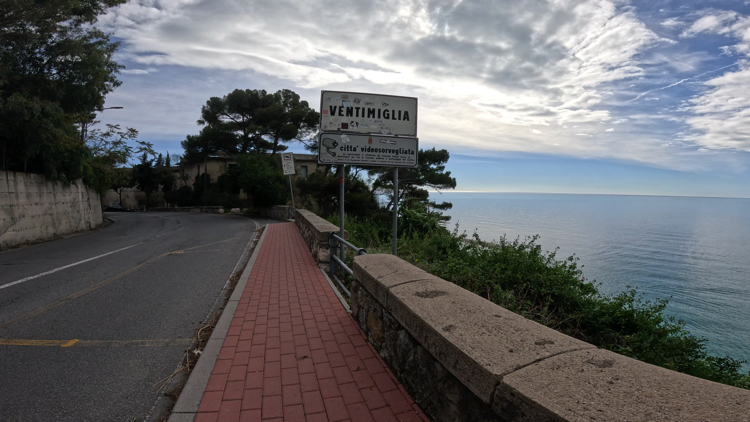
Past Mentone, the border feels almost symbolic: we enter Liguria 🇮🇹. The words change, but not the enchantment. The sea remains the same, the light is that of the South, and the sense of freedom remains alive, as it has accompanied us from the Pyrenees to the border.
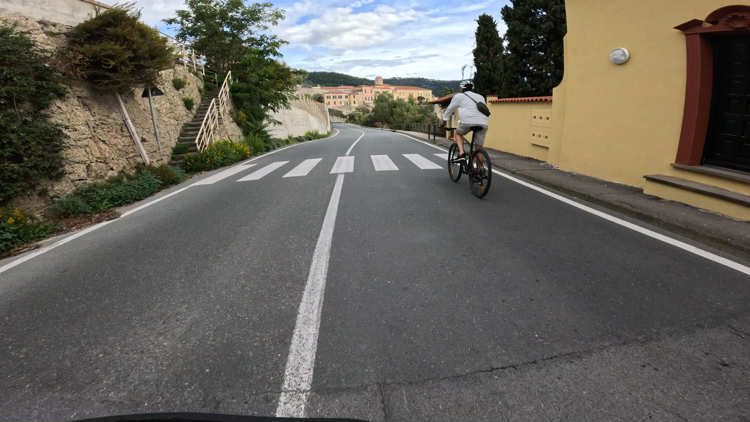
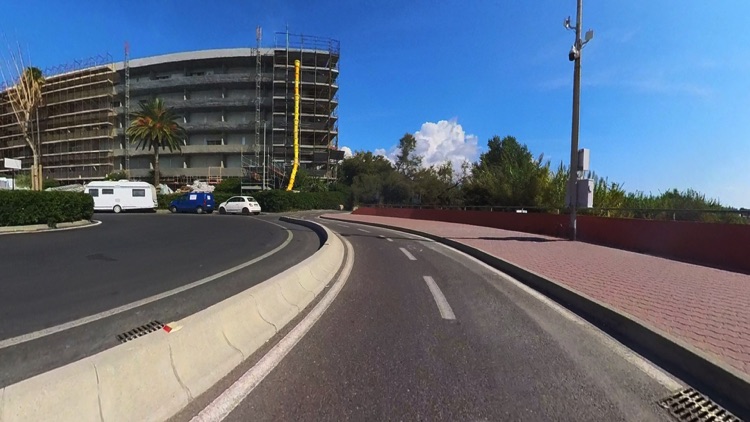
Arriving in Ventimiglia, the first Italian town, the route concludes along the eastern Ligurian coast, between sea and golden beaches. Cycling becomes slow and contemplative: every curve, every wave, and every reflection of light on the water tells the joy of a long journey, through mountains, art, and sea, where every kilometer on two wheels becomes an indelible fragment of Europe.
🇮🇹 Italy – From the Ligurian Riviera to Milan: Returning Home
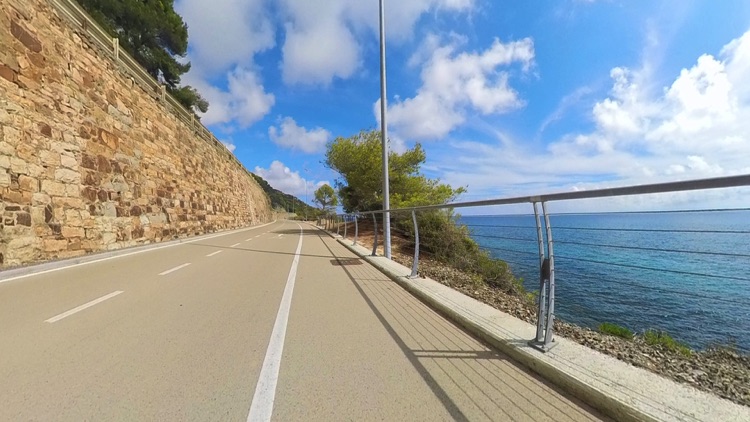
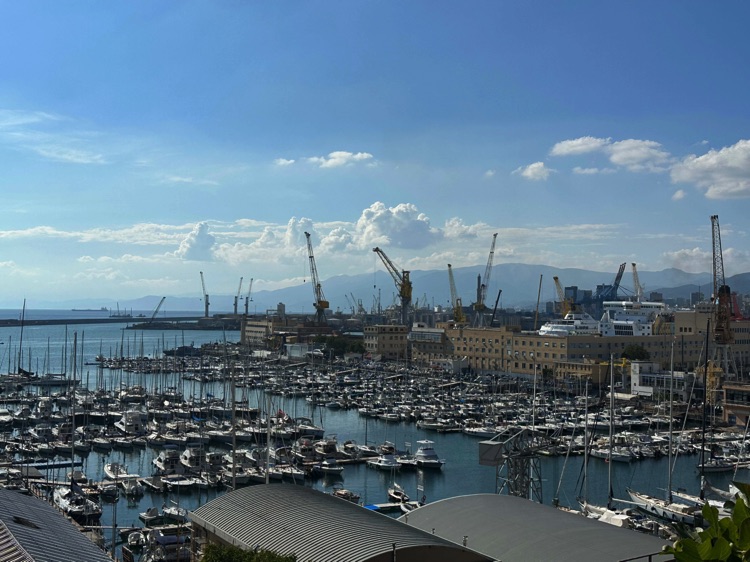
From the Ventimiglia border, we continued cycling along the western Ligurian coast, passing the elegant seaside towns of Sanremo, Imperia, and Savona, where the scent of the sea mingled with that of maritime pines.
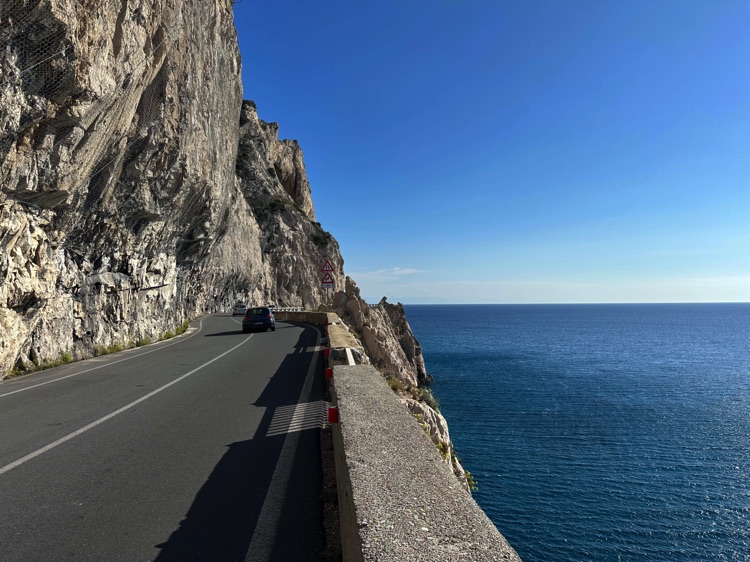
The road ran along cliffs and tunnels carved into the rock, offering spectacular views of the Ligurian Sea and the perched villages that dot the Riviera. The terrain was rolling and smooth, perfect for syncing with the rhythm of the bicycle and the salty scent in the air.
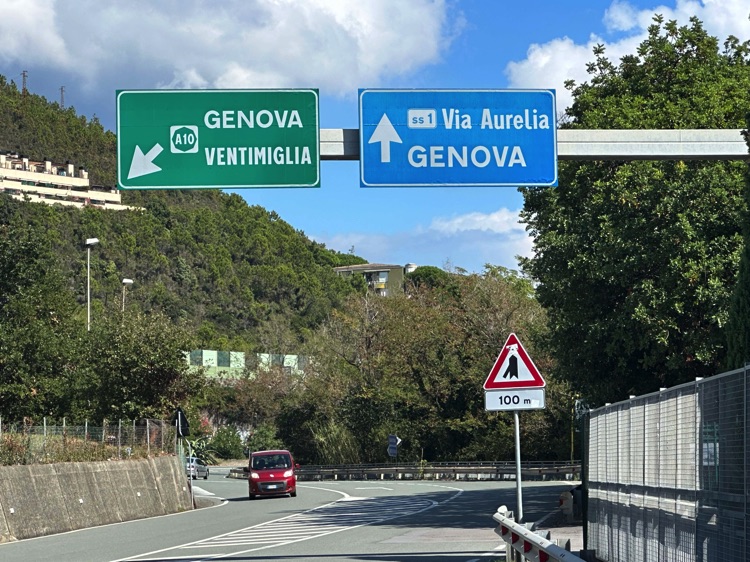
After Varazze, the coastline gradually gave way to the hinterland. Before Genoa, the road began to climb, reaching 500 meters amid woods and small towns of the Ligurian Apennines.
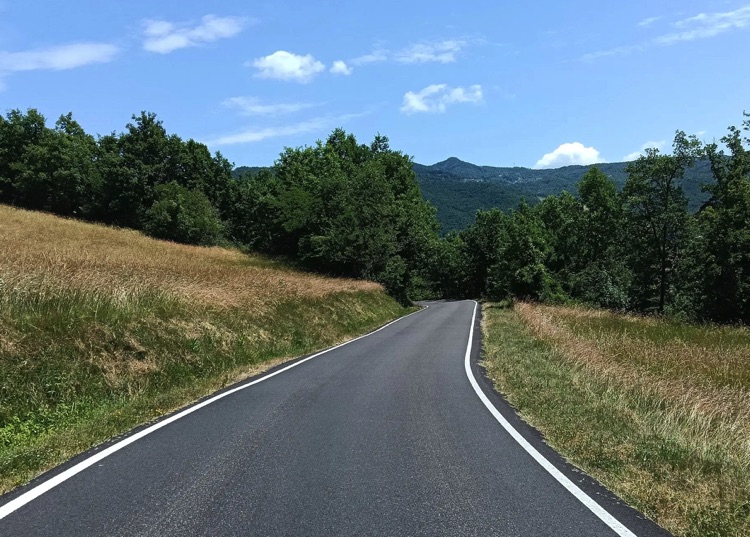
The legs adapted to the gentle but continuous slopes, and from up there the panorama still opened toward the sea, before the long descent toward Ovada, marking the natural border between Liguria and Piedmont.
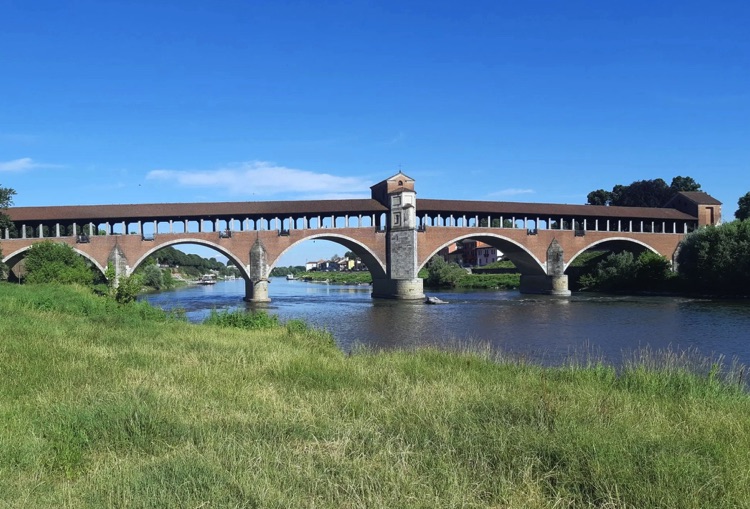
Continuing toward Alessandria and then Pavia, the landscape changed completely: the mountains behind gave way to the plain, dotted with farmhouses, cultivated fields, and rice paddies, typical of lower Piedmont and Oltrepò Pavese. The terrain became flat and even, ideal for letting the wheels roll and enjoying the wind on the face, with a relaxed and meditative cycling rhythm.
Finally, entering Milan brought the emotion of returning home. After so many kilometers and diverse landscapes, the wheels of our bicycles touched again the cobblestones of Piazza del Duomo, right where it all began, closing a great circle across Italy, from the southern seas to the heart of the North. The city’s breath, sounds, and urban scents blended with the memory of the journey, transforming every pedal stroke into an indelible memory.



















📌 Trail Details
• Start & Finish📍: Milan, Italy
• Countries Crossed 🌍 : Italy → Germany → Czech Republic → Denmark → Sweden → Norway → the Netherlands → Belgium → France → Spain → Morocco → Portugal
• Total Distance 🚴: 8,930 km
• Duration 📆 : July 28 – November 6 (120 days, 3 months and 8 days)
• Type of Route: Self-supported, multi-country bike touring
🏔️ Main Mountain Passes
• Stelvio Pass (Italy) – 2,757 m | One of the most iconic climbs in Europe, made famous by the Giro d’Italia. Its 42 hairpin turns climb for 21 km through breathtaking alpine landscapes and high-altitude silence — a challenge that rewards with pure emotions and unforgettable views.
• Resia Pass (Italy/Austria) – 1,504 m | A scenic crossing between Italy and Austria, where the mountains reflect in alpine lakes and the border seems to dissolve into nature.
• Fern Pass (Austria) – Tyrolean Alps | A classic of the Austrian Alps, nestled between the Mieming Range and the Lechtal Mountains. Winding roads, deep silence, and grand panoramas accompany every curve through the green heart of Tyrol.
📌 Route Maps
• Route Map 📍: View Map
• Route Map 📍: Full map of my cycling journeys across Europe
• Photo Gallery 📍: Click on the images to view them in larger format